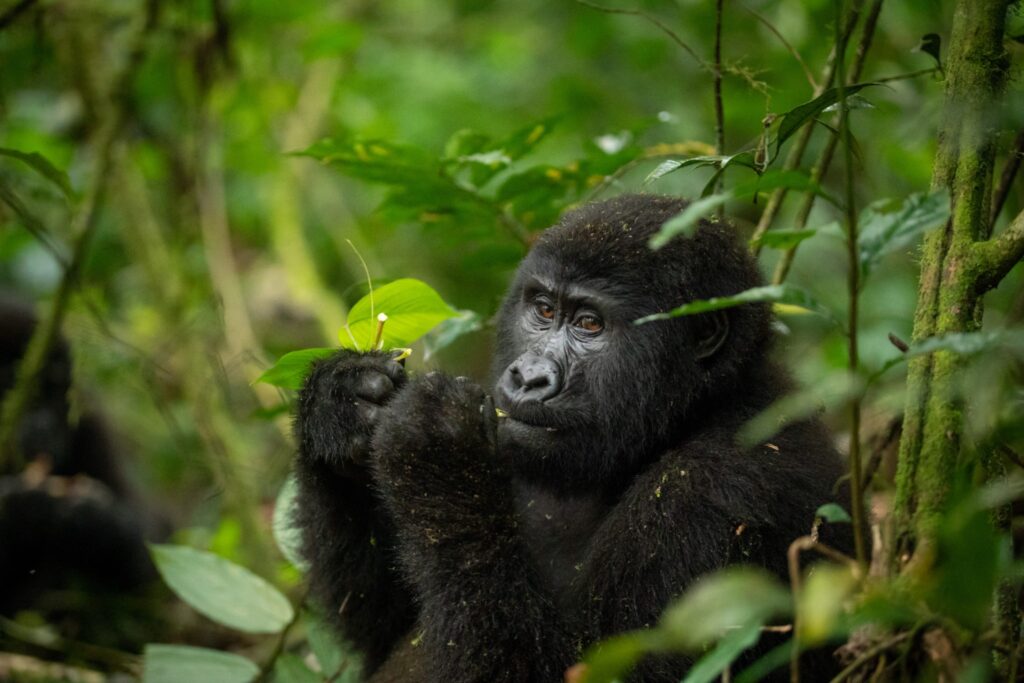
What to Wear Gorilla Trekking: Complete Clothing Guide
Choosing the right clothing for gorilla trekking is not about style. It is about protection, comfort, and mobility in a dense rainforest environment. The terrain includes mud, steep slopes, thick vegetation, and changing weather. What you wear will directly affect how easy or difficult the trek feels.
This guide explains what to wear gorilla trekking in a clear, practical way, using fewer sections and more complete explanations so you can prepare properly without confusion.
Understanding the Environment
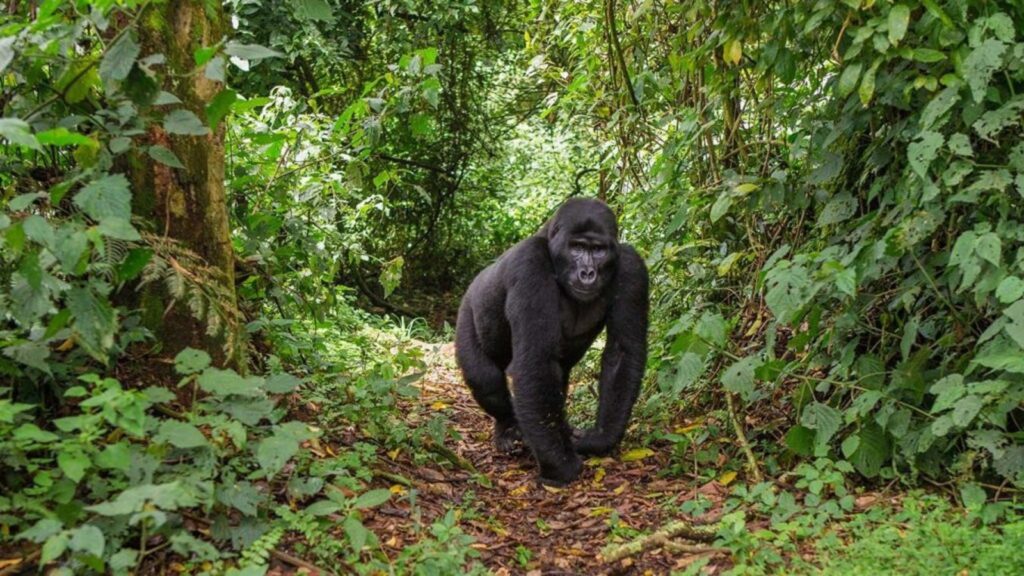
Gorilla trekking takes place in tropical mountain forests such as Bwindi Impenetrable National Park and Volcanoes National Park. These environments remain humid throughout the year. Even in dry months, the ground can feel damp and vegetation stays thick.
You will move through narrow trails, push past branches, and walk on uneven terrain. Rain can start without warning, and temperatures shift between cool mornings and warmer conditions during the hike. Because of this, your clothing must protect your body while allowing flexibility and breathability.
Core Clothing You Should Wear
Upper Body Protection
A long-sleeved shirt is essential. It protects your arms from scratches, insect bites, and contact with stinging plants. The forest is not open space, and you will constantly brush against vegetation.
Choose a lightweight, breathable fabric that dries quickly. Heavy materials trap heat and become uncomfortable as you move. Neutral colors such as green, brown, or beige work best because they blend into the environment and avoid attracting attention.
Lower Body Protection
Long trousers are just as important as your shirt. They protect your legs from cuts, insects, and rough vegetation. Shorts may feel cooler at first, but they leave your skin exposed and quickly become uncomfortable.
Select trousers that allow easy movement without feeling tight. Tucking them into your socks helps prevent insects from entering, especially in dense forest areas.
Footwear That Handles the Terrain
Footwear plays a major role in how comfortable your trek will be. Trails can be muddy, steep, and uneven, so you need strong hiking boots with good grip and ankle support.
Avoid casual shoes or sneakers, as they do not provide enough stability. A proper pair of hiking boots improves balance, reduces the risk of slipping, and supports your feet during long walks.
Make sure your boots are already broken in before the trek to avoid discomfort.
Rain Protection
Even during the dry season, rain can appear quickly. A lightweight waterproof jacket protects you from sudden showers and keeps your body temperature stable.
You do not need a heavy jacket. A simple, packable layer works best and can be stored easily when not in use.
Hand and Head Protection
Gloves help when you need to hold onto branches or move through thick vegetation. They prevent cuts and make it easier to navigate steep or slippery sections.
A hat or cap provides protection from the sun during open sections and helps manage light rain. It also improves overall comfort during the trek.
Extra Items That Improve Comfort
Socks may seem simple, but they make a big difference. Wear long, durable socks that protect your ankles and keep your feet comfortable. Carrying an extra pair helps in case your feet get wet.
Gaiters can add another layer of protection by covering the lower legs and preventing mud, water, and insects from entering your boots. They are especially useful during rainy periods or in dense vegetation.
Layering also helps you adjust to changing temperatures. Mornings can feel cool, but your body warms up quickly once you start walking. Light layers allow you to adapt without discomfort.
What to Avoid Wearing
Bright colors do not suit the forest environment. They draw attention and do not blend well with natural surroundings. Neutral tones remain the best choice.
Heavy clothing creates discomfort, especially in humid conditions. It slows you down and takes longer to dry if wet.
Open shoes or sandals do not provide protection or grip. They increase the risk of injury on uneven ground.
Shorts leave your legs exposed to scratches, insects, and plants, which quickly becomes uncomfortable.
Dressing for Different Conditions
During the dry season, focus on breathable clothing that keeps you cool while still providing protection. Even then, always carry a rain jacket because conditions can change.
In the rainy season, waterproof layers and quick-drying materials become more important. The goal is to stay as dry and comfortable as possible while moving through wet terrain.
Final Practical Advice
Keep your clothing simple and functional. Gorilla trekking does not require complex gear, but it does require the right choices.
Focus on protection, comfort, and movement rather than appearance. When your clothing works with the environment instead of against it, the entire experience becomes easier and more enjoyable.
Conclusion
Understanding what to wear gorilla trekking ensures that you stay comfortable, protected, and fully focused on the experience. Long-sleeved clothing, strong footwear, and light rain protection form the foundation of a good trekking outfit.
The forest environment can be unpredictable, but the right clothing removes most of the discomfort. With proper preparation, you can focus on the moment that matters most—standing face-to-face with mountain gorillas in their natural habitat.