Fitness Requirements for Gorilla Trekking: How Fit Do You Need to Be?
Gorilla trekking is one of Africa’s most rewarding wildlife experiences, but many travelers question whether they are fit enough to take part. The terrain can be steep, the forest dense, and the duration unpredictable. That said, you do not need extreme fitness to complete a trek.
This guide explains the gorilla trekking fitness level in a clear and realistic way. It focuses on what the trek actually feels like, how demanding it can be, and how you can prepare to enjoy the experience comfortably.
What Gorilla Trekking Physically Involves
Walking Through Natural Forest Terrain
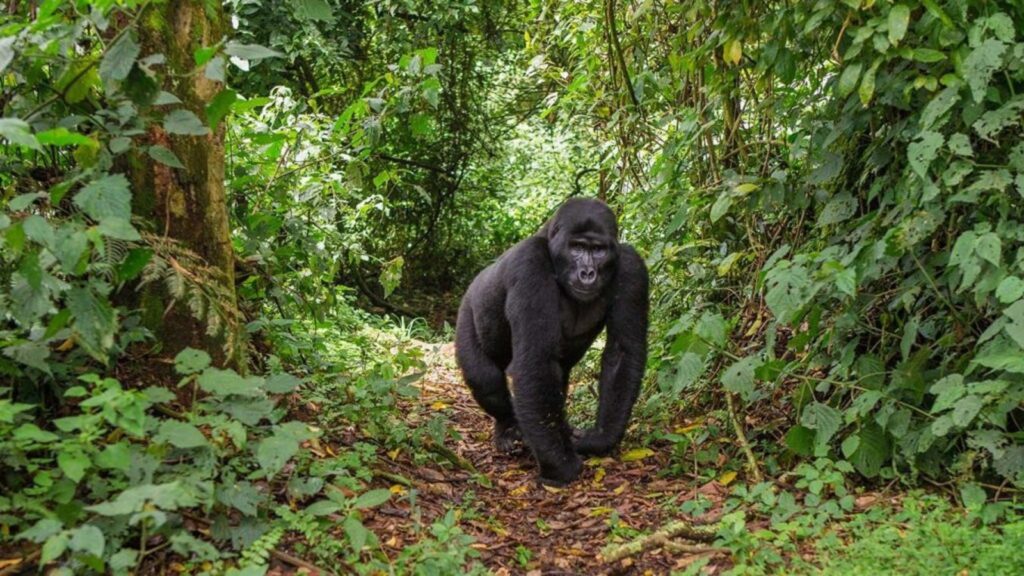
Gorilla trekking takes place in mountain forests such as Bwindi Impenetrable National Park and Volcanoes National Park. The trails are not developed paths. You move through uneven ground, thick vegetation, and natural forest tracks.
The terrain changes constantly. You may walk along gentle slopes, climb hills, descend into valleys, and step over roots and muddy sections. This variation defines the real gorilla trekking fitness level required.
Trek Duration and Uncertainty
There is no fixed duration for a gorilla trek. Some groups find gorillas within one hour, while others take several hours depending on where the gorillas have moved.
This unpredictability means you should be prepared for both short and longer treks. Even a shorter trek can feel demanding due to the terrain and environment.
Altitude and Climate Conditions
Gorilla trekking takes place at moderate to high altitudes. Breathing can feel slightly more difficult during uphill sections, especially if you are not used to elevation.
The forest also feels humid, which can increase fatigue over time. These factors combine to shape the overall trekking effort.
How Fit Do You Need to Be?
Moderate Fitness Is Enough
You do not need to be highly athletic. Most people with average fitness can complete a gorilla trek successfully.
If you can walk for several hours and handle gradual uphill sections, you meet the basic gorilla trekking fitness level required.
Strength and Balance Matter More Than Speed
Trekking is not about moving fast. It is about moving steadily and safely.
Good leg strength helps you climb and descend slopes, while balance helps you navigate uneven ground. These factors make a bigger difference than speed.
Mental Readiness Is Important
The trek can feel unpredictable. You may not know how long it will take or how challenging the route will be.
Staying patient and focused helps you manage the experience. A calm mindset often makes the trek feel easier.
Differences in Trek Difficulty by Destination
Uganda
Uganda offers a more demanding trekking experience. Bwindi has steep hills, thick vegetation, and varied terrain.
Some sectors are easier than others, but overall, Uganda requires a slightly higher gorilla trekking fitness level.
Rwanda
Rwanda offers a more accessible trekking environment. The terrain includes bamboo forest and more open slopes, which feel easier to navigate.
This makes Rwanda a strong option for travelers who prefer a less physically demanding trek.
DRC
The terrain in the DRC varies by location. Some areas feel similar to Rwanda, while others require more effort. Travel logistics may also add to the overall experience.
How the Trek Is Adjusted to Your Fitness
Group Allocation
Before trekking begins, guides assign groups based on fitness levels. Travelers who request easier treks are usually placed in groups tracking gorillas located closer to the starting point.
This system helps match the gorilla trekking fitness level to your ability.
Guided Pace and Breaks
Guides control the pace and allow regular breaks. You are not expected to rush or keep up with a fixed speed.
The goal is to reach the gorillas comfortably, not quickly.
How to Prepare for Gorilla Trekking
Build Walking Endurance
Regular walking is one of the best ways to prepare. Aim for walks lasting one to two hours several times a week.
This improves stamina and helps your body adjust to sustained activity.
Strengthen Your Legs
Exercises such as stair climbing, squats, and lunges help prepare your muscles for uphill and downhill movement.
Stronger legs reduce fatigue during the trek.
Improve Balance
Walking on uneven surfaces or trails helps improve balance. This makes it easier to handle slippery or irregular ground.
Get Comfortable Outdoors
Spending time outdoors in warm conditions helps your body adapt to humidity and natural environments.
Practical Ways to Make the Trek Easier
Hire a Porter
Porters assist by carrying your bag and helping you through difficult sections. This reduces physical strain and makes the trek more manageable.
Use a Walking Stick
A walking stick improves stability and reduces pressure on your knees, especially on steep terrain.
Move at Your Own Pace
Taking your time conserves energy. A steady pace helps you complete the trek comfortably.
Common Fitness Concerns
“I Am Not Very Fit”
Many travelers feel this way, but most still complete the trek successfully with proper pacing and support.
“I Am Older”
Age alone does not prevent participation. Many older travelers complete gorilla trekking without difficulty when they prepare properly.
“I Am Worried About Steep Terrain”
You can request a less demanding trek. Guides will consider your comfort level during group allocation.
When Fitness May Be a Limitation
Health Conditions
Travelers with serious medical conditions should consult a doctor before planning a trek.
Very Low Fitness Levels
If you struggle with basic walking or short hikes, you may find the trek challenging. Preparing in advance becomes important in this case.
Conclusion
The required gorilla trekking fitness level is moderate. You need basic endurance, reasonable strength, and the ability to walk on uneven terrain for several hours.
Uganda offers more physically demanding routes, while Rwanda provides easier conditions. Guides adjust the experience, and support options like porters make the trek accessible to a wide range of travelers.
With simple preparation and the right mindset, most people can complete a gorilla trek and enjoy one of Africa’s most unforgettable wildlife experiences.