How to Save Mountain Gorillas
Saving mountain gorillas requires constant effort, long-term planning, and shared responsibility between governments, conservationists, local communities, and visitors. These great apes survive in a very limited range, and even small disruptions can threaten their future. Their recovery so far proves that conservation works, but it also shows how fragile that success remains.
Protecting mountain gorillas means protecting their forests, reducing human pressure, and ensuring that conservation benefits the people who live alongside them.
Protecting and Expanding Gorilla Habitat
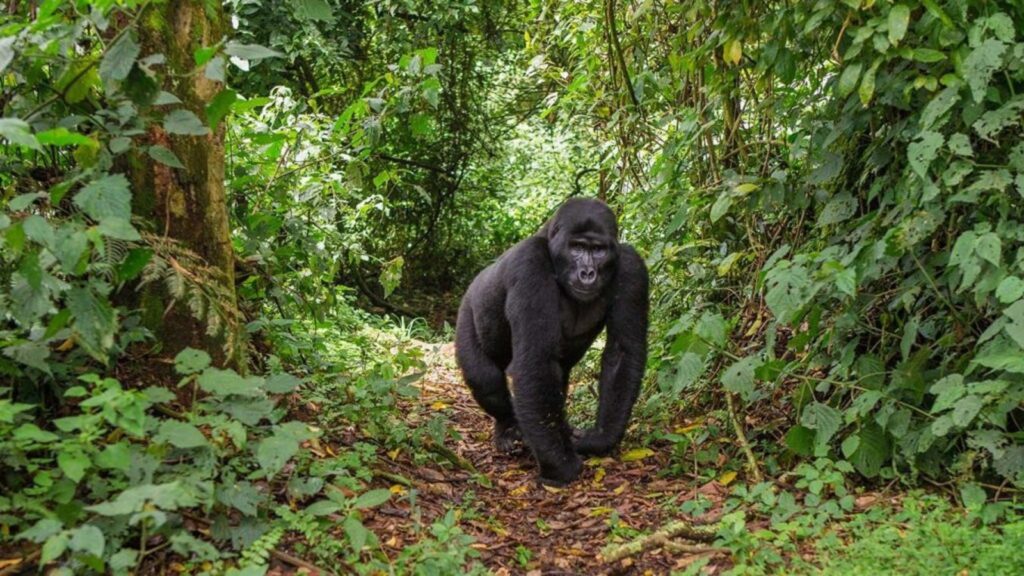
Habitat protection remains the foundation of mountain gorilla survival. Mountain gorillas depend on dense, high-altitude forests for food, shelter, and social stability. When forests shrink, gorilla groups face food shortages and increased stress.
Governments and conservation organizations protect gorilla habitats by establishing national parks and enforcing land-use boundaries. Buffer zones help reduce human-wildlife conflict by separating farming areas from gorilla ranges. Reforestation projects also restore degraded forest edges and improve food availability.
Without intact forests, no other conservation effort can succeed.
Strengthening Anti-Poaching Efforts
Poaching poses a serious threat to mountain gorillas, even when hunters target other animals. Snares set for antelope often injure or kill gorillas unintentionally. Strong anti-poaching patrols reduce this risk.
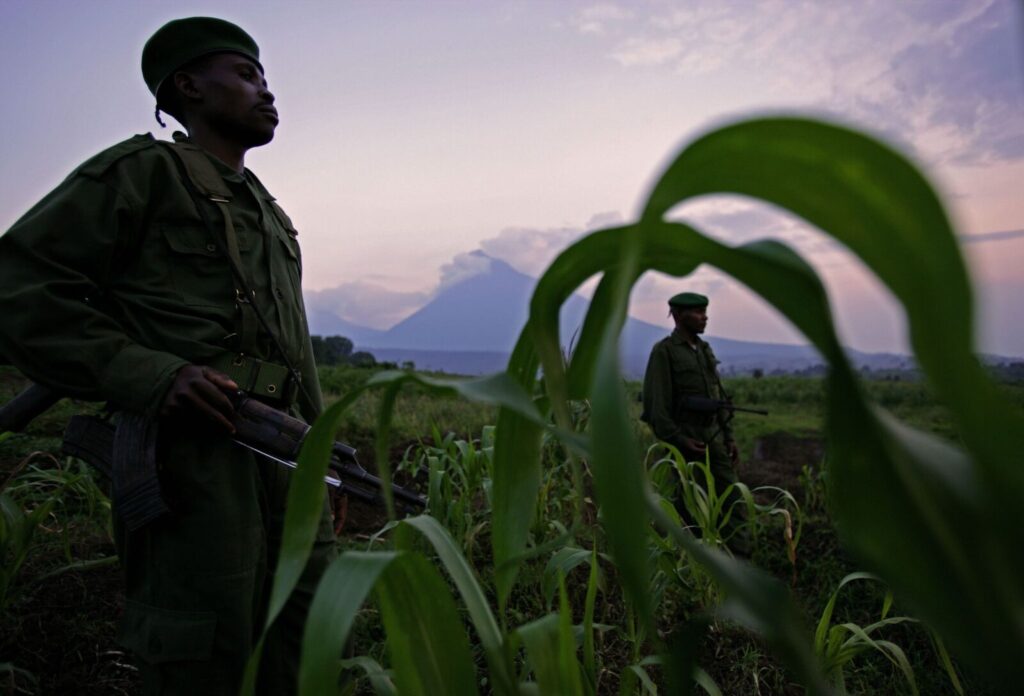
Well-trained rangers patrol forests daily, remove snares, and monitor gorilla movements. Their presence deters illegal activities such as logging and charcoal burning. Providing rangers with proper equipment, training, and fair wages improves their effectiveness and safety.
Every snare removed saves not just gorillas, but many other forest species.
Preventing Disease Transmission
Mountain gorillas share much of their genetic makeup with humans, which makes them vulnerable to human diseases. Respiratory infections pose one of the greatest risks to their survival.
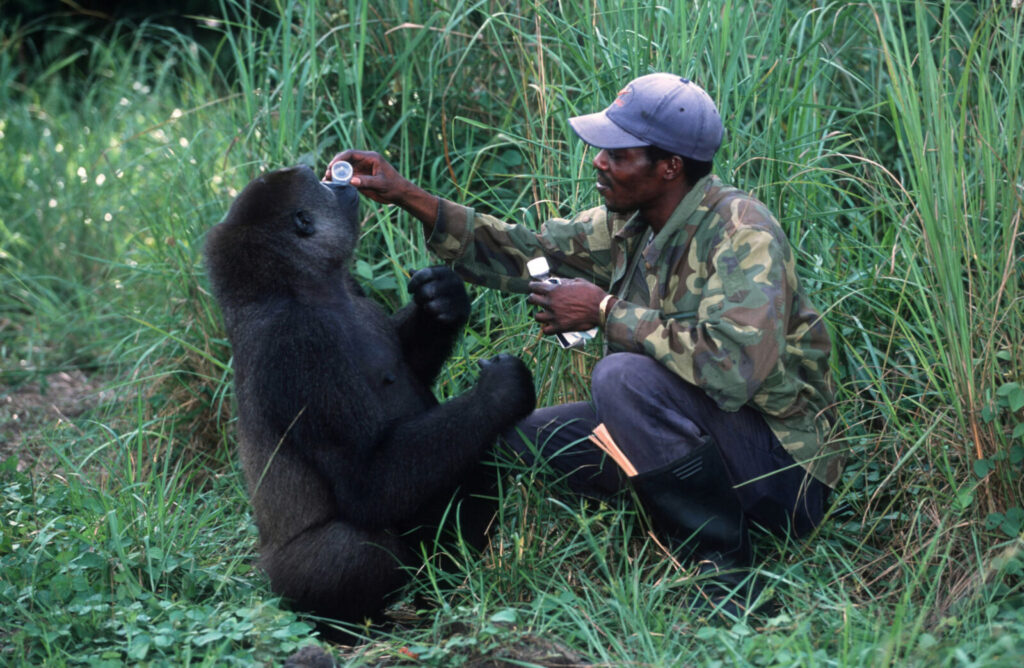
Strict health rules protect gorillas from illness. Trekking regulations require visitors to keep distance, limit group size, and avoid visits when sick. Veterinary teams monitor gorilla health and respond quickly to injuries or disease outbreaks.
Reducing human contact lowers the chance of epidemics that could wipe out entire gorilla families.
Supporting Community-Based Conservation
Local communities play a critical role in saving mountain gorillas. When people benefit from conservation, they protect wildlife rather than exploit it.
Revenue from gorilla tourism supports schools, health centers, clean water projects, and employment opportunities. Community members work as guides, porters, trackers, and lodge staff. These benefits reduce reliance on forest resources and build pride in gorilla protection.
When communities see gorillas as valuable living assets, conservation becomes sustainable.
Promoting Responsible Gorilla Tourism
Responsible tourism provides one of the strongest financial lifelines for mountain gorilla conservation. Gorilla trekking generates funds that support park management, ranger salaries, and veterinary programs.
Strict tourism rules limit daily visitors and control trekking behavior. These measures reduce stress on gorillas and preserve natural behavior. Tour operators who follow ethical guidelines help ensure that tourism strengthens conservation rather than harming it.
Choosing responsible travel directly contributes to gorilla survival.
Supporting Research and Monitoring
Ongoing research helps conservationists understand gorilla behavior, health, and population trends. Long-term monitoring allows early detection of threats and informs management decisions.
Researchers track births, deaths, group movements, and genetic diversity. This information helps maintain stable populations and guides future conservation strategies. Data sharing across borders strengthens regional protection efforts.
Knowledge remains one of the most powerful tools in conservation.
Enforcing Strong Wildlife Laws
Effective wildlife laws protect mountain gorillas from exploitation. Governments enforce penalties for poaching, illegal trade, and habitat destruction. Strong legal frameworks discourage wildlife crime and support conservation enforcement.
International cooperation also plays a role. Cross-border collaboration helps protect gorillas that move between countries. Shared intelligence and joint patrols improve overall protection.
Law enforcement creates accountability and long-term security.
Plan Your Stay
Visiting mountain gorillas responsibly supports every conservation effort mentioned above. Gorilla trekking permits fund habitat protection, ranger patrols, veterinary care, and community projects.
Travelers should book permits early, follow trekking guidelines strictly, and choose operators committed to conservation and local partnerships. Proper preparation ensures safe encounters and minimizes stress on gorillas.
A well-planned visit allows you to experience mountain gorillas in the wild while directly contributing to their survival for future generations.