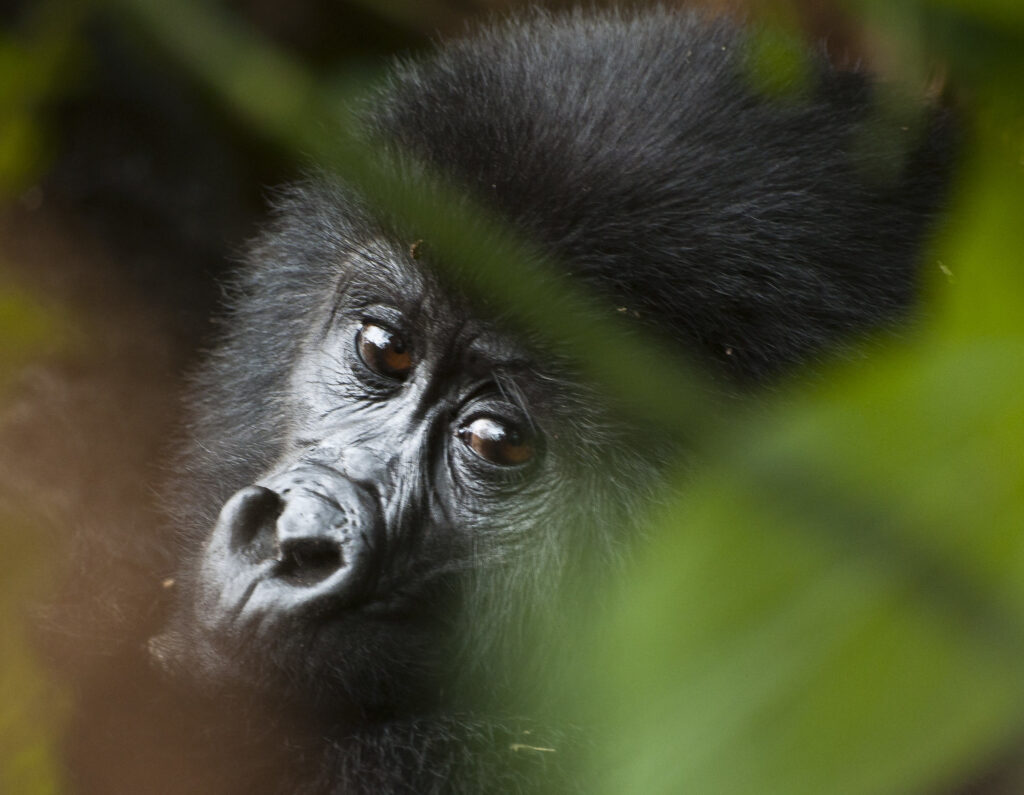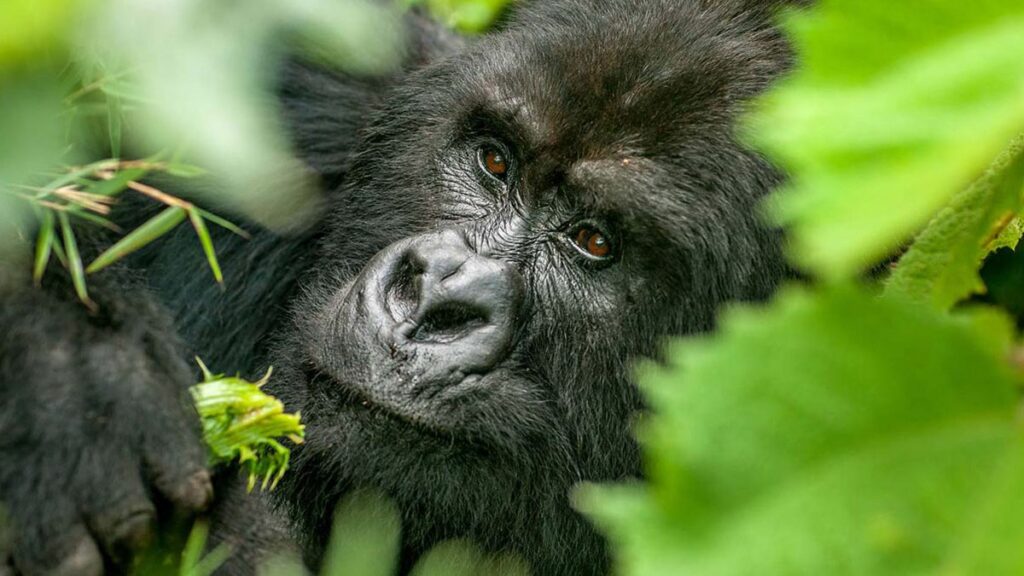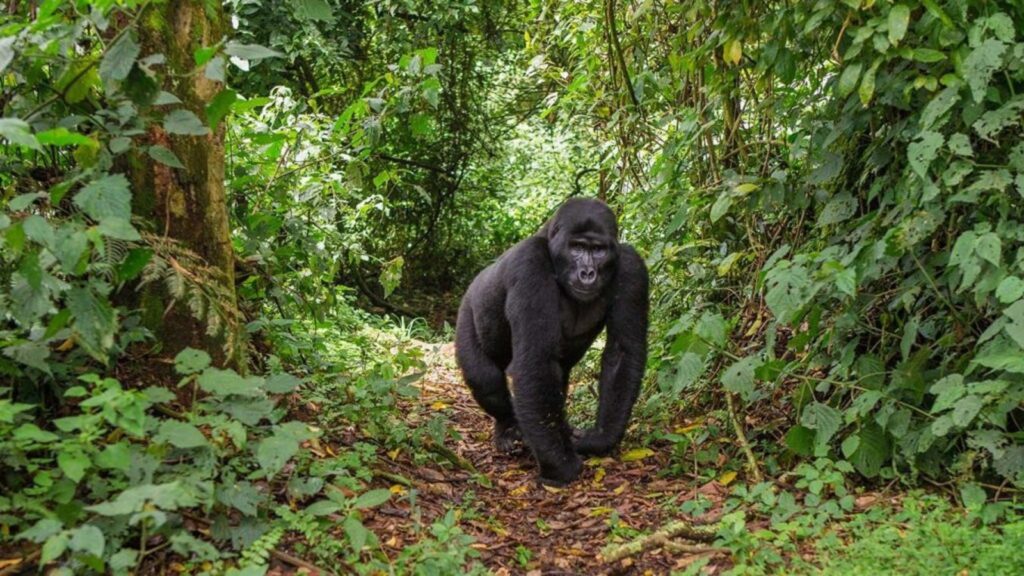
Do Gorillas Live in Africa?
Yes, gorillas live only in Africa. They do not exist naturally anywhere else in the world. Every wild gorilla population inhabits forests within the African continent, and their entire evolutionary history connects directly to Africa’s tropical and montane ecosystems.
To understand this clearly, it helps to look at where gorillas live, how their habitats differ, and why Africa remains their only home.
Africa as the Natural Home of Gorillas
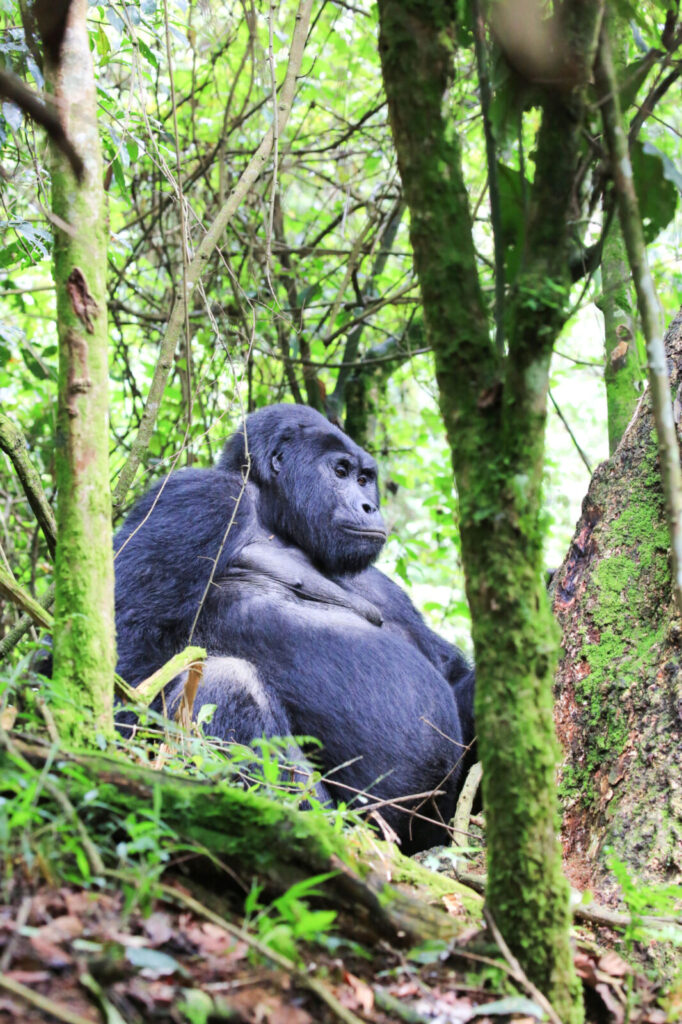
Gorillas evolved in Africa over millions of years. Dense rainforests, volcanic mountain ranges, and lowland basins provided the food and shelter they needed to survive and grow. These environments shaped their size, diet, and social behavior.
Because of this long evolutionary link, gorillas never migrated to other continents. Oceans, climate barriers, and habitat specialization kept them confined to Africa. Today, every wild gorilla still lives within a narrow band of Central and East Africa.
Regions in Africa Where Gorillas Live
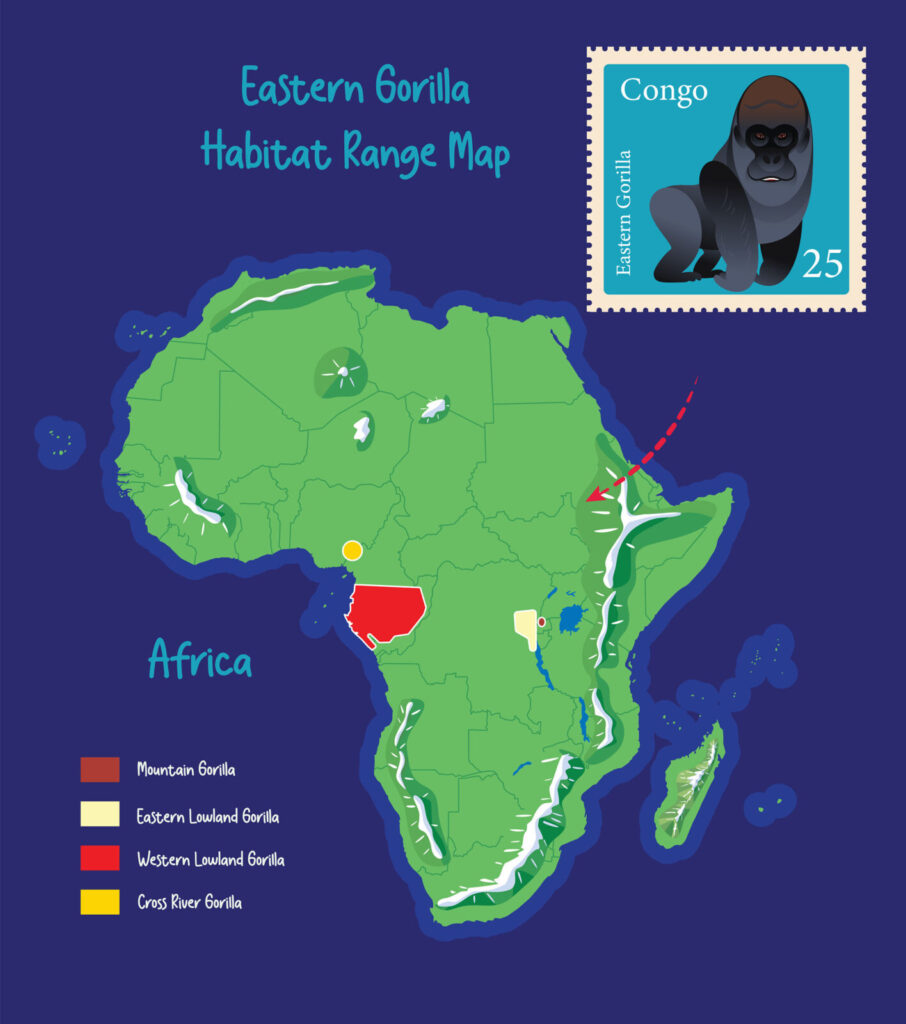
Gorillas occupy forested regions across Central and East Africa. These areas stretch from lowland rainforests near the Atlantic coast to high-altitude volcanic mountains in the east.
In Central Africa, gorillas live in countries such as the Democratic Republic of Congo, Republic of Congo, Gabon, Cameroon, and Central African Republic. These regions support vast lowland rainforests with year-round food availability.
In East Africa, gorillas live in Uganda, Rwanda, and eastern Democratic Republic of Congo. Here, forests sit at higher elevations with cooler temperatures and steeper terrain.
Gorilla Species Found in Africa
Africa hosts two main gorilla species, each adapted to different environments.
Eastern gorillas live in East and Central Africa. This group includes mountain gorillas and Grauer’s gorillas. They occupy highland forests and eastern lowland regions where vegetation grows thick and varied.
Western gorillas live in Central and West Africa. This group includes western lowland gorillas and the rare Cross River gorillas. They thrive in dense tropical rainforests with wide-ranging feeding routes.
Each species remains restricted to Africa and depends on forest ecosystems found nowhere else.
Why Gorillas Do Not Live Outside Africa
Gorillas depend on specific vegetation types, climate conditions, and forest structures. These requirements exist naturally only in African ecosystems. Other continents lack the combination of altitude, plant diversity, and climate that gorillas need.
Human history also plays a role. By the time humans began moving animals across continents, gorillas already faced population pressures. Modern conservation laws now protect them from relocation or captivity outside controlled environments.
Human Impact on Gorilla Habitat in Africa
Although gorillas live only in Africa, their range continues to shrink. Deforestation, agriculture, mining, and population growth reduce available forest space. Civil conflict in some regions also disrupts conservation efforts.
Protected areas such as national parks and reserves now play a critical role. These spaces allow gorillas to live with minimal disturbance while supporting scientific research and ecotourism.
Why Gorilla Tourism Focuses on Africa
Because gorillas live only in Africa, wildlife tourism for gorilla trekking exists exclusively on the continent. Countries such as Uganda, Rwanda, and Congo manage tightly controlled trekking programs that protect gorillas while allowing limited human access.
Tourism revenue funds ranger protection, veterinary care, and community development. This model links gorilla survival directly to African conservation leadership.
Plan Your Stay
Seeing gorillas in the wild means traveling to Africa and visiting protected forest regions. Planning involves choosing the right country, securing permits early, and preparing for forest trekking conditions.
Responsible travel supports conservation and local communities. With proper planning, visitors gain a rare opportunity to observe one of Africa’s most iconic species while contributing to its long-term survival.