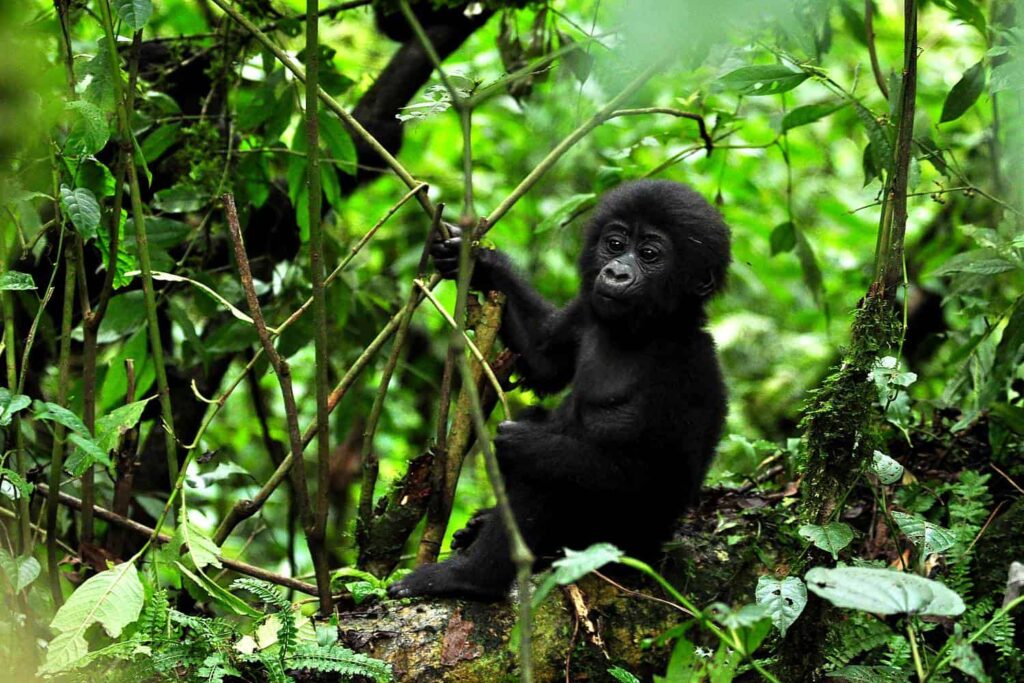
Why Is Gorilla Trekking So Expensive?
Gorilla trekking is often described as one of the most expensive wildlife experiences in Africa—and that price tag is intentional. The cost reflects strict conservation needs, limited access to endangered animals, and the intensive effort required to protect gorillas and their habitats. When you understand where the money goes, the value becomes clearer.
1. Gorilla Trekking Funds Conservation Directly
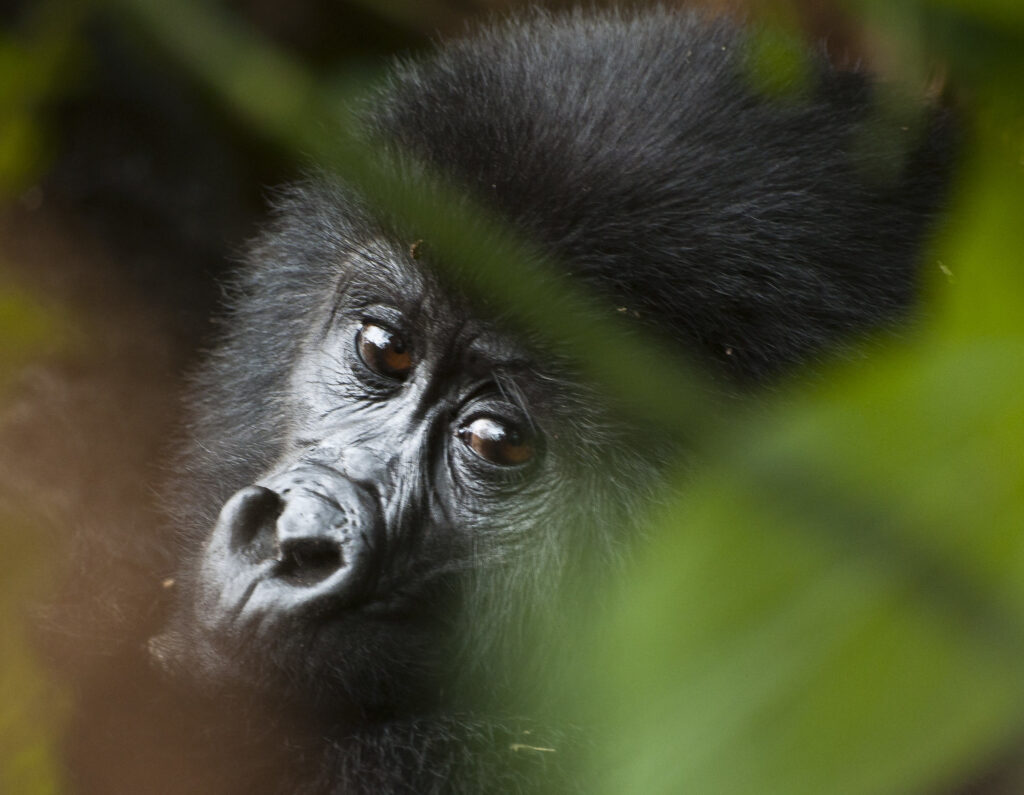
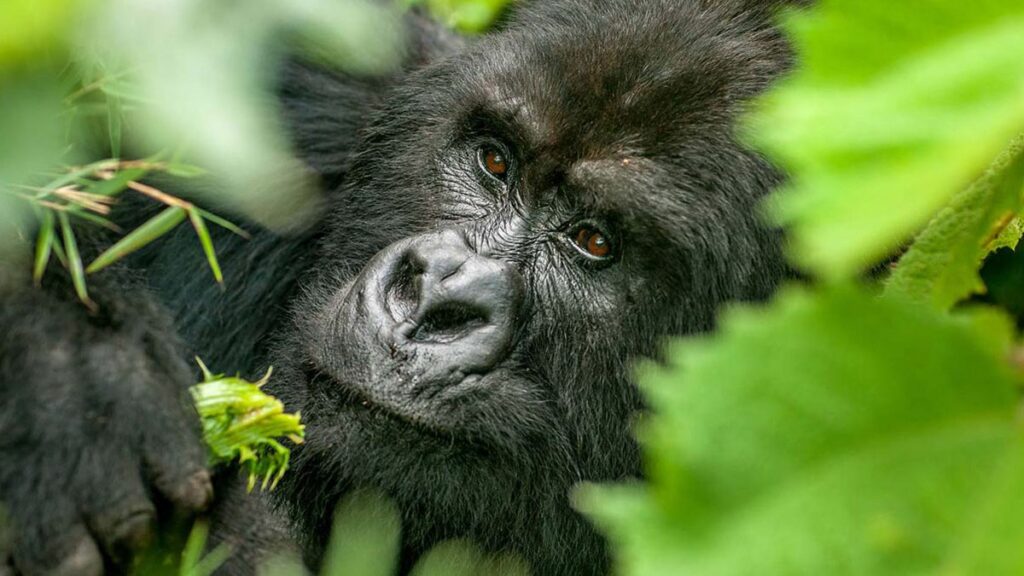
Mountain gorillas are critically endangered and require round-the-clock protection. Permit fees fund anti-poaching patrols, veterinary interventions, habitat protection, and scientific monitoring. In Uganda, Rwanda, and Congo, specialized teams track gorilla families daily to ensure their safety and health.
In Uganda, these efforts are coordinated by the Uganda Wildlife Authority, while Rwanda manages conservation through its national park authority. Without high permit fees, these long-term protection systems would not be sustainable.
2. Strictly Limited Permits to Protect Gorillas
Only a small number of people are allowed to visit each gorilla family per day—usually a maximum of eight trekkers. This limit reduces stress, disease transmission, and behavioral disruption.
Because access is intentionally restricted, demand exceeds supply. High prices help control visitor numbers while ensuring that conservation funding remains strong even with limited tourism.
3. High Cost of Gorilla Protection and Monitoring
Gorillas are monitored every single day by trained trackers and rangers, even when no tourists are present. These teams locate gorilla families at dawn, assess their movements, and prepare safe trekking routes.
Veterinary teams stand by to intervene if a gorilla is injured or sick, especially from human-transmitted illnesses. This level of care is rare in wildlife conservation and comes with high operational costs.
4. Local Communities Benefit from Permit Fees
A portion of gorilla trekking revenue is shared with surrounding communities. This supports schools, health centers, clean water projects, and employment. By ensuring communities benefit directly from conservation, gorilla habitats are better protected from encroachment and conflict.
This revenue-sharing model has been a key factor in the survival and slow recovery of mountain gorilla populations.
5. Highly Trained Guides and Rangers
Every gorilla trek is led by professional guides and armed rangers trained in wildlife behavior, first aid, and visitor safety. Their expertise ensures that encounters remain safe for both humans and gorillas.
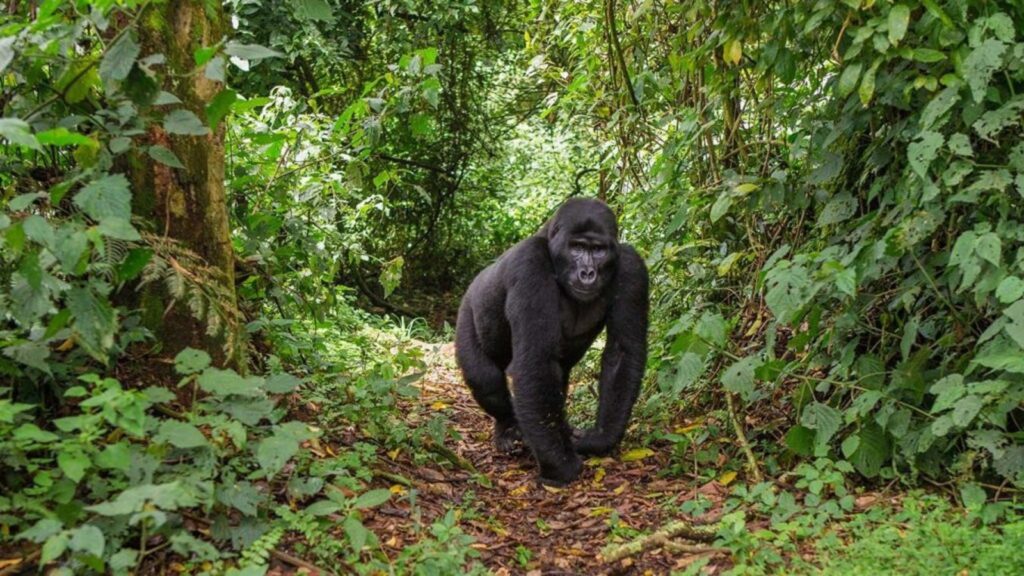
These teams operate in difficult terrain such as Bwindi Impenetrable National Park and Volcanoes National Park, where steep slopes and dense forest demand skill and experience.
6. Infrastructure in Remote Forest Regions
Gorilla parks are located in remote, mountainous areas with limited infrastructure. Roads, ranger posts, monitoring stations, and park facilities must be built and maintained in challenging environments. These logistical realities significantly increase operational costs.
Permit fees help maintain this infrastructure without relying solely on external donors.
7. Long-Term Survival Over Short-Term Tourism
Unlike mass tourism, gorilla trekking follows a low-volume, high-value model. The goal is not to bring in as many tourists as possible, but to protect gorillas over decades. High prices discourage irresponsible tourism while attracting travelers who value conservation and are willing to follow strict rules.
This approach has helped mountain gorilla numbers slowly increase over time.
Is Gorilla Trekking Worth the Cost?
For many travelers, gorilla trekking is a once-in-a-lifetime experience. Standing a few meters from a wild gorilla family in their natural habitat is deeply emotional and unforgettable. Beyond the experience itself, trekkers contribute directly to saving one of the world’s most endangered species.
When viewed as conservation funding rather than a simple activity fee, the cost reflects responsibility, protection, and long-term impact.
Plan Your Safari
Gorilla trekking is expensive because it has to be. The fees protect gorillas, support local communities, and ensure that future generations will still be able to encounter these remarkable animals in the wild. Choosing to trek gorillas is not just a safari decision—it is an investment in conservation.