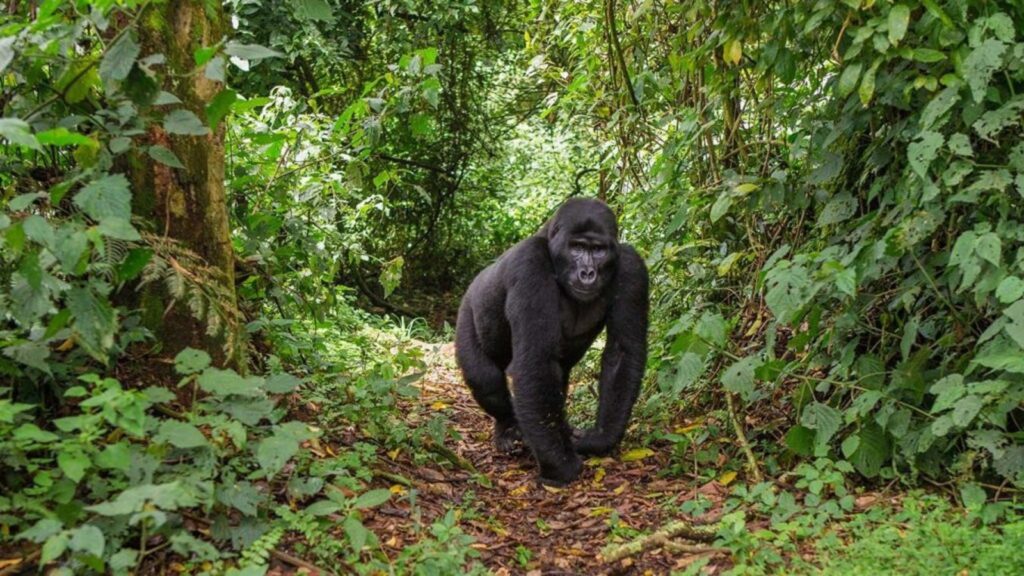

When and How to Book Gorilla Permits Early
Booking a gorilla permit early is one of the most important steps in planning a successful gorilla trekking safari. Gorilla permits are strictly limited, highly regulated, and released on a first-come, first-served basis. Understanding when to book and how the process works helps you avoid last-minute stress, secure your preferred trekking dates, and plan the rest of your safari with confidence.
Why Gorilla Permits Sell Out Quickly
Gorilla trekking is carefully controlled to protect endangered mountain gorillas. Each habituated gorilla family receives only a small number of visitors per day, which keeps encounters intimate and minimizes disturbance. Because of these restrictions, daily permit numbers are low while global demand continues to rise.
Peak travel seasons, school holidays, and dry months see the highest demand. In popular destinations such as Bwindi Impenetrable Forest National Park and Volcanoes National Park, permits can sell out several months in advance.
When to Book Gorilla Permits
The ideal time to book gorilla permits depends on when you plan to travel. For peak dry-season months between June and September, as well as December and February, permits should be secured at least six to twelve months in advance. These periods attract the highest number of travelers due to easier trekking conditions and stable weather.
For shoulder and wetter months, such as March to May and October to November, booking three to six months ahead is usually sufficient. However, last-minute availability is never guaranteed, especially for Rwanda, where permit demand remains high year-round.
Travelers with fixed travel dates should always prioritize booking permits as early as possible, even before confirming accommodation or flights.
How Gorilla Permit Booking Works
Gorilla permits are issued by the official wildlife authorities in each country. In Uganda, permits are managed by the Uganda Wildlife Authority, while in Rwanda they are issued by the Rwanda Development Board. In the Democratic Republic of Congo, permits fall under the Institut Congolais pour la Conservation de la Nature.
Permits are tied to a specific date and park but not to a particular gorilla family. Once issued, they are non-transferable and subject to strict cancellation policies. Because of these conditions, accuracy in travel planning is essential before confirming a booking.
Booking Directly vs Through a Safari Operator
Permits can be requested directly from the issuing authority or secured through a licensed safari operator. While direct booking may seem straightforward, it often requires local payment methods, fast response times, and familiarity with availability systems.
Many travelers choose to book through an experienced safari operator who can check availability, secure permits, and align them with accommodation and transport. This approach reduces the risk of date mismatches and ensures compliance with park regulations.
Matching Permits With Accommodation and Transport
Once your permit is secured, the next step is arranging accommodation near the correct trekking sector. In Uganda, Bwindi Impenetrable Forest has multiple trekking sectors, and your permit determines where you start your hike. Staying close to the correct gate minimizes early-morning travel and fatigue.
Transport planning should follow permit confirmation. Trekking days begin early, and reliable transfers are essential to arrive at park headquarters on time for the morning briefing.
What Happens If Permits Are Sold Out
If permits are unavailable on your preferred dates, flexibility can help. Adjusting travel dates, switching trekking sectors, or considering a different country may open up availability. In some cases, last-minute cancellations occur, but these cannot be relied upon.
Early booking remains the most reliable way to secure a permit and avoid compromises.
Final Thoughts
Booking gorilla permits early is the foundation of a well-planned gorilla trekking safari. By securing your permit first, you gain clarity on travel dates, accommodation choices, and overall itinerary design. With demand continuing to grow and permit numbers tightly controlled, early planning is not just recommended—it is essential.