Visiting the Batwa People – Dos and Don’ts
Visiting the Batwa people is one of the most sensitive and meaningful cultural experiences available in gorilla regions of Uganda. The Batwa are Indigenous forest people whose history, identity, and survival are deeply tied to the forests that now form protected national parks. A visit to their communities is not entertainment; it is an opportunity to learn, listen, and support cultural preservation with respect and humility.
Understanding how to behave before you arrive helps ensure that your visit is ethical, respectful, and beneficial rather than intrusive or harmful.
Understanding Who the Batwa Are
The Batwa are among the oldest Indigenous peoples in the Great Lakes region. For generations, they lived as hunter-gatherers in the forests that later became national parks, including Bwindi Impenetrable National Park and Mgahinga Gorilla National Park. When these areas were gazetted for conservation, the Batwa were evicted, losing access to their ancestral land and traditional way of life.
Today, many Batwa communities live on the margins of society and rely on cultural tourism, crafts, and community projects for income. This context matters deeply when visiting. You are stepping into a living history shaped by displacement, resilience, and adaptation.
Visiting Through Organized and Community-Led Experiences
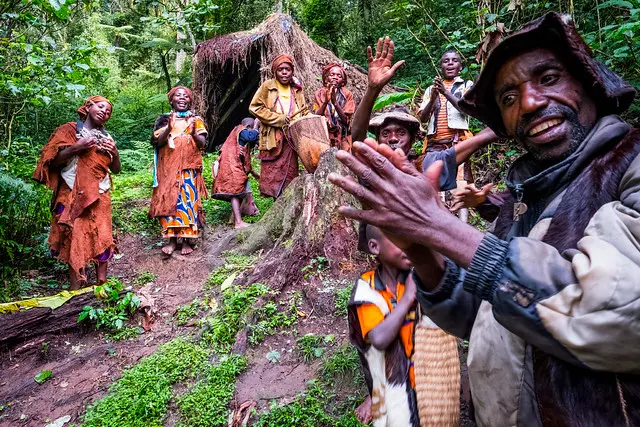
Ethical Batwa visits take place through organized, community-led programs rather than unplanned or informal encounters. These experiences are designed and guided by Batwa representatives who choose what stories to share and how to share them.
Participating through approved cultural trails or community visits ensures that income returns directly to the community and that the experience respects Batwa voices rather than exploiting them.
How to Approach the Visit with Respect
Respect begins with mindset. Visitors should arrive ready to listen rather than judge, compare, or romanticize. The Batwa are not relics of the past; they are contemporary people navigating modern challenges while preserving elements of their culture.
Asking thoughtful questions, listening attentively, and allowing conversations to unfold naturally shows genuine interest rather than curiosity driven by spectacle.
Photography and Permission
Photography requires sensitivity. Always ask before taking photos of individuals, homes, or activities. Some community members may feel uncomfortable being photographed, while others may agree happily.
Respecting a refusal matters more than capturing an image. When photography is permitted, avoid directing poses or staging scenes. Authentic moments come from trust, not instruction.
Supporting the Community Responsibly
Responsible support means participating in structured activities, purchasing crafts directly from artisans, and paying agreed fees without bargaining. These fees fund education, healthcare, and cultural preservation initiatives.
Avoid giving money or gifts directly to children, as this can create dependency and disrupt community dynamics. If you wish to support further, ask guides or community leaders about appropriate channels.
Behavior During Cultural Demonstrations
Some visits include storytelling, demonstrations of traditional skills, or cultural performances. These moments should be treated as acts of sharing, not performances for applause.
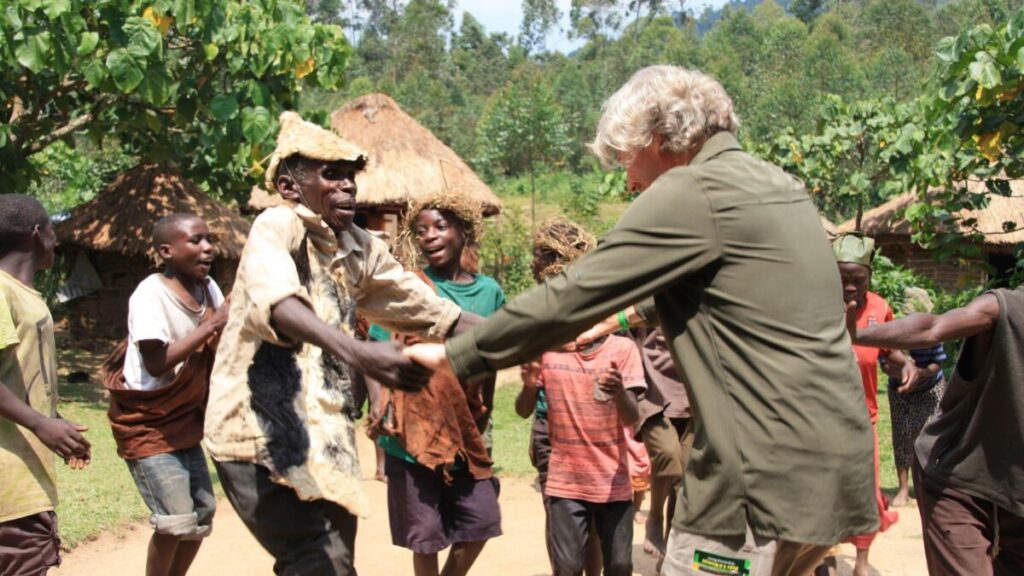
Listening quietly, refraining from interrupting, and responding respectfully reinforces dignity. Participation, when invited, should be gentle and guided rather than enthusiastic or overwhelming.
Language, Tone, and Interaction
Even when conversations pass through translators, tone matters. Speaking calmly, avoiding jokes about poverty or forest life, and refraining from intrusive personal questions helps maintain mutual respect.
Body language should remain open and relaxed. Standing too close, pointing, or moving abruptly can cause discomfort, especially in intimate community spaces.
Avoiding Harmful Assumptions
One of the most important “don’ts” is avoiding assumptions. The Batwa are often misrepresented as uniformly poor, helpless, or frozen in the past. These narratives erase individual agency and complexity.
Each community and family has its own story. Approaching the visit without preconceived conclusions allows learning to happen naturally.
Understanding the Emotional Weight of the Experience
For many travelers, visiting the Batwa is emotionally powerful. Stories of displacement and resilience can feel confronting. It is important to process these emotions privately rather than projecting guilt, pity, or savior attitudes onto the community.
Respectful presence matters more than emotional reactions.
Why Ethical Visits Matter for Conservation and Culture
Responsible Batwa visits support both cultural survival and conservation goals. When communities benefit from tourism, they gain stronger incentives to support protected areas and wildlife conservation.
Ethical tourism helps correct historical imbalances rather than reinforcing them.
Plan Your Safari With Us
Batwa visits require careful planning and ethical guidance. We work only with community-led programs that prioritize dignity, consent, and fair benefit-sharing. Our guides prepare you in advance, provide cultural context, and ensure visits remain respectful and meaningful.
Enquire now and let us plan a gorilla safari that honors the Batwa people through responsible, ethical, and deeply respectful cultural engagement.