Vegetarian and Vegan Options on Safari
Traveling on safari as a vegetarian or vegan is far easier than many people expect. Uganda and Rwanda both have food cultures built around plant-based staples, and safari lodges are well accustomed to hosting international travelers with specific dietary preferences. With the right communication and planning, vegetarian and vegan travelers enjoy varied, nourishing, and satisfying meals throughout their safari.
This guide explains what vegetarian and vegan travelers can realistically expect while on safari, especially when visiting gorilla trekking regions.
Why Safari Destinations Adapt Well to Plant-Based Diets
Much of East African cuisine relies on vegetables, legumes, grains, and fruits. Beans, lentils, bananas, sweet potatoes, cassava, maize, rice, and leafy greens form the foundation of everyday meals. Meat is often an addition rather than the core of the dish.
Because of this structure, vegetarian and vegan meals feel natural rather than forced. Safari lodges adapt traditional dishes easily, substituting plant-based proteins and sauces without losing flavor or balance.
Vegetarian and Vegan Dining at Safari Lodges
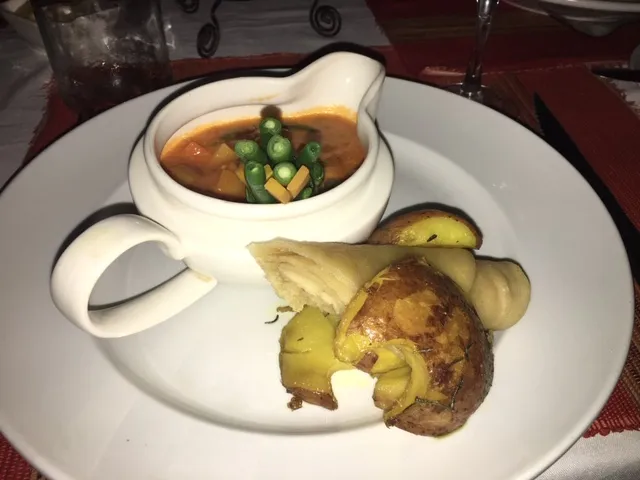
Safari lodges in Uganda and Rwanda routinely cater to vegetarian and vegan guests. Chefs prepare separate menus or adjusted versions of standard meals that meet dietary needs while maintaining presentation and nutrition. Breakfasts typically include fruit, cereals, porridge, toast, plant-based spreads, and cooked vegetables. Lunches and dinners often feature rice, potatoes, pasta, beans, lentils, vegetables, and sauces made without animal products when requested.
Lodges near Bwindi Impenetrable National Park and Volcanoes National Park are particularly experienced in handling dietary requirements, as gorilla trekking attracts travelers from many cultural backgrounds. Informing the lodge in advance allows chefs to plan properly and avoid last-minute limitations.
Traditional Plant-Based Foods in Uganda
Ugandan cuisine offers many naturally vegetarian dishes. Matoke, made from green bananas, appears widely and pairs well with groundnut sauce or vegetable stews. Beans cooked slowly with onions and tomatoes remain a daily staple across the country and provide reliable protein for vegetarian travelers.
Vegetable-based sauces, pumpkin leaves, sweet potatoes, cassava, and maize dishes appear frequently, especially in rural areas. These foods are filling, nutritious, and well suited to the physical demands of trekking days.
Traditional Plant-Based Foods in Rwanda
Rwandan meals also rely heavily on plant-based ingredients. Dishes made from beans, vegetables, sweet potatoes, Irish potatoes, and plantains are common. Isombe, prepared from cassava leaves and groundnuts, stands out as a flavorful and satisfying option that fits both vegetarian and vegan diets.
Because Rwanda’s highlands produce abundant vegetables, fresh produce appears regularly on lodge menus. These meals feel light yet energizing, which suits active safari days.
Vegan-Specific Considerations
Vegan travelers should communicate clearly, as some traditional sauces use butter, milk, or ghee by default. Safari lodges are generally happy to adjust recipes, but advance notice ensures smooth preparation.
Plant-based oils, coconut milk, tomato-based sauces, and legumes allow chefs to create complete vegan meals without difficulty. Many lodges now understand vegan requirements well due to growing global demand.
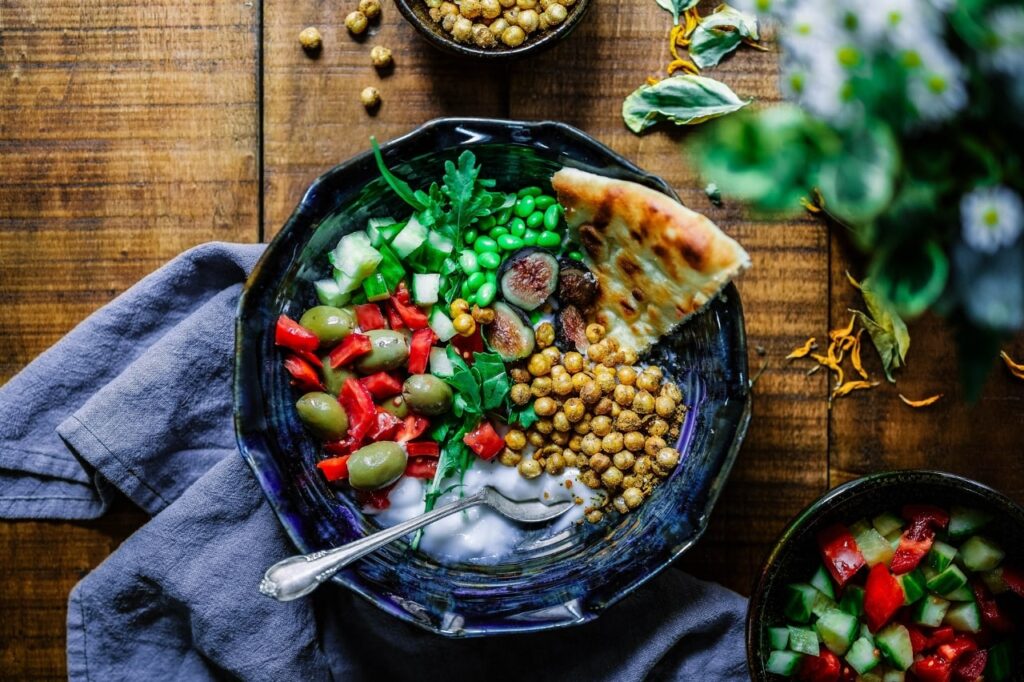
Packed Lunches and Trekking Days
On gorilla trekking days, lodges prepare packed lunches. Vegetarian and vegan travelers receive tailored meals that provide energy without relying on animal products. These lunches often include fruit, bread, vegetable wraps, rice dishes, or bean-based meals.
Because trekking can last several hours, these meals are designed to be filling and easy to digest, supporting stamina rather than weighing the body down.
Eating Outside Lodges
When dining outside lodges, vegetarian options remain widely available, as local meals often center on beans, vegetables, and starches. Vegan travelers may need to ask how dishes are prepared, particularly regarding oils or sauces.
Guides and drivers help navigate these situations and recommend places that handle dietary requests respectfully and safely.
Nutrition and Energy on Safari
Vegetarian and vegan diets work well on safari when meals include enough carbohydrates, protein, and hydration. Beans, lentils, groundnuts, grains, and vegetables provide sustained energy for trekking and long travel days.
Safari lodges understand the physical demands of activities and design meals accordingly, ensuring plant-based travelers do not feel under-fueled.
Common Concerns and Reassurance
Many travelers worry they will feel limited or hungry without meat. In reality, vegetarian and vegan guests often report being pleasantly surprised by the variety and quality of meals available. The key lies in communication rather than compromise.
Clear dietary information shared before arrival allows the experience to feel effortless rather than restrictive.
Plan Your Safari With Us
We understand that dietary needs form an important part of travel comfort. When planning your safari, we communicate your vegetarian or vegan preferences directly to lodges and guides, ensuring consistent meals throughout your journey. From trekking days to relaxed evenings at the lodge, we make sure your food experience supports your adventure.
Enquire now and let us plan a gorilla safari where your dietary choices are respected, understood, and seamlessly catered for.