UWA Gorilla Permit Fee Breakdown: Understanding What Your Gorilla Permit Pays For
Many travelers planning a gorilla trekking safari in Uganda focus primarily on the cost of the permit. However, few fully understand where the money goes after purchasing a permit from the Uganda Wildlife Authority. A detailed UWA gorilla permit fee breakdown helps visitors appreciate how their contribution supports conservation, tourism development, local communities, and the long-term protection of endangered mountain gorillas.
Uganda has become one of the world’s leading gorilla trekking destinations, attracting thousands of visitors every year to Bwindi Impenetrable National Park and Mgahinga Gorilla National Park. The success of gorilla tourism has played a crucial role in protecting mountain gorillas while creating economic opportunities for surrounding communities.
This guide explains the UWA gorilla permit fee breakdown, what the permit covers, and how your payment contributes to one of Africa’s most successful conservation programs.
What Is a UWA Gorilla Permit?
A UWA gorilla permit is an official authorization issued by the Uganda Wildlife Authority that allows a visitor to participate in a mountain gorilla trekking experience.
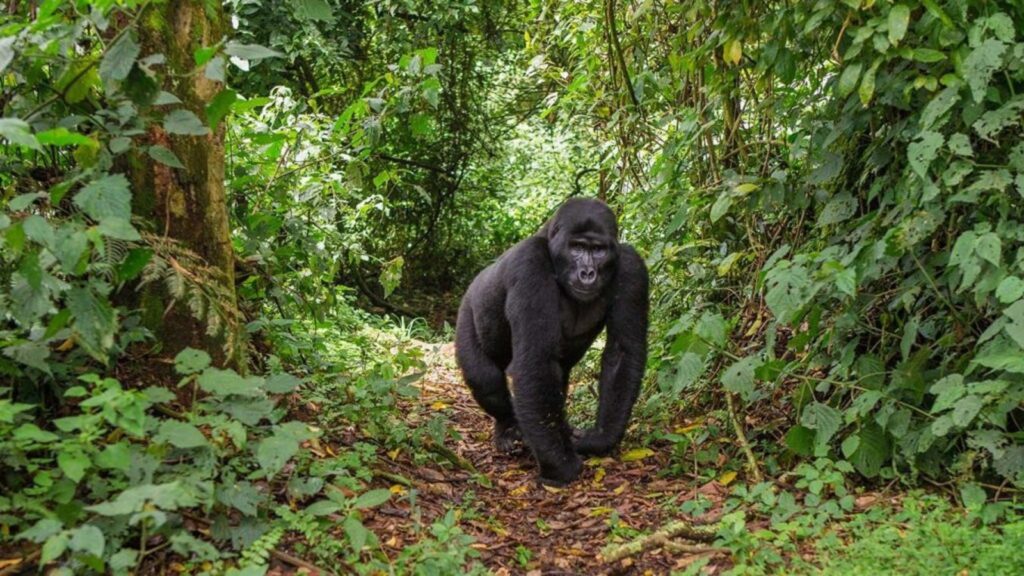
The permit grants access to a habituated gorilla family in either Bwindi Impenetrable National Park or Mgahinga Gorilla National Park.
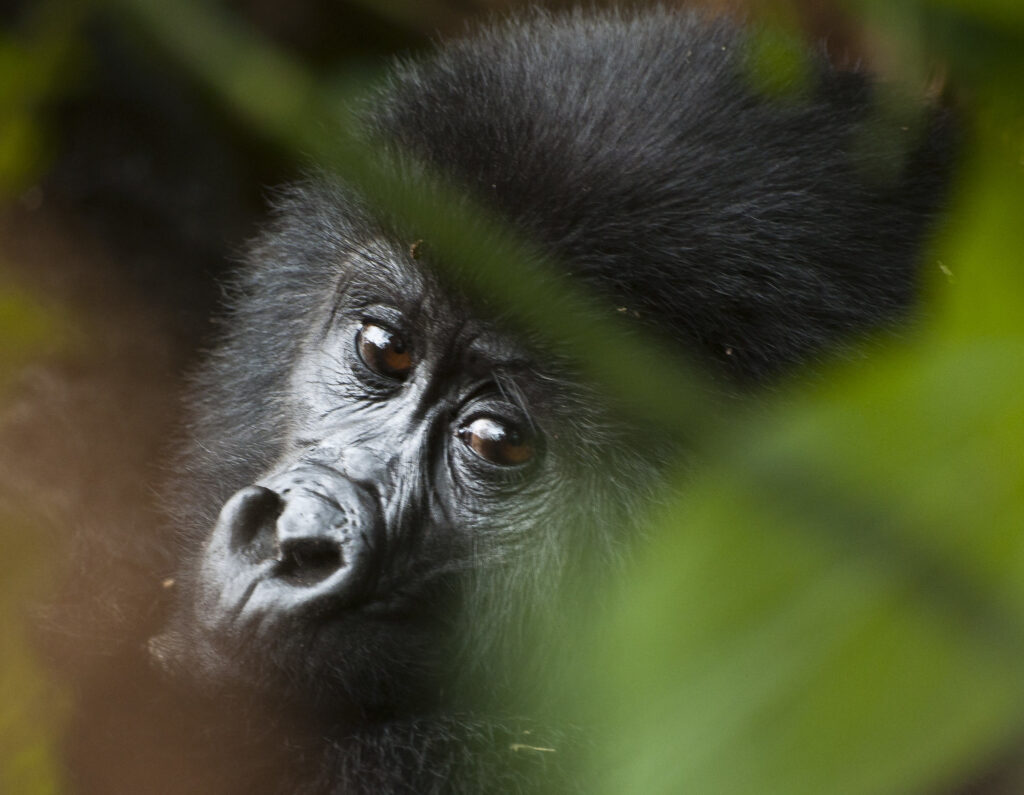
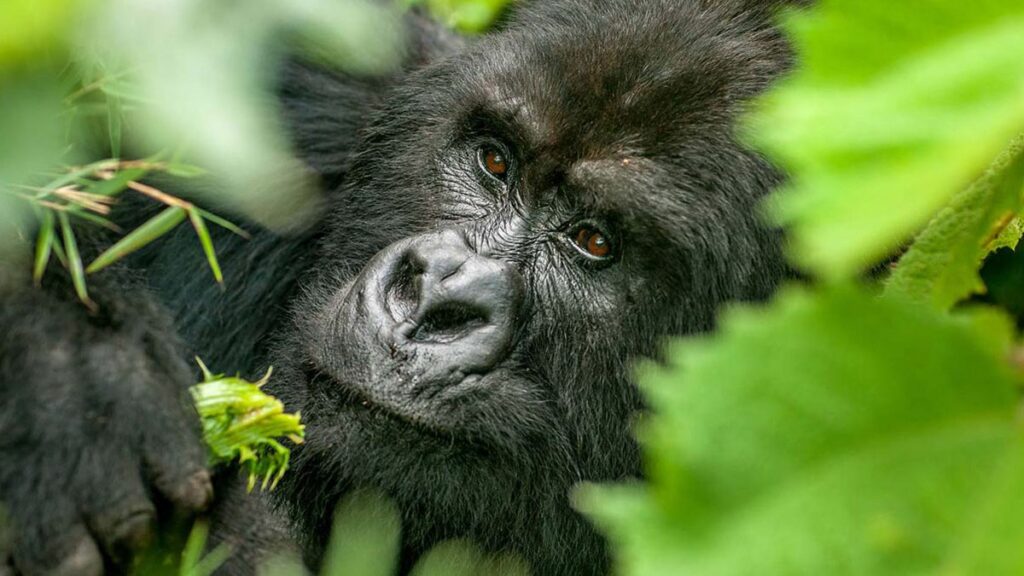
Each permit allows visitors to spend one hour observing mountain gorillas in their natural habitat under the supervision of trained guides and rangers.
Permit fees represent one of the most important sources of funding for wildlife conservation in Uganda.
Why Understanding the UWA Gorilla Permit Fee Breakdown Matters
Many travelers initially view permit fees as a simple tourism expense.
In reality, permit revenue supports a complex conservation system that protects gorillas, maintains national parks, supports local communities, and sustains tourism infrastructure. Understanding where the money goes helps visitors recognize the broader impact of their contribution.
Every permit purchased plays a direct role in ensuring the survival of mountain gorillas and preserving their habitat for future generations.
What Does a Gorilla Permit Include?
Before examining the fee breakdown, it is important to understand what the permit itself covers.
The permit grants entry into the national park for the trekking activity. It includes the services of experienced ranger guides, security personnel, gorilla trackers, conservation staff, and park management teams.
The permit also allows one hour of interaction with a habituated gorilla family once the group locates the animals.
Accommodation, transportation, visas, porter fees, meals, and travel insurance are not included in the permit price.
Gorilla Conservation and Protection
A significant portion of gorilla permit revenue supports conservation activities.
Mountain gorillas remain endangered despite remarkable population recovery in recent decades. Conservation programs require continuous funding to monitor gorilla groups, protect habitats, and address emerging threats.
Permit revenue helps finance daily conservation operations that ensure the long-term survival of these iconic primates.
Without tourism income, many of these initiatives would face substantial financial challenges.
Ranger Salaries and Field Operations
Rangers serve as the frontline defenders of Uganda’s protected areas.
Permit fees contribute toward ranger salaries, equipment, training, uniforms, and field operations. Rangers conduct daily patrols to monitor gorilla families, prevent illegal activities, and maintain visitor safety.
Their work often involves challenging conditions within dense forests and mountainous terrain.
The effectiveness of Uganda’s conservation model depends heavily on the dedication and professionalism of these field teams.
Anti-Poaching Activities
Anti-poaching efforts form a critical component of gorilla conservation.
Although mountain gorillas are rarely targeted directly, they remain vulnerable to snares, habitat encroachment, and illegal wildlife activities. Permit revenue supports anti-poaching patrols, surveillance operations, intelligence gathering, and law enforcement activities.
These efforts protect not only gorillas but also numerous other species that share the same ecosystems.
Strong anti-poaching programs have contributed significantly to the growth of mountain gorilla populations.
Veterinary Care and Gorilla Health Monitoring
Mountain gorillas face health risks from both natural diseases and human-related illnesses.
Uganda invests heavily in gorilla health monitoring and veterinary intervention programs. Conservation teams regularly observe gorilla groups and respond to medical emergencies when necessary.
Permit revenue helps fund veterinary equipment, field research, disease surveillance, and emergency response activities.
These programs play an essential role in maintaining healthy gorilla populations.
Community Revenue Sharing Programs
One of the most important elements of the UWA gorilla permit fee breakdown involves community support.
Communities living near national parks often bear the challenges associated with wildlife conservation. To encourage positive relationships between local residents and protected areas, a portion of tourism revenue supports community development projects.
These projects may include schools, healthcare facilities, water systems, road improvements, and livelihood initiatives.
Revenue sharing helps ensure that local communities benefit directly from conservation success.
Park Infrastructure Development
Managing a world-class tourism destination requires ongoing investment in infrastructure.
Permit revenue contributes to maintaining park roads, visitor centers, trail networks, signage, communication systems, and operational facilities.
Improved infrastructure enhances visitor experiences while supporting effective park management.
These investments help Uganda remain one of the leading gorilla trekking destinations in Africa.
Research and Monitoring Programs
Scientific research remains essential for effective conservation management.
Researchers continuously study gorilla behavior, population trends, habitat conditions, and ecological changes. Permit fees help support these research activities and provide valuable information for conservation decision-making.
Long-term monitoring programs enable wildlife authorities to identify challenges early and adapt management strategies accordingly.
Science-driven conservation has contributed significantly to Uganda’s gorilla conservation achievements.
Tourism Development and Marketing
Gorilla tourism requires continuous promotion and development.
A portion of tourism revenue supports destination marketing, tourism planning, visitor management systems, and industry development initiatives. These efforts attract international visitors and generate economic benefits that extend throughout the tourism sector.
A thriving tourism industry creates employment opportunities and strengthens conservation financing.
The success of gorilla tourism benefits both wildlife and local economies.
Visitor Safety and Security
Safety remains a top priority during gorilla trekking activities.
Permit revenue supports security operations, ranger escorts, emergency response systems, communication networks, and visitor management programs. These measures help create a safe environment for tourists exploring remote forest ecosystems.
The presence of trained personnel provides reassurance to visitors while protecting both people and wildlife.
Maintaining high safety standards remains an important component of Uganda’s tourism reputation.
Why Gorilla Permit Fees Continue to Increase
Travelers occasionally notice changes in gorilla permit pricing and wonder why adjustments occur.
Conservation costs continue to rise due to inflation, infrastructure improvements, staff development, community programs, and increasing conservation demands. Permit pricing helps ensure that wildlife authorities can maintain high-quality conservation standards while supporting sustainable tourism growth.
Revenue generated from permits allows Uganda to continue investing in the protection of mountain gorillas and their habitats.
These investments contribute directly to long-term conservation success.
The Conservation Success Story Behind Permit Fees
Uganda’s mountain gorilla conservation efforts represent one of the world’s most inspiring wildlife recovery stories.
Through a combination of conservation funding, community involvement, scientific management, and responsible tourism, mountain gorilla populations have increased over recent decades. Gorilla permit revenue has played a central role in making this success possible.
Every visitor who purchases a permit becomes part of this ongoing conservation achievement.
The experience therefore delivers value that extends far beyond tourism alone.
Conclusion
Understanding the UWA gorilla permit fee breakdown reveals that a gorilla permit is much more than an entrance ticket. The revenue supports ranger operations, anti-poaching efforts, veterinary care, scientific research, community development, tourism infrastructure, and long-term conservation programs.
When travelers purchase a gorilla permit from the Uganda Wildlife Authority, they contribute directly to one of Africa’s most successful conservation initiatives. The permit not only provides access to an unforgettable wildlife experience but also helps secure the future of endangered mountain gorillas and the ecosystems they call home.
For many visitors, this knowledge adds even greater meaning to an already extraordinary adventure.