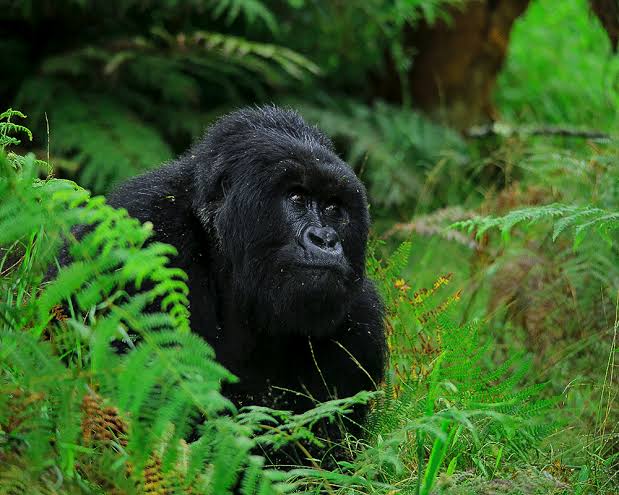
Ultimate Guide to Gorilla Trekking in Africa
Gorilla trekking stands among the most extraordinary wildlife experiences in the world. Few adventures compare to the moment when you come face-to-face with a mountain gorilla in its natural habitat. Deep within the mist-covered forests of East and Central Africa, these gentle giants live in small family groups and offer travelers a rare opportunity to observe them up close.
Every year, thousands of visitors travel to Africa to experience gorilla trekking. The activity combines wildlife viewing, hiking, conservation, and cultural encounters into one unforgettable journey. Whether you are planning your first African safari or looking for a unique wildlife adventure, gorilla trekking deserves a place on your travel bucket list.
This ultimate guide covers everything you need to know about gorilla trekking in Africa, from destinations and permits to packing tips and conservation efforts.
What Is Gorilla Trekking?
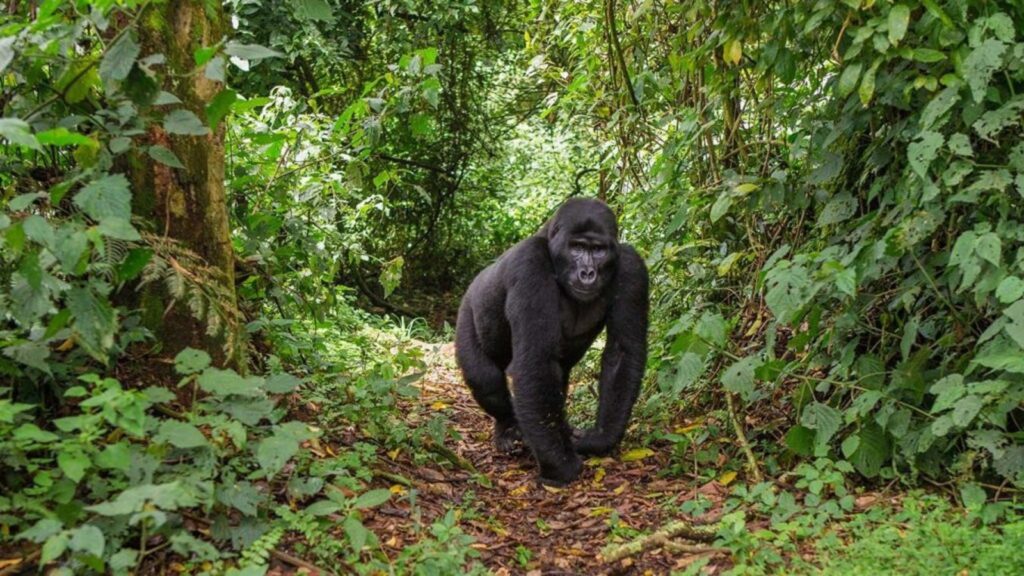
Gorilla trekking involves hiking through tropical rainforests in search of habituated mountain gorilla families. Experienced guides and trackers lead visitors through dense vegetation, following signs such as fresh nests, footprints, and feeding areas until they locate the gorillas.
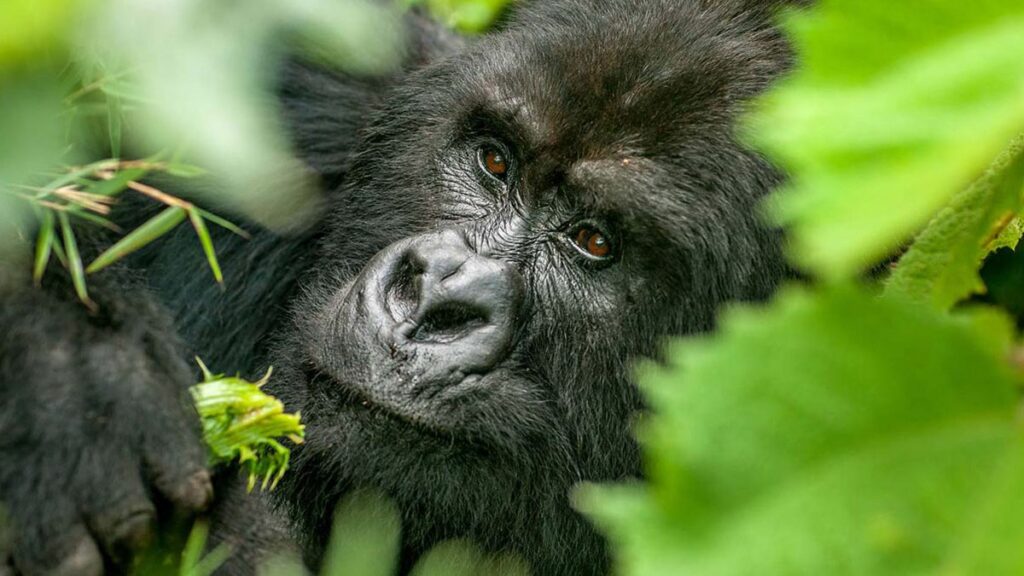
Once trekkers find a gorilla family, they spend one hour observing the animals. During this time, visitors can watch the gorillas feed, groom each other, play, and interact within their family group.
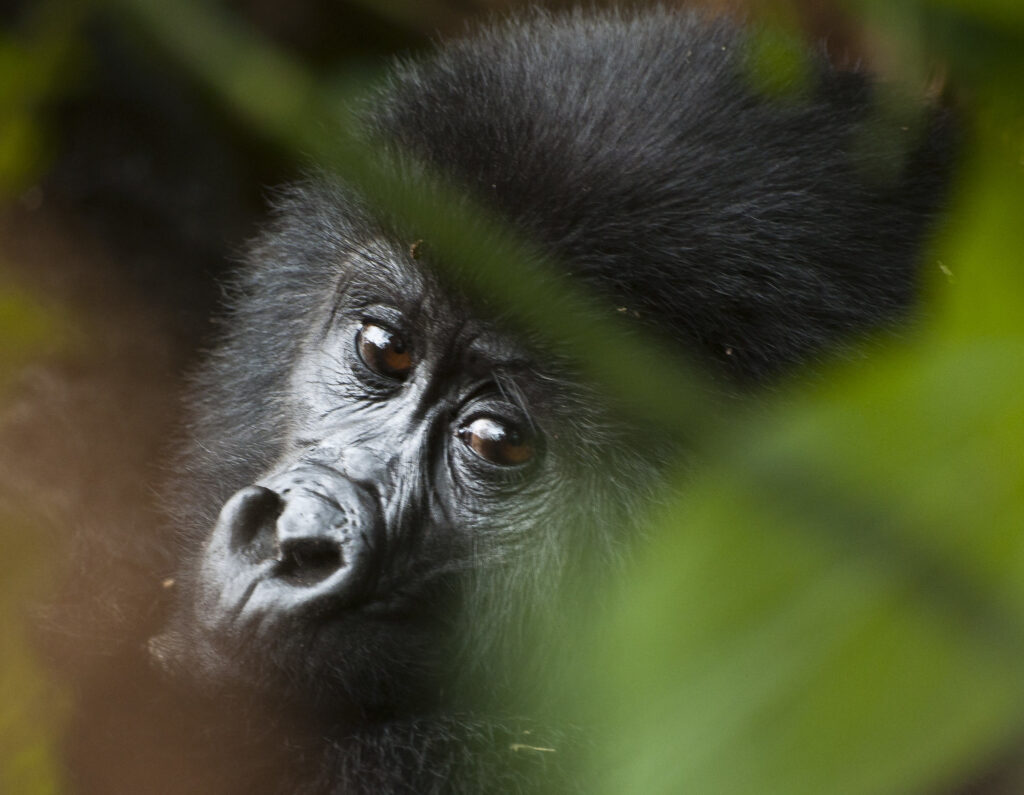
The experience offers an intimate look into the lives of one of humanity’s closest relatives. Mountain gorillas share approximately 98 percent of their DNA with humans, making their behavior remarkably familiar and fascinating.
Where Can You Go Gorilla Trekking in Africa?
Mountain gorillas inhabit only a few protected forests in Africa. Three countries offer official gorilla trekking experiences.
Uganda
Uganda ranks among the most popular gorilla trekking destinations in Africa. The country hosts nearly half of the world’s remaining mountain gorilla population.
Visitors can trek gorillas in two national parks:
Bwindi Impenetrable National Park
Bwindi is Uganda’s premier gorilla trekking destination. The park contains several habituated gorilla families spread across different sectors, including Buhoma, Ruhija, Rushaga, and Nkuringo.
The park features thick forests, steep hills, and diverse wildlife. Its large gorilla population increases the chances of securing trekking permits throughout the year.
Mgahinga Gorilla National Park
Located in southwestern Uganda, Mgahinga offers a more intimate trekking experience. The park forms part of the larger Virunga Conservation Area and provides stunning views of volcanic mountains.
Rwanda
Rwanda offers gorilla trekking in Volcanoes National Park. The park lies within the Virunga Mountains and provides relatively accessible trekking routes compared to some areas of Bwindi.
Many travelers choose Rwanda because of its proximity to Kigali International Airport. Visitors can reach the park within a few hours after landing.
Democratic Republic of Congo
Virunga National Park in the Democratic Republic of Congo also offers gorilla trekking experiences. The park boasts dramatic volcanic landscapes and rich biodiversity.
Although Virunga offers unique adventures, travelers should always check current security conditions before planning a visit.
Understanding Gorilla Trekking Permits
Every visitor must obtain a gorilla trekking permit before entering the forest. The permit grants access to a habituated gorilla family and helps fund conservation efforts.
Permit prices vary between countries and may change periodically. Since demand remains high throughout the year, especially during peak seasons, early booking is essential.
Many travelers secure permits several months before their intended travel dates. Tour operators often assist with permit reservations as part of safari packages.
What Happens During a Gorilla Trek?
The day begins early with a briefing at the park headquarters. Rangers explain trekking rules, safety guidelines, and gorilla conservation practices.
After the briefing, visitors join small groups and receive an assigned gorilla family. Each group usually contains a maximum of eight trekkers.
The trek itself can last anywhere from one to six hours depending on the location of the gorilla family. Some groups stay close to the trailhead, while others move deeper into the forest.
When trackers locate the gorillas, visitors approach carefully and maintain a safe distance. The one-hour viewing period then begins.
Many travelers describe this hour as the highlight of their African safari experience.
Best Time for Gorilla Trekking
Gorilla trekking takes place throughout the year, but some seasons provide more favorable hiking conditions.
Dry Seasons
The dry months generally occur from June to September and December to February. Trails remain less muddy during these periods, making trekking easier.
Many travelers prefer these months because they offer comfortable hiking conditions and excellent photography opportunities.
Wet Seasons
The rainy seasons usually occur from March to May and October to November. Forest vegetation becomes lush and vibrant during these months.
Although trails can become slippery, the forests remain beautiful, and permit availability often improves.
What to Pack for Gorilla Trekking
Proper preparation enhances comfort during the trek. The rainforest environment can change quickly, so appropriate clothing and equipment are essential.
Sturdy hiking boots provide support on uneven terrain. Long trousers and long-sleeved shirts help protect against insects and thorny vegetation. Waterproof jackets offer protection from sudden rainfall.
Many trekkers also carry gardening gloves for navigating dense vegetation. A small backpack, drinking water, snacks, sunscreen, insect repellent, and a camera complete the packing list.
Neutral-colored clothing works best because it blends naturally into the environment.
Gorilla Trekking Rules and Guidelines
Conservation remains the highest priority during every trek. Visitors must follow strict rules to protect both gorillas and humans.
Trekkers should maintain a distance of at least seven meters from the gorillas whenever possible. Visitors should also avoid direct eye contact with dominant silverbacks for extended periods.
Anyone showing signs of illness should not participate in the trek because gorillas can contract human diseases.
Flash photography is not allowed. Visitors should also keep noise levels low and follow instructions from guides at all times.
These regulations help preserve the health and well-being of endangered mountain gorillas.
Gorilla Conservation and Community Impact
Gorilla trekking contributes significantly to conservation efforts across Africa. Revenue generated from permits supports national parks, ranger salaries, anti-poaching initiatives, and habitat protection.
Local communities also benefit from tourism income. Many residents find employment as guides, porters, lodge staff, artisans, and conservation workers.
This connection between tourism and conservation creates strong incentives for protecting gorilla habitats and promoting sustainable development.
The remarkable recovery of mountain gorilla populations over recent decades demonstrates the positive impact of responsible tourism and conservation partnerships.
Gorilla Trekking vs. Gorilla Habituation Experience
Uganda offers an additional activity known as the Gorilla Habituation Experience.
Traditional gorilla trekking allows visitors to spend one hour with a fully habituated gorilla family. Gorilla habituation permits visitors to spend up to four hours with a gorilla group undergoing the habituation process.
Researchers and rangers accompany participants throughout the experience. This option provides deeper insights into gorilla behavior and conservation work.
Wildlife enthusiasts often choose habituation experiences for their extended observation time.
Combining Gorilla Trekking with Other Safaris
Many travelers combine gorilla trekking with additional safari activities in East Africa.
Uganda offers opportunities to explore Queen Elizabeth National Park, Murchison Falls National Park, Kibale Forest National Park, and Lake Mburo National Park.
Rwanda visitors often combine gorilla trekking with cultural tours, golden monkey tracking, and visits to Kigali.
These combinations create diverse itineraries that showcase Africa’s wildlife, landscapes, and cultures.
Conclusion
Gorilla trekking in Africa delivers a wildlife experience unlike any other. The adventure takes travelers deep into ancient rainforests and offers a rare chance to observe endangered mountain gorillas in their natural environment.
Whether you choose Uganda, Rwanda, or the Democratic Republic of Congo, the encounter leaves a lasting impression. Beyond the excitement of seeing gorillas, every permit supports conservation efforts and local communities.
For nature lovers, photographers, and safari enthusiasts, gorilla trekking remains one of Africa’s most rewarding adventures. With proper planning and preparation, your journey into the heart of gorilla country can become the experience of a lifetime.