Gorilla Trekking Emergency Evacuation: A Complete Guide for Travelers
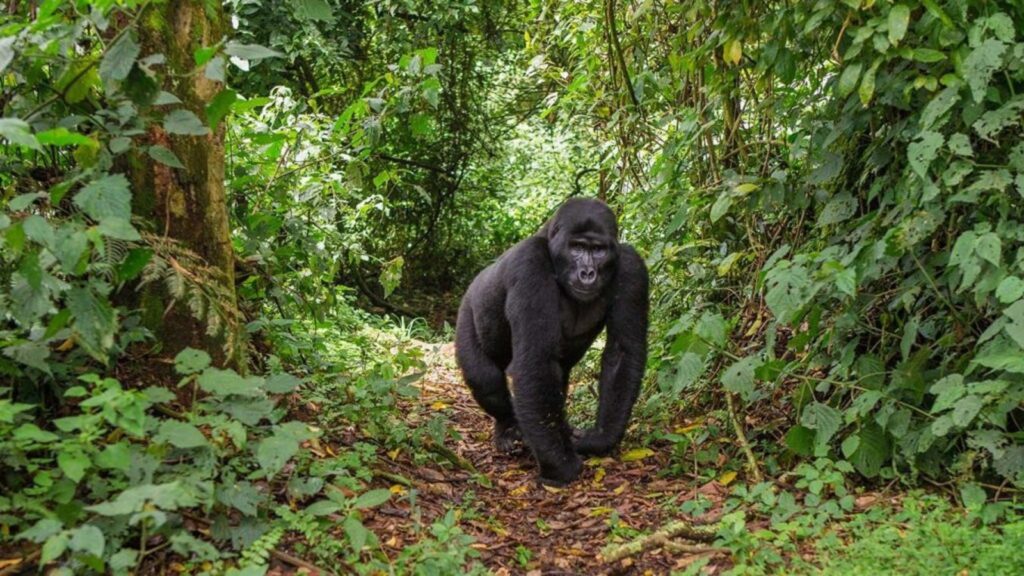
Gorilla trekking is one of Africa’s most exciting wildlife experiences, offering visitors the opportunity to observe endangered mountain gorillas in their natural forest habitat. Thousands of travelers visit Uganda, Rwanda, and the Democratic Republic of Congo each year to participate in guided gorilla treks through protected national parks. While gorilla trekking is generally safe and well organized, it takes place in remote wilderness areas where unexpected situations can occasionally arise. Understanding the **gorilla trekking emergency evacuation** process can help travelers prepare for unforeseen circumstances and travel with greater confidence.
National parks, tour operators, guides, and conservation authorities place visitor safety at the center of their operations. Emergency procedures exist to respond quickly and effectively if a visitor experiences a medical problem, injury, or other serious incident during a trek.
Knowing how emergency evacuations work helps travelers understand the safety systems that support gorilla tourism across East and Central Africa.
What Is a Gorilla Trekking Emergency Evacuation?
A gorilla trekking emergency evacuation refers to the process of safely removing a visitor from a trekking area when a medical emergency, injury, or other serious situation requires immediate assistance.
Evacuations may involve transportation from the forest to a nearby health facility, transfer to a regional hospital, or movement to a location where advanced medical care is available. The specific response depends on the nature of the emergency, the location of the trekking group, and available resources.
Emergency evacuation procedures are designed to minimize delays while prioritizing visitor safety and well-being.
Park authorities and safari operators regularly coordinate these efforts to ensure an effective response when necessary.
Why Emergency Evacuation Planning Matters
The importance of gorilla trekking emergency evacuation planning becomes clear when considering the environments where gorilla trekking occurs. Mountain gorillas inhabit remote forests characterized by steep slopes, dense vegetation, uneven terrain, and changing weather conditions.
Although most treks proceed without incident, visitors may occasionally experience health problems such as dehydration, fatigue, injuries from slips or falls, allergic reactions, or pre-existing medical conditions that require attention.
Comprehensive evacuation planning helps ensure that assistance is available when needed. These preparations provide reassurance for travelers and contribute to the overall safety of gorilla tourism operations.
Good planning reduces risks and improves response times during emergencies.
Common Situations That May Require Evacuation
Several circumstances can trigger a gorilla trekking emergency evacuation. Medical emergencies remain among the most common reasons for evacuation requests.
Visitors may experience sudden illness, chest pain, breathing difficulties, severe exhaustion, or complications related to pre-existing health conditions. Injuries resulting from falls, slips, or accidents on challenging terrain can also require evacuation.
Occasionally, severe weather conditions or environmental hazards may contribute to situations where visitors need assistance leaving the forest safely.
Although these events remain relatively rare, preparedness allows park authorities and operators to respond effectively.
Emergency Response Teams in Gorilla Parks
Professional response teams play a critical role in every gorilla trekking emergency evacuation operation. National parks employ trained rangers, guides, trackers, and support staff who receive instruction in visitor safety and emergency procedures.
These teams often serve as the first point of contact when an incident occurs. They assess the situation, provide initial assistance, and communicate with additional support personnel if necessary.
Park staff maintain close coordination with tour operators, medical providers, and local authorities to ensure efficient responses.
Their experience and local knowledge help facilitate safe evacuations under challenging conditions.
How Emergency Evacuations Are Conducted
The exact procedure for a gorilla trekking emergency evacuation depends on the location and severity of the situation. In many cases, trained personnel assist the affected traveler in reaching a vehicle access point where transportation can continue.
For more serious situations, specialized equipment may be used to move visitors through difficult terrain. Rangers and support teams often work together to carry injured individuals safely from remote sections of the forest.
Once the traveler reaches an accessible location, transportation arrangements can proceed according to the medical needs involved.
The goal is always to provide timely and appropriate assistance.
Emergency Evacuation in Uganda
Uganda has developed extensive systems to support gorilla trekking emergency evacuation procedures within Bwindi Impenetrable National Park and Mgahinga Gorilla National Park.
Uganda Wildlife Authority works closely with tour operators and healthcare providers to coordinate emergency responses. Rangers accompany trekking groups throughout the experience and maintain communication systems designed to support rapid assistance when required.
Several medical facilities operate within reasonable proximity to major trekking regions, allowing authorities to transfer patients for treatment when necessary.
These arrangements contribute to Uganda’s strong safety reputation among gorilla trekking destinations.
Emergency Evacuation in Rwanda
Rwanda maintains well-developed tourism infrastructure that supports gorilla trekking and emergency evacuation operations in Volcanoes National Park.
The country’s road network and proximity between the park and healthcare facilities often facilitate relatively efficient medical transfers. Rangers, guides, and tourism authorities follow established procedures when responding to emergencies involving visitors.
Tour operators frequently discuss emergency response capabilities with travelers before departure to ensure that expectations remain clear.
Rwanda’s emphasis on high-quality tourism services extends to visitor safety and emergency preparedness.
Importance of Travel Insurance
Travel insurance plays an essential role in any discussion of gorilla trekking emergency evacuations. Medical treatment, transportation, and evacuation services can involve significant costs depending on the circumstances.
Comprehensive travel insurance may provide coverage for emergency medical care, evacuation expenses, trip interruptions, and related services. Travelers should carefully review policy details to ensure that adventure activities and remote-area travel are included.
Purchasing suitable insurance before departure can provide valuable financial protection and peace of mind.
Insurance should form part of every gorilla trekking travel plan.
Preparing for Potential Emergencies
Preparation significantly reduces risks associated with situations that could lead to a gorilla trekking emergency evacuation. Travelers should evaluate their physical fitness honestly before booking a trek.
Carrying sufficient water, wearing appropriate footwear, and following guide instructions help reduce the likelihood of injuries and health problems. Visitors should also disclose relevant medical conditions to guides when appropriate.
Consulting a healthcare professional before travel may be advisable for individuals with existing medical concerns.
Proper preparation supports both safety and enjoyment during the trekking experience.
Role of Guides During Emergencies
Guides play an important role in any gorilla trekking emergency evacuation scenario. Because they accompany trekking groups throughout the day, guides are often the first individuals to recognize signs of distress or medical difficulties.
They assess the situation, communicate with support teams, and help implement emergency procedures. Their familiarity with local terrain and park operations allows them to coordinate responses efficiently.
Travelers should always follow guide instructions and communicate any concerns promptly.
Strong communication contributes to faster and more effective assistance when needed.
Safety Measures That Reduce Evacuation Risks
Several safety practices help reduce the need for gorilla trekking emergency evacuation interventions. National parks limit group sizes, provide safety briefings, and employ experienced guides and trackers.
Visitors receive information about trekking conditions before entering the forest. Operators also encourage travelers to choose trekking sectors that match their fitness levels when possible.
These preventive measures help minimize risks and contribute to the strong safety record associated with gorilla trekking.
Prevention remains the most effective approach to emergency management.
What Travelers Should Do During an Emergency
If a situation requiring gorilla trekking emergency evacuation occurs, travelers should remain calm and follow instructions from guides and park staff.
Attempting to manage a serious situation independently can increase risks and complicate rescue efforts. Prompt communication regarding symptoms, injuries, or concerns allows trained personnel to respond more effectively.
Travelers should carry identification, emergency contact information, and insurance details during their safari whenever possible.
Being prepared helps support efficient emergency responses.
Conclusion
The gorilla trekking emergency evacuation process forms an important part of visitor safety planning across Uganda, Rwanda, and other gorilla trekking destinations. Although emergencies remain uncommon, national parks, tour operators, and healthcare providers maintain systems designed to respond quickly and effectively when assistance is needed.
Understanding evacuation procedures, obtaining appropriate travel insurance, and preparing properly for the trek all contribute to safer travel experiences. Visitors who follow safety guidelines and work with experienced operators can enjoy gorilla trekking with greater confidence.
Strong emergency preparedness supports both visitor well-being and the continued success of responsible gorilla tourism.