Uganda Gorilla Trekking in March
March marks a transition period for gorilla trekking in Uganda. The month sits between the dry season and the longer rains, which creates a mix of conditions in the forest. Trekkers who visit in March experience greener landscapes, fewer crowds, and a more intimate feel on the trails. While rain becomes more frequent, it rarely dominates entire days, and trekking continues without interruption.
This period suits travelers who value quieter encounters and do not mind occasional rain in exchange for richer forest scenery.
Weather Conditions in March
March brings warmer temperatures and increasing humidity to southwestern Uganda. Rainfall begins to rise, especially toward the end of the month, but showers usually fall in short bursts rather than lasting all day.
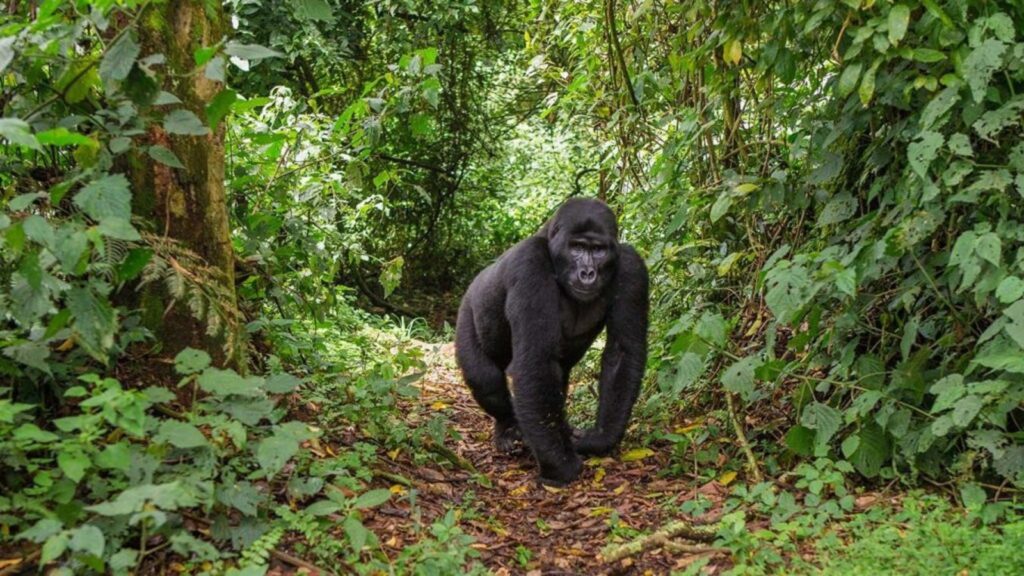
Forest trails become softer underfoot, and some sections turn muddy. These conditions demand more care while hiking, particularly on steep slopes. The upside comes in the form of fresh vegetation, flowing streams, and a forest that feels alive and vibrant.
Gorilla Trekking Experience in March
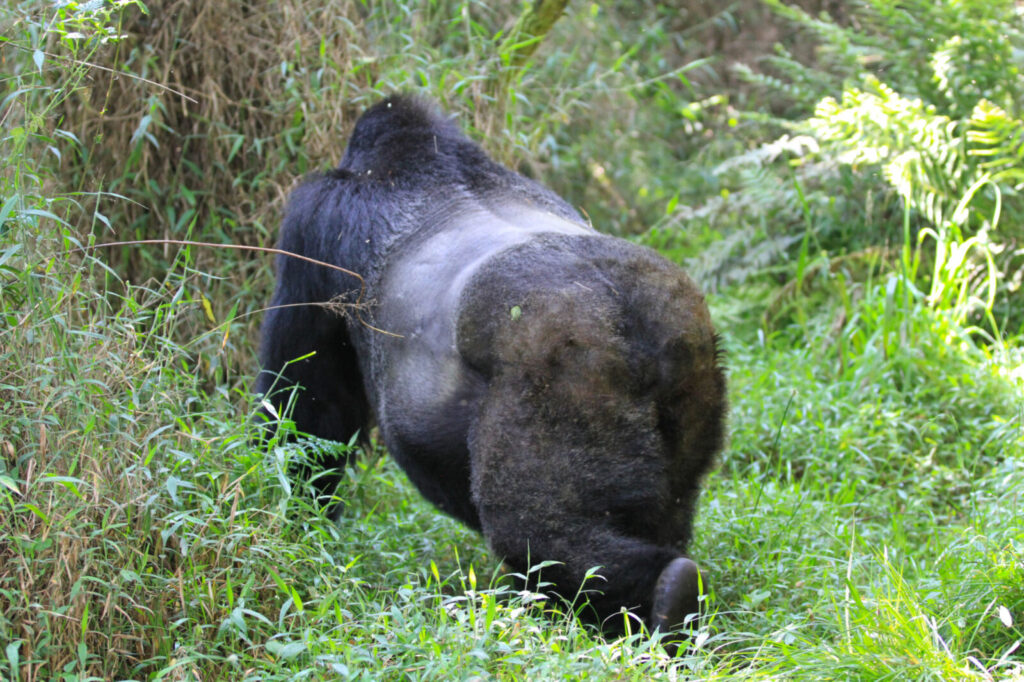
Gorilla trekking in March feels more adventurous than in peak dry months. Gorillas respond to fresh plant growth by spreading out within their home ranges, which can slightly increase trekking time. Trackers still locate families reliably because gorilla movements remain well monitored.
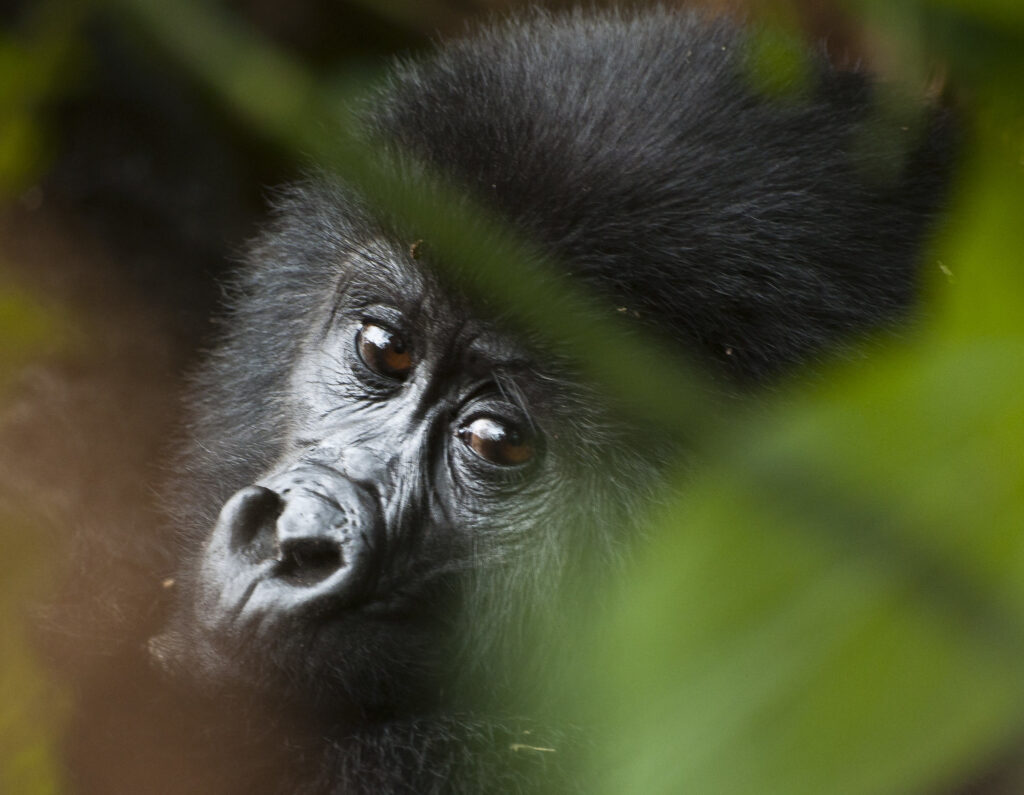
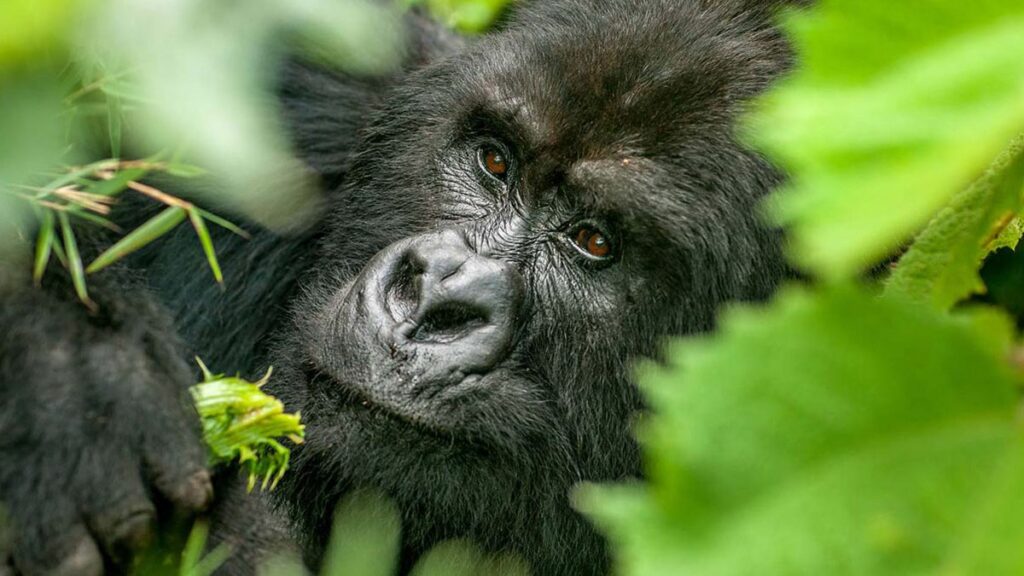
Encounters often feel calm and natural. With fewer visitors on the trails, groups experience less disturbance. Photography benefits from soft forest light, though rain protection for cameras becomes important.
Best Places for Gorilla Trekking in March
Uganda continues to offer two excellent destinations for mountain gorilla trekking during March, each providing a different forest experience.
Bwindi Impenetrable Forest National Park
Bwindi remains the most popular choice due to its large gorilla population and multiple trekking sectors. In March, the forest becomes denser and greener. Some treks may last longer due to slippery trails, but the reward comes through peaceful encounters and reduced visitor pressure.
Trackers adjust routes daily based on gorilla movements, ensuring continued access across all sectors despite changing weather.
Mgahinga Gorilla Nati|onal Park
Mgahinga offers open volcanic slopes and bamboo forests that drain more quickly after rain. March conditions here often feel easier compared to denser forests. Scenic views of the Virunga volcanoes appear frequently between cloud breaks.
This park suits travelers seeking dramatic landscapes and a quieter trekking environment.
Permit Availability and Booking in March
March falls outside peak travel months, which reduces competition for permits. Travelers enjoy greater flexibility in choosing trekking dates and sectors.
Permit availability improves compared to January and February. Booking remains essential, but last-minute arrangements become more realistic. Permit revenue continues to support conservation programs, ranger patrols, and community initiatives around gorilla parks.
Advantages of Gorilla Trekking in March
March offers a balance between access and exclusivity. Fewer tourists mean quieter forests and more personal experiences with gorilla families. Lodges often offer better availability and value during this period.
The forest appears at its most dramatic, with fresh leaves and active birdlife. For travelers who appreciate atmosphere and authenticity, March delivers a rewarding trekking environment.
Challenges to Expect in March
Rain increases physical demand on treks. Muddy trails and wet vegetation require sturdy footwear and careful movement. Humidity may feel higher, especially during longer hikes.
Preparation reduces these challenges significantly. Hiring porters eases physical strain and improves safety on slippery sections.
What to Pack for March Gorilla Trekking
Visitors should pack waterproof hiking boots, gaiters, gloves, and a reliable rain jacket. Quick-drying clothing works better than heavy fabrics. Camera protection remains essential due to sudden showers.
Trekking poles help with balance on muddy slopes. A positive mindset also matters, as rain adds to the forest experience rather than diminishing it.
Responsible Gorilla Trekking in March
Wet conditions increase the importance of following ranger instructions. Maintaining distance, avoiding sudden movements, and respecting trekking time limits protects gorillas from stress and disease.
Smaller visitor numbers help reduce pressure on gorilla families. Responsible behavior ensures conservation goals remain intact even during wetter months.
Plan Your Stay
Planning Uganda gorilla trekking in March requires flexibility and good preparation. Travelers should choose between Bwindi and Mgahinga based on fitness level, scenery preference, and travel routes. Allowing extra time for trekking ensures a relaxed schedule even if hikes take longer.
Working with experienced local operators helps manage permits, logistics, and accommodation choices. A well-planned March trek offers a quieter, more immersive gorilla experience while continuing to support mountain gorilla conservation in Uganda.