Transportation Options for Gorilla Trekkers in Uganda
Transportation shapes the entire gorilla trekking experience in Uganda. The country’s gorilla parks sit in remote, mountainous regions where road conditions, distance, and timing matter as much as permits and accommodation. Choosing the right transport option affects comfort, safety, and whether you arrive rested and ready for an early-morning trek.
This guide explains the main transportation options available to gorilla trekkers in Uganda and how to choose the one that best fits your itinerary and travel style.
Understanding Travel Distances to Gorilla Parks
Uganda’s gorilla trekking takes place mainly in Bwindi Impenetrable National Park and Mgahinga Gorilla National Park. Both parks lie in the far southwest of the country, several hundred kilometers from Entebbe and Kampala.
Because of these distances, transportation planning is not an afterthought. It determines how much time you spend on the road, how fatigued you feel on trekking day, and how smoothly your safari runs overall.
Private 4×4 Safari Vehicles with a Driver-Guide
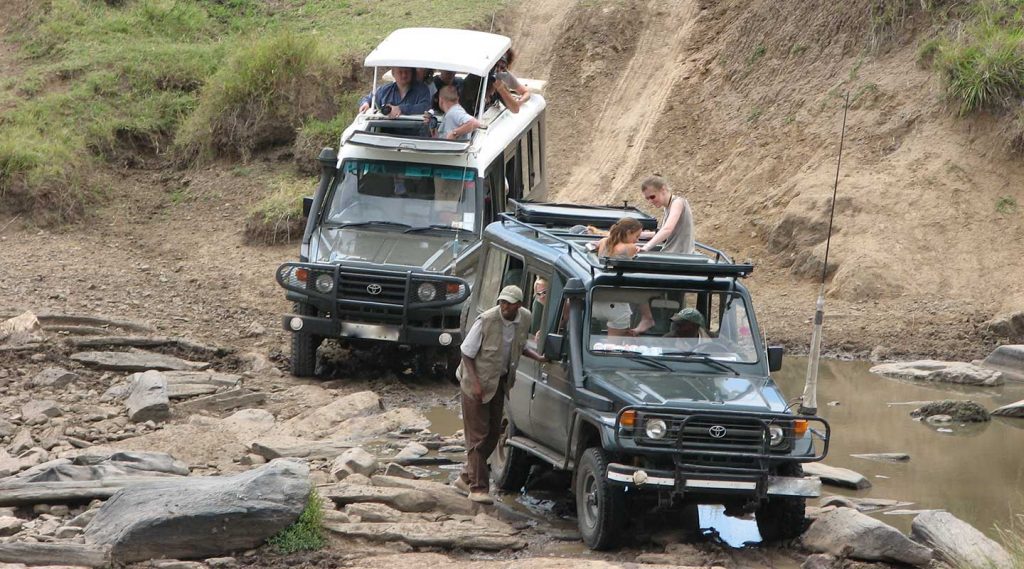
Private four-wheel-drive safari vehicles remain the most common and flexible transport option for gorilla trekkers in Uganda. These vehicles are designed for rough terrain and long distances, offering comfort, reliability, and adaptability.
Traveling with an experienced driver-guide allows for flexible departure times, comfort stops, and route adjustments based on road conditions or weather. The guide also provides local knowledge, assists with park logistics, and ensures you arrive at the correct trekking sector without confusion.
This option suits travelers who want a scenic journey, those combining gorilla trekking with other parks, and visitors who value comfort and local expertise.
Domestic Flights to Gorilla Regions
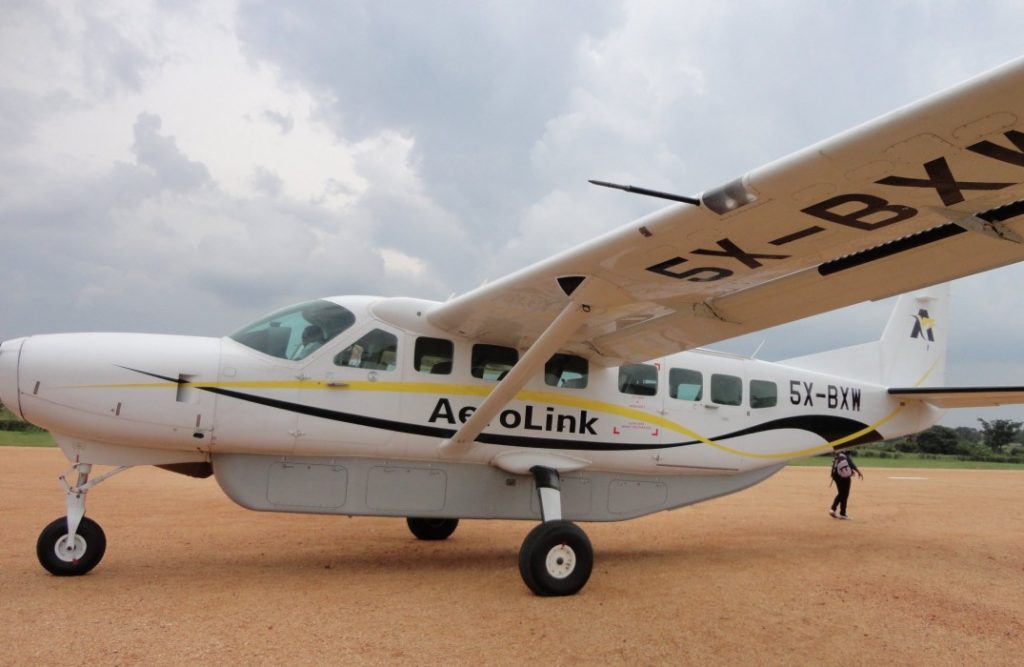
Domestic flights offer the fastest way to reach gorilla trekking areas. Flights depart from Entebbe and land at airstrips close to Bwindi and Mgahinga, dramatically reducing travel time from nearly a full day to about one hour in the air.
Flying works best for travelers on tight schedules, luxury itineraries, or those who prefer to avoid long road journeys. After landing, a road transfer connects you to your lodge near the trekking sector.
Flights operate on small aircraft, and luggage limits apply, so careful packing is required. Despite this, flying provides a smooth and efficient connection to remote gorilla regions.
Self-Drive Transportation
Self-driving to gorilla parks is possible but requires confidence, preparation, and experience with long-distance travel in East Africa. The journey involves extended driving hours, changing road conditions, and navigation through rural areas.
Four-wheel-drive vehicles are essential, and travelers must be comfortable with steep, muddy roads near the parks, especially during rainy seasons. Self-driving suits experienced overland travelers who value independence and have ample time.
For first-time visitors or those on fixed trekking schedules, guided transport usually offers greater reliability and peace of mind.
Public Transport and Why It Is Not Recommended
Public transport reaches towns near gorilla parks but does not provide direct or reliable access to trekking briefing points. Buses and shared taxis operate on fixed schedules and rarely align with early trekking start times.
Using public transport increases the risk of delays, missed briefings, and logistical complications. For gorilla trekking, where permits are costly and time-specific, public transport is generally unsuitable.
Cross-Border Transfers from Rwanda
Many travelers enter Uganda through Rwanda and use private transfers to reach Bwindi or Mgahinga. This option shortens travel time significantly and benefits from Rwanda’s excellent road infrastructure.
Private cross-border transfers allow smooth coordination between border formalities and onward travel, making them ideal for travelers flying into Kigali and trekking gorillas in Uganda.
Seasonal Factors Affecting Transportation
Road conditions change with the seasons. During dry months, travel is smoother and more predictable. In rainy seasons, muddy sections near the parks slow driving and require careful timing.
Professional drivers adjust routes and departure times based on weather, ensuring safe arrival. Flying becomes particularly attractive during heavy rains, as it avoids challenging road conditions altogether.
Matching Transport to Your Trekking Sector
Not all gorilla trekking sectors are equally accessible. Some require longer or steeper drives than others. Transport planning must align with your specific permit location to avoid unnecessary early-morning travel.
Staying close to the correct sector and choosing transport that supports timely arrival reduces stress and conserves energy for the trek itself.
Comfort, Safety, and Fatigue Management
Long journeys affect physical readiness. Arriving exhausted reduces enjoyment and makes trekking more demanding. Transport choices should prioritize rest, safety, and pacing, especially for older travelers or those trekking for the first time.
Breaking long road journeys with overnight stops or combining flights with shorter drives improves overall comfort.
Plan Your Safari With Us
Transportation planning is central to a successful gorilla trek. We select the most suitable transport option based on your itinerary, trekking sector, season, and comfort preferences. From private safari vehicles to domestic flights and cross-border transfers, we coordinate every detail to ensure smooth, reliable travel.
Enquire now and let us plan a gorilla safari where transportation supports comfort, timing, and an unforgettable trekking experience from start to finish.