Top Eco-Adventure Tours in East Africa for 2026
Eco-adventure travel in East Africa has moved beyond simple sightseeing. In 2026, the region stands at the forefront of responsible, experience-driven tourism, where conservation, culture, and adventure connect naturally. Travelers no longer come only to see wildlife. They come to understand landscapes, support communities, and take part in journeys that leave a positive footprint.
From misty gorilla forests to volcanic summits and great lakes, East Africa offers eco-adventure tours that feel immersive, meaningful, and deeply human.
Gorilla Trekking Safaris in Uganda and Rwanda
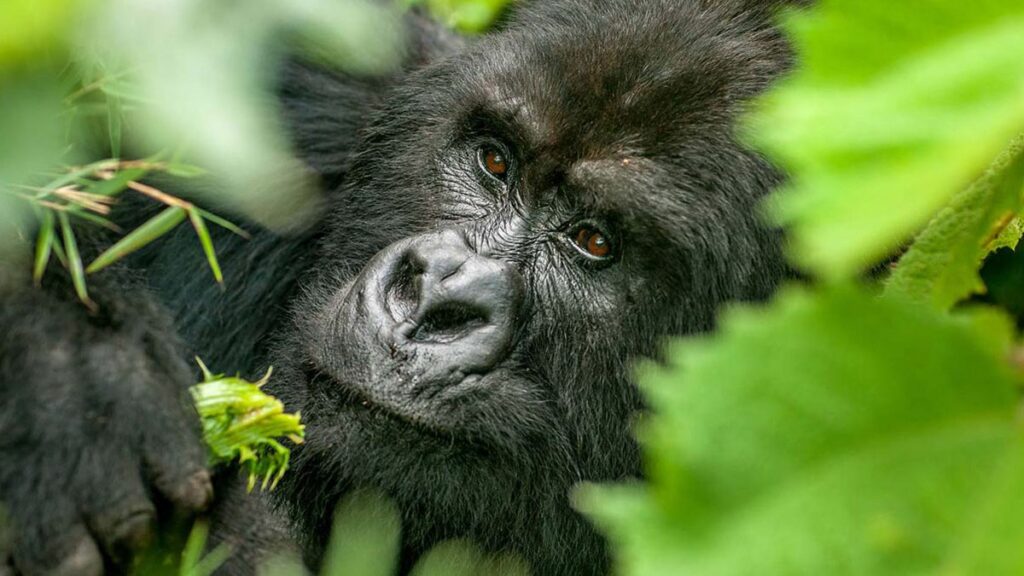
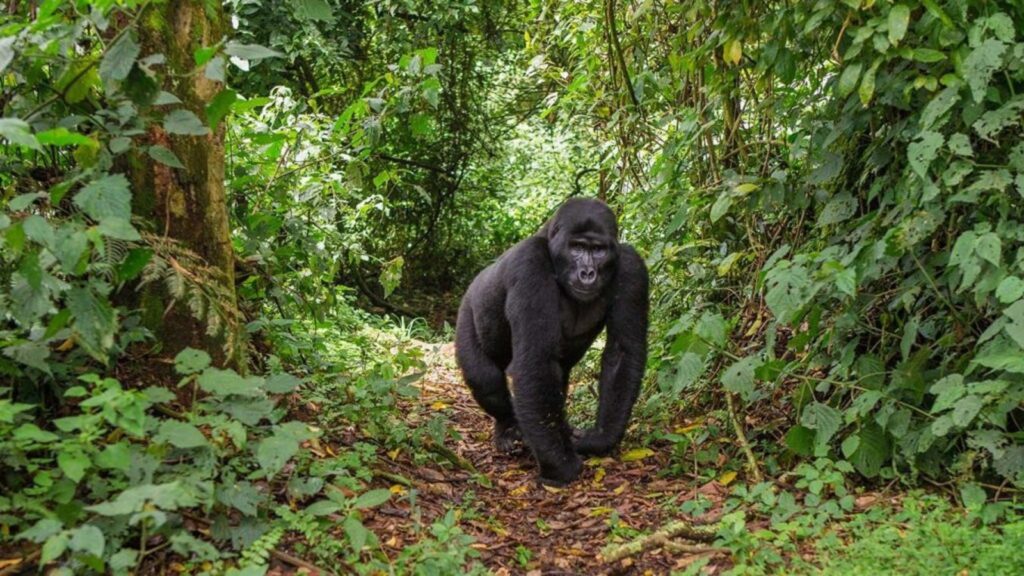
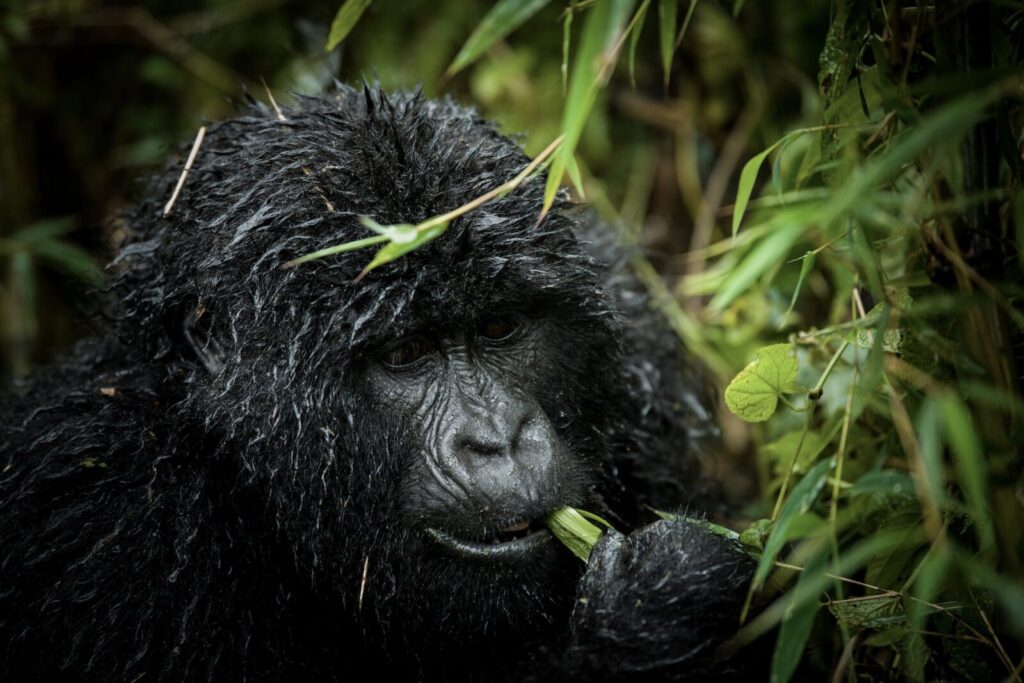
Few eco-adventures match the emotional depth of gorilla trekking in Bwindi Impenetrable National Park and Volcanoes National Park. These forests protect the world’s remaining mountain gorillas and operate under strict conservation rules that limit visitor numbers and prioritize animal welfare.
In 2026, eco-focused gorilla safaris increasingly combine trekking with community experiences such as cultural trails, village walks, and conservation projects. Travelers hike through dense forest, spend a regulated hour with a gorilla family, and return with a deeper understanding of coexistence between people and wildlife.
These journeys suit travelers seeking emotional impact rather than speed.
Chimpanzee Tracking and Forest Adventures
Chimpanzee tracking offers a faster, more energetic primate experience. In western Uganda, Kibale National Park remains the leading destination for eco-adventure travelers interested in primate behavior and forest ecology.
Treks move through fig trees and forest canopy filled with sound and motion. Chimps communicate loudly, move quickly, and display complex social behavior. Many 2026 itineraries combine chimpanzee tracking with guided nature walks, crater lake hikes, and community-led experiences that highlight forest conservation.
This eco-adventure suits travelers who enjoy active exploration and biodiversity learning.

Volcano Hiking and Extreme Eco-Adventures
For travelers drawn to challenge and raw landscapes, volcano trekking defines the edge of eco-adventure travel. Hiking Mount Nyiragongo in the Congo remains one of Africa’s most dramatic experiences. Standing above a glowing lava lake connects geology, conservation, and adventure in a single moment.
In Rwanda, hiking Mount Karisimbi and Mount Bisoke offers high-altitude trekking through bamboo forests and alpine zones. These volcano hikes emphasize physical endurance, environmental respect, and strong ranger support.
In 2026, these tours continue to attract experienced adventurers seeking depth rather than comfort.
Great Lakes Eco-Adventures: Lake Kivu and Lake Mutanda
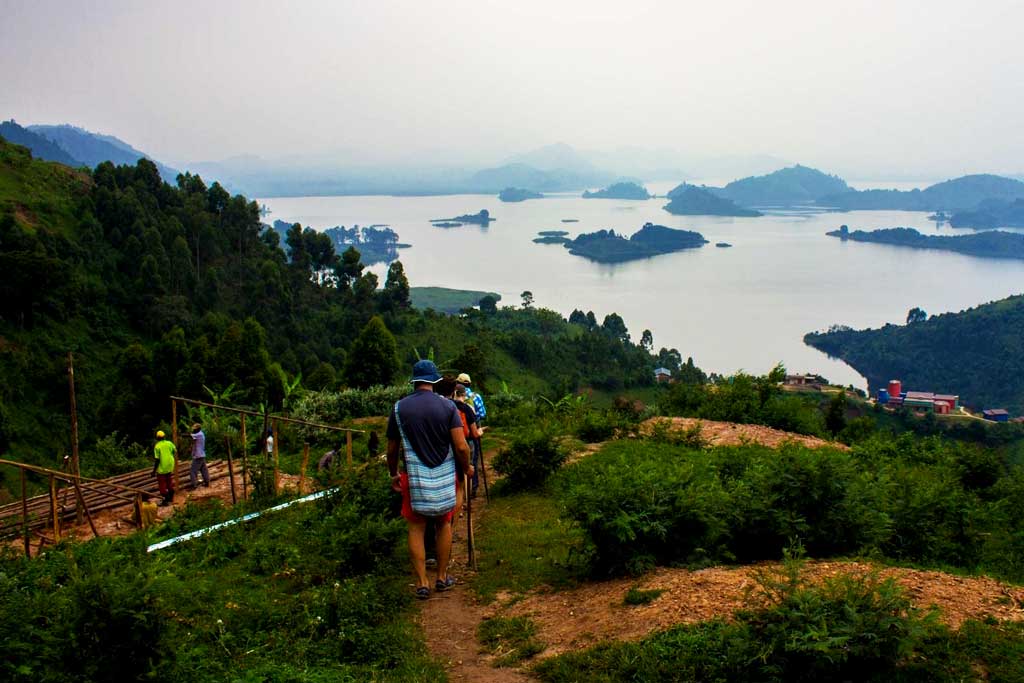
East Africa’s great lakes provide balance to physically demanding adventures. Lake Kivu offers kayaking, cycling, fishing village visits, and slow travel experiences that reveal everyday life along the water.
In southwestern Uganda, Lake Mutanda supports canoeing between islands, nature walks, and community-guided experiences framed by the Virunga volcanoes.
These eco-adventures focus on calm, connection, and cultural immersion rather than adrenaline.
Walking Safaris and Conservation-Based Game Viewing
Walking safaris continue to grow in popularity among eco-conscious travelers. In savannah parks such as Akagera National Park and parts of Kenya and Tanzania, guided walking safaris allow travelers to explore landscapes at human pace.
These experiences emphasize tracking skills, plant knowledge, and ecological awareness. Guides explain how ecosystems function rather than focusing solely on big wildlife sightings.
For 2026, many operators pair walking safaris with community conservation visits and ranger-led education programs.
Mountain Trekking and High-Altitude Adventures
High-altitude eco-adventures remain central to East Africa’s appeal. Trekking Mount Kilimanjaro and Mount Kenya continues to draw travelers seeking physical challenges paired with environmental awareness.
Responsible operators now emphasize waste reduction, fair porter treatment, and ecosystem protection. Treks focus on acclimatization, safety, and cultural respect rather than speed.
In 2026, these climbs increasingly attract travelers who value ethical adventure over achievement alone.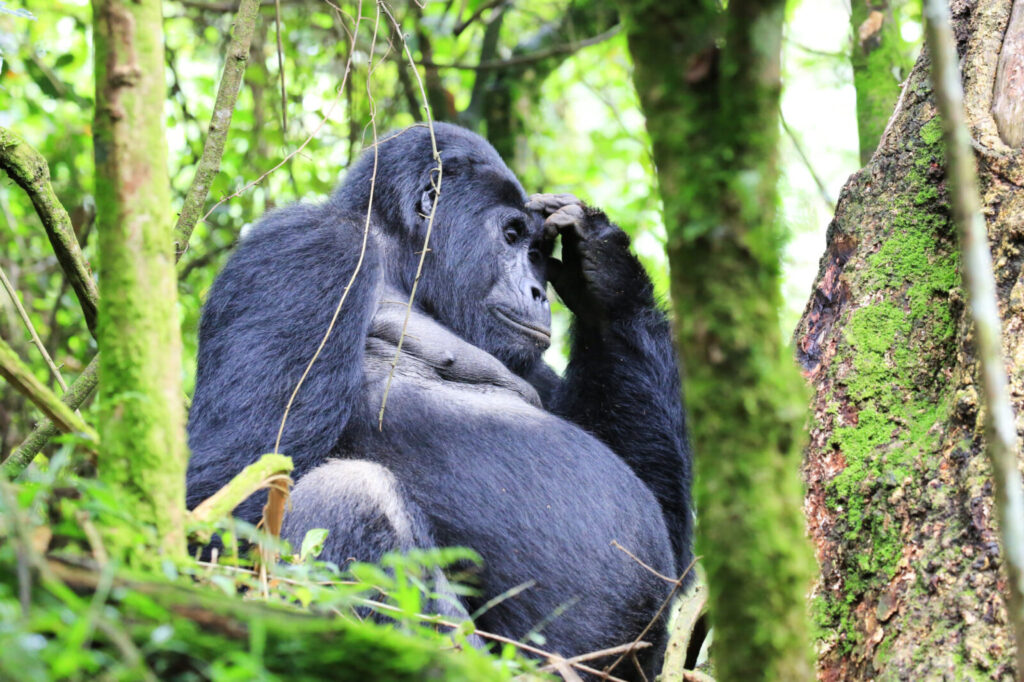
Community-Led Cultural Eco-Adventure
s
Community tourism has become a core pillar of eco-adventure travel. In Uganda and Rwanda, experiences such as the Batwa Trail, village homestays, coffee tours, and cultural villages place people at the center of the journey.
These tours allow travelers to learn directly from local hosts while supporting education, healthcare, and livelihoods. Eco-adventure here means engagement, not observation.
For many travelers, these moments become the most memorable part of the trip.
Why 2026 Is a Strong Year for Eco-Adventure Travel
East African governments and conservation partners continue to strengthen sustainable tourism frameworks. Visitor caps, conservation funding, and community partnerships remain central to planning.
Travelers in 2026 benefit from improved guiding standards, better infrastructure, and deeper community involvement without sacrificing authenticity. Eco-adventure tours now feel refined but grounded.
This balance defines modern East African travel.
Choosing the Right Eco-Adventure Tour
The best eco-adventure tours prioritize fewer destinations, longer stays, and meaningful engagement. Rushing between parks reduces impact and understanding.
Working with operators who demonstrate clear conservation and community commitments ensures that travel benefits extend beyond the visitor.
Eco-adventure travel rewards intention.
Final Reflection
Top eco-adventure tours in East Africa for 2026 are not defined by thrill alone. They are defined by connection, responsibility, and transformation.
These journeys challenge the body, engage the mind, and expand perspective. They remind travelers that adventure and conservation thrive best together.