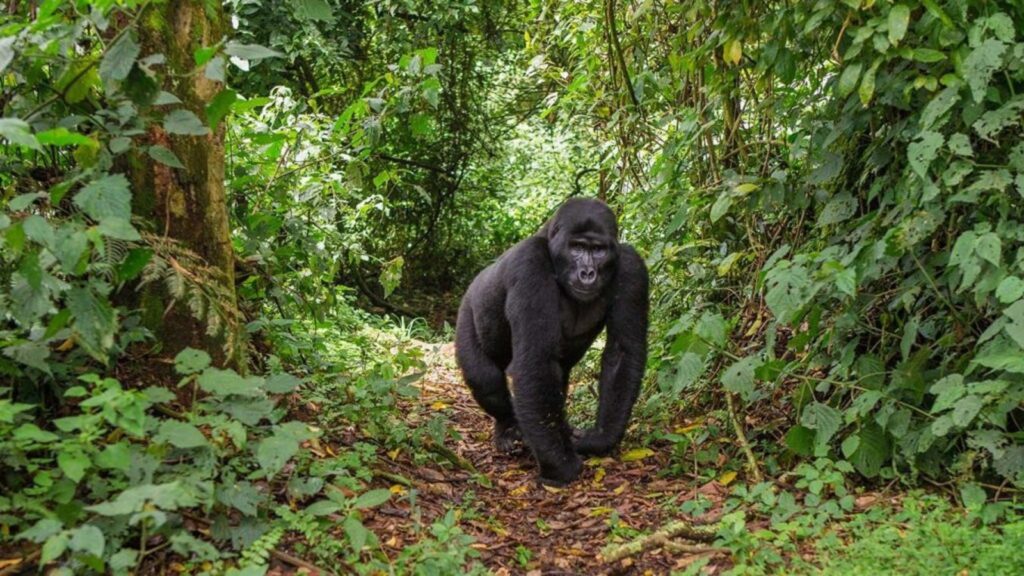
Tipping and Gift-Giving Etiquette in Gorilla Regions
Tipping and gift-giving often cause uncertainty for travelers visiting gorilla regions. Many visitors want to show appreciation but worry about doing the wrong thing or creating awkward situations. In Uganda and Rwanda, tipping is appreciated but not forced, while gift-giving requires thought and cultural sensitivity. Understanding how these practices work helps you express gratitude respectfully without creating dependency or discomfort.
This guide explains tipping and gift-giving etiquette clearly and responsibly for travelers visiting gorilla trekking destinations.

Understanding the Role of Tipping in Uganda and Rwanda
Tipping in Uganda and Rwanda is not mandatory, but it is widely appreciated within the tourism industry. Many people working in gorilla tourism rely on tips as a meaningful supplement to their income, especially guides, porters, drivers, and lodge staff. Tipping is seen as a gesture of appreciation rather than an obligation or entitlement.
In gorilla regions near Bwindi Impenetrable National Park and Volcanoes National Park, tipping has become a normal part of visitor culture due to international tourism. However, it remains flexible and personal rather than rigidly structured.
Tipping Rangers, Guides, and Porters During Gorilla Treks
Gorilla trekking involves a team of professionals who ensure safety, conservation compliance, and overall experience quality. Rangers and guides are government employees, and while they receive salaries, tips are still welcomed as a sign of appreciation for exceptional service. Porters, who assist trekkers by carrying bags and helping on steep terrain, often rely more directly on tips as part of their livelihood.
Tipping usually takes place after the trek, once the experience is complete. It is best done discreetly and respectfully, often through designated tipping boxes at park headquarters or via your guide, rather than drawing attention in public settings.
Tipping Lodge Staff and Drivers
Lodge staff work long hours to ensure comfort, hygiene, and smooth operations, especially in remote areas. Tipping at lodges is generally pooled and shared among staff rather than given to individuals. Many lodges provide a central tipping box where guests can contribute at the end of their stay.
Drivers and tour guides who accompany you throughout the safari often build close working relationships with travelers. Tipping them at the end of the journey reflects appreciation for consistent service, safe driving, and local knowledge shared along the way.
Cultural Sensitivity Around Gift-Giving
Gift-giving requires more caution than tipping. While generosity is appreciated, unplanned or direct gifts can create unintended problems, especially in rural communities. Giving money or gifts directly to children is strongly discouraged, as it can encourage begging and disrupt community dynamics.
In communities near gorilla parks, including Batwa areas, gifts should only be given through structured programs or community leaders who ensure fair distribution. Responsible giving supports dignity rather than dependency.
Appropriate and Inappropriate Gifts
If you wish to give gifts, practical and community-oriented items work best when arranged through trusted channels. School supplies, medical items, or support for community projects are usually welcomed when coordinated properly. Personal items such as sweets, clothing, or cash handed out spontaneously often cause more harm than good.
Travelers should avoid gifting used personal items unless specifically requested through an organized program. Intent matters, but impact matters more.
When Not to Tip or Give Gifts
Travelers should never feel pressured to tip or give gifts beyond their comfort level. Tipping should reflect genuine satisfaction, not guilt or obligation. If service does not meet expectations, it is acceptable to adjust or decline tipping respectfully.
Gift-giving should never be used to compensate for uncomfortable interactions or emotional responses. Presence, respect, and listening are often more valuable than material items.
The Role of Your Guide and Tour Operator
Guides and tour operators provide valuable advice on tipping and gifting norms. They understand local expectations and help travelers navigate these practices responsibly. Asking for guidance before your trek or community visit ensures your actions align with local customs and ethical tourism principles.
Operators also help channel contributions toward programs that benefit communities sustainably.
Avoiding Common Mistakes Travelers Make
One common mistake is treating tipping as a fixed rule rather than a flexible gesture. Another is assuming generosity must be visible or immediate. Quiet, respectful appreciation aligns better with local culture than public displays.
Understanding context prevents awkward moments and strengthens mutual respect.
Gratitude Beyond Money and Gifts
Respectful behavior, patience, and kind words carry significant weight. Thanking people sincerely, showing interest in their work, and acknowledging effort often matter as much as financial gestures. In many cases, these interactions leave a lasting positive impression.
Plan Your Safari With Us
Navigating tipping and gift-giving etiquette becomes easy with proper guidance. We brief our travelers in advance, advise on appropriate practices, and ensure contributions support conservation and community well-being. Our approach helps you express appreciation confidently and respectfully throughout your journey.
Enquire now and let us plan a gorilla safari where gratitude, respect, and responsibility guide every interaction.