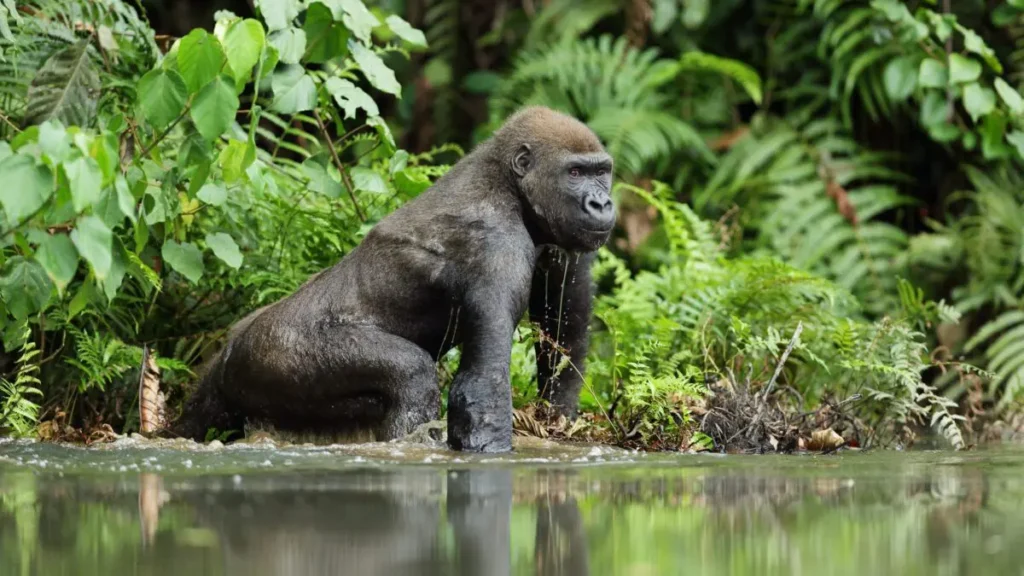
Sunscreen Gorilla Trekking: Why You Need Sun Protection on Your Gorilla Safari
Many travelers preparing for a gorilla safari focus on hiking boots, rain jackets, permits, and insect repellent while overlooking an equally important item—sunscreen. Although gorilla trekking takes place in rainforest environments, proper sunscreen gorilla trekking protection remains essential throughout your adventure.
A common misconception is that dense forest cover eliminates the risk of sun exposure. In reality, trekkers spend time outside before and after the trek, during briefing sessions, on open trails, and while traveling between safari destinations. At the high elevations where mountain gorillas live, ultraviolet (UV) radiation can be stronger than many visitors expect.
Whether you are planning to trek in Bwindi Impenetrable National Park, Mgahinga Gorilla National Park, Volcanoes National Park, or Virunga National Park, sunscreen should be part of your essential packing list.
This guide explains why sunscreen matters during gorilla trekking, how to choose the right product, and how to use it effectively during your safari.
Do You Really Need Sunscreen for Gorilla Trekking?
The simple answer is yes.
While large portions of a gorilla trek take place beneath forest canopies, trekkers still experience significant sun exposure throughout the day. Briefing areas, lodge grounds, mountain slopes, roads, and open sections of the trail often expose visitors to direct sunlight.
High-altitude environments can increase UV intensity.
Cloudy weather does not completely block ultraviolet rays either.
Many travelers become sunburned without realizing they have been exposed.
Proper sunscreen helps prevent this problem.
Why Sun Exposure Is Stronger in Gorilla Habitats
Mountain gorillas inhabit forests located at elevations ranging from approximately 2,200 to over 4,000 meters above sea level.
As elevation increases, the atmosphere becomes thinner, allowing more UV radiation to reach the ground.
This means that even when temperatures feel cool, sun exposure can remain significant.
Travelers often underestimate this effect.
The result can be unexpected sunburn and skin irritation.
Benefits of Using Sunscreen During Gorilla Trekking
Prevents Sunburn
Sunburn can occur even during short periods of exposure.
Applying sunscreen helps protect exposed skin from harmful UV rays.
This protection is particularly important for the face, neck, ears, and hands.
Reduces Skin Damage
Regular sunscreen use helps reduce long-term skin damage associated with ultraviolet radiation.
Even during a short safari, protecting your skin is worthwhile.
Improves Comfort
Sunburn can become uncomfortable and distracting.
Using sunscreen allows you to focus on enjoying your gorilla trekking experience.
Comfort contributes significantly to a memorable safari.
Complements Other Protective Clothing
Sunscreen works alongside hats, long sleeves, and sunglasses to provide comprehensive sun protection.
A layered approach offers the best results.
Choosing the Best Sunscreen Gorilla Trekking
Select Broad-Spectrum Protection
Broad-spectrum sunscreen protects against both UVA and UVB rays.
This type of protection is generally recommended for outdoor activities.
Look for products that clearly indicate broad-spectrum coverage.
Choose an Appropriate SPF
Many travelers select sunscreen with SPF 30 or higher.
Higher SPF products provide additional protection during extended outdoor exposure.
The right SPF often depends on skin type and personal preference.
Water and Sweat Resistance
Gorilla trekking can be physically demanding.
Sweating is common during hikes, especially on steep terrain.
A water-resistant sunscreen helps maintain protection for longer periods.
This feature is particularly useful during active outdoor adventures.
Comfortable Formula
Choose a sunscreen that feels comfortable on your skin.
Options include:
Lotions.
Creams.
Sprays.
Gels.
Travelers should select products they are comfortable applying and reapplying.
How to Apply Sunscreen Correctly
Effective sunscreen use involves proper application.
Apply sunscreen before leaving your lodge or accommodation.
Cover all exposed skin, including:
Face.
Neck.
Ears.
Hands.
Arms.
Any other exposed areas.
Allow the product time to absorb before beginning outdoor activities.
Reapply as recommended on the product label, particularly after sweating heavily.
Should You Wear Sunscreen Under Cloudy Skies?
Yes.
Cloud cover does not eliminate UV exposure.
Ultraviolet rays can penetrate clouds and still affect the skin.
Many cases of sunburn occur on overcast days because people assume protection is unnecessary.
Consistent sunscreen use remains the best approach.
Sunscreen and Gorilla Trekking Clothing
Long-Sleeved Shirts
Long sleeves provide physical protection against sunlight.
They also protect against insects and vegetation.
Wide-Brimmed Hats
A hat shields the face, neck, and scalp from direct sunlight.
Many guides recommend wearing one during gorilla trekking.
Sunglasses
Quality sunglasses protect the eyes from UV radiation.
They can also improve comfort in bright conditions.
Long Trousers
Long trousers help protect the legs while trekking through vegetation and sunny areas.
Together, these items complement sunscreen effectively.
Gorilla Trekking Destinations and Sun Protection
Bwindi Impenetrable National Park
Bwindi Impenetrable National Park features dense rainforest but also includes open areas where sun exposure occurs.
Sunscreen remains useful throughout the safari.
Mgahinga Gorilla National Park
Mgahinga Gorilla National Park sits at high elevations where UV exposure can be stronger than expected.
Volcanoes National Park
Volcanoes National Park includes volcanic landscapes and open sections where sunscreen provides valuable protection.
Virunga National Park
Virunga National Park presents similar high-altitude conditions that make sun protection important.
Common Sunscreen Mistakes to Avoid
Assuming the Forest Provides Complete Protection
Forest cover reduces direct sunlight but does not eliminate UV exposure.
Open areas and travel time still expose trekkers to the sun.
Forgetting to Reapply
Sunscreen effectiveness decreases over time.
Follow reapplication instructions when necessary.
Ignoring Ears and Neck
Many people focus only on the face.
Ears and neck are among the most frequently sunburned areas.
Bringing Sunscreen in Checked Luggage Only
Keep sunscreen accessible during travel and trekking activities.
Easy access encourages consistent use.
Sunscreen and Sensitive Skin
Travelers with sensitive skin should test sunscreen products before their trip.
Choosing a product that works well with your skin reduces the risk of irritation during the safari.
It is always better to discover sensitivities at home rather than in a remote trekking destination.
Other Essential Gorilla Trekking Gear
In addition to sunscreen, your packing list should include:
Hiking boots.
Rain jacket.
Long-sleeved shirt.
Long trousers.
Gardening gloves.
Daypack.
Insect repellent.
Water bottle.
Energy snacks.
Camera.
Extra socks.
Together, these items provide comfort and protection throughout your adventure.
Can You Buy Sunscreen in Uganda or Rwanda?
Yes.
Sunscreen is available in major cities and tourist areas in both Uganda and Rwanda.
However, travelers may not always find their preferred brands or formulations.
Bringing your own sunscreen ensures you have a product you trust and use regularly.
It also eliminates last-minute shopping concerns.
Conclusion
Using sunscreen gorilla trekking protection is a simple yet important part of preparing for a mountain gorilla safari. Despite the rainforest setting, trekkers often experience significant UV exposure due to high elevations, open terrain, and time spent outdoors before and after the trek.
A quality broad-spectrum sunscreen, combined with protective clothing and a hat, helps prevent sunburn, reduces skin damage, and improves overall comfort. Whether you are trekking in Uganda, Rwanda, or the Democratic Republic of the Congo, sunscreen deserves a place on every gorilla trekking packing list.
Protecting your skin allows you to focus on what truly matters—an unforgettable encounter with one of the world’s most remarkable wildlife species.