Responsible Travel Tips for Gorilla Trekkers
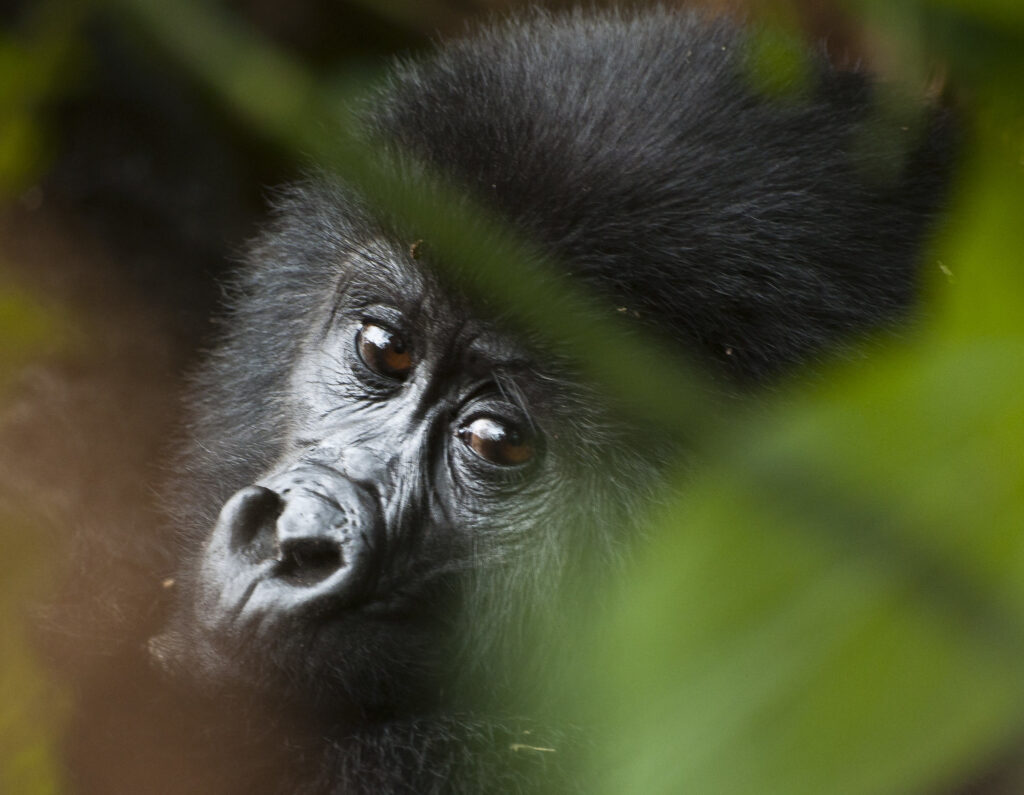
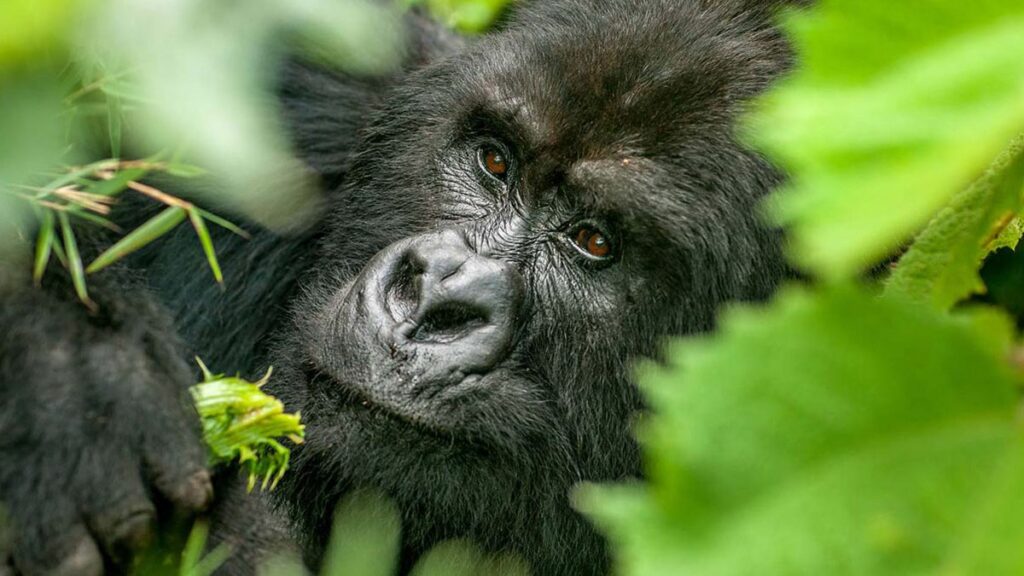
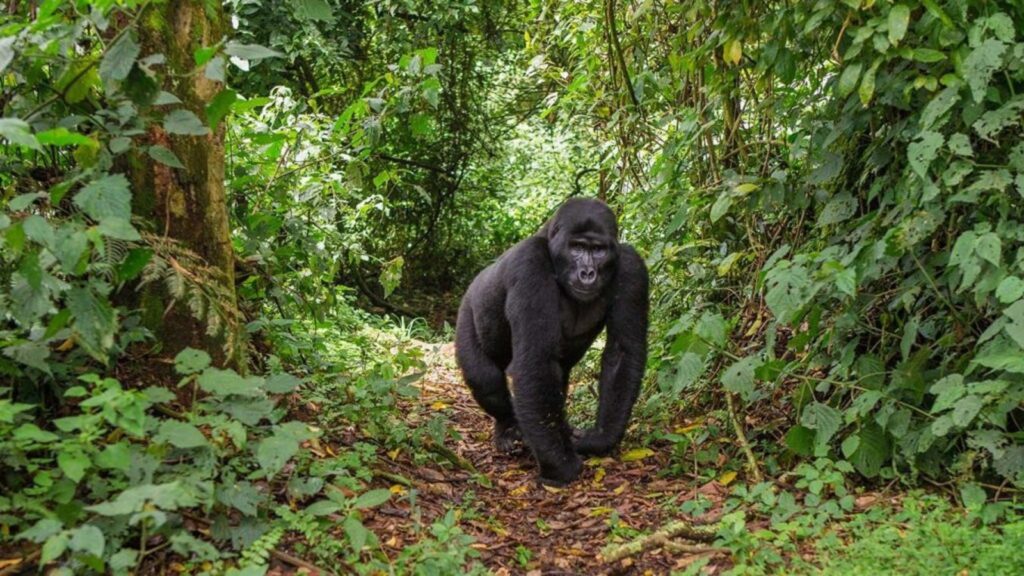
Responsible gorilla trekking tips. Gorilla trekking stands among the most powerful wildlife experiences on Earth. Meeting mountain gorillas in their natural forest habitat creates deep emotional impact, but it also comes with responsibility. Every visitor plays a direct role in protecting these endangered primates, supporting conservation, and respecting the communities that share their landscape. Responsible travel ensures that gorilla trekking remains sustainable for future generations.
Why Responsible Travel Matters in Gorilla Trekking
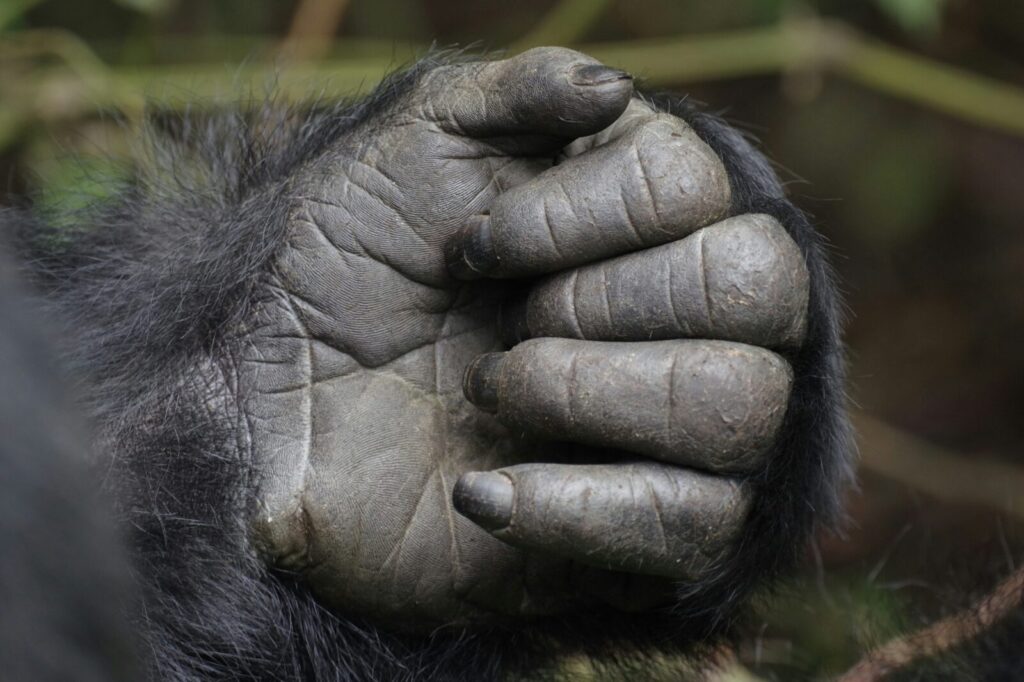
Mountain gorillas share over 98 percent of human DNA, which makes them highly vulnerable to human illnesses and stress. Even small actions, such as standing too close or ignoring park rules, can place an entire gorilla family at risk. Responsible travel protects gorillas from disease, preserves their forest habitat, and supports ranger teams and local communities that depend on conservation-based tourism.
Follow All Park Rules Without Exception
Park regulations exist to safeguard both gorillas and trekkers. Rangers provide detailed briefings before each trek, and these instructions must guide every movement in the forest. Keeping a safe distance, avoiding sudden movements, and following ranger guidance ensures calm encounters and reduces stress on the gorillas. Responsible trekkers understand that these rules are not optional and never negotiable.
Maintain a Safe Distance from Gorillas
Keeping at least seven meters away from gorillas limits disease transmission and prevents behavioral disturbance. If a gorilla moves closer, trekkers should remain still and follow ranger instructions. Responsible behavior prioritizes the gorillas’ comfort over photography or personal excitement. Respecting space allows natural behaviors to continue undisturbed.
Protect Gorillas from Human Illness
Even mild human illnesses can be fatal to gorillas. Trekkers who feel unwell should postpone their trek rather than risk exposure. Covering the mouth when coughing or sneezing and turning away from gorillas reduces the chance of airborne transmission. Responsible travel begins with honesty about personal health and respect for wildlife safety.
Avoid Flash Photography and Loud Behavior
Gorillas react strongly to sudden light and noise. Flash photography startles them and can trigger defensive behavior. Speaking softly, avoiding sudden movements, and keeping cameras silent create a calm environment. Responsible trekkers focus on observation rather than intrusion, allowing gorillas to remain relaxed and natural.
Stay on Designated Trails
Forest trails exist to protect delicate vegetation and prevent habitat degradation. Straying off paths damages plants that gorillas rely on for food and shelter. Responsible trekking preserves the ecosystem by minimizing human footprint and maintaining the integrity of the forest.
Respect Rangers and Trackers
Rangers and trackers dedicate their lives to gorilla protection. Following their guidance shows respect for their expertise and ensures safety. Responsible travelers listen carefully, ask relevant questions, and trust ranger decisions throughout the trek. Their knowledge keeps both people and wildlife safe.
Support Local Communities Respectfully
Communities living near gorilla parks play a vital role in conservation. Buying locally made crafts, respecting cultural norms, and engaging politely with residents strengthens positive relationships. Responsible travel recognizes that conservation succeeds when local people benefit directly from tourism.
Minimize Environmental Impact
Responsible gorilla trekkers leave no trace. Carrying out all waste, including biodegradable items, keeps forests clean and safe for wildlife. Using refillable water bottles and avoiding plastic reduces pollution. Every small action contributes to long-term environmental protection.
Choose Ethical and Conservation-Focused Travel Planning
Responsible gorilla trekking supports conservation funding through permits and park fees. These funds finance ranger patrols, veterinary care, habitat protection, and community projects. Ethical travel planning ensures that tourism revenue directly supports gorilla survival rather than harming it.
The Long-Term Impact of Responsible Gorilla Trekking
Responsible travel creates a positive cycle where conservation thrives, communities benefit, and gorillas remain protected. Each trekker becomes part of the solution by respecting wildlife, supporting local livelihoods, and preserving fragile ecosystems. Gorilla trekking is not only a privilege but a shared responsibility.