Responsible Etiquette Around Gorillas.
Mountain gorillas live in fragile habitats and respond to human behavior. Every trekker holds a responsibility to protect these gentle giants. Responsible etiquette ensures safe interaction and supports conservation. When you follow these guidelines, you help keep gorilla families healthy and relaxed.
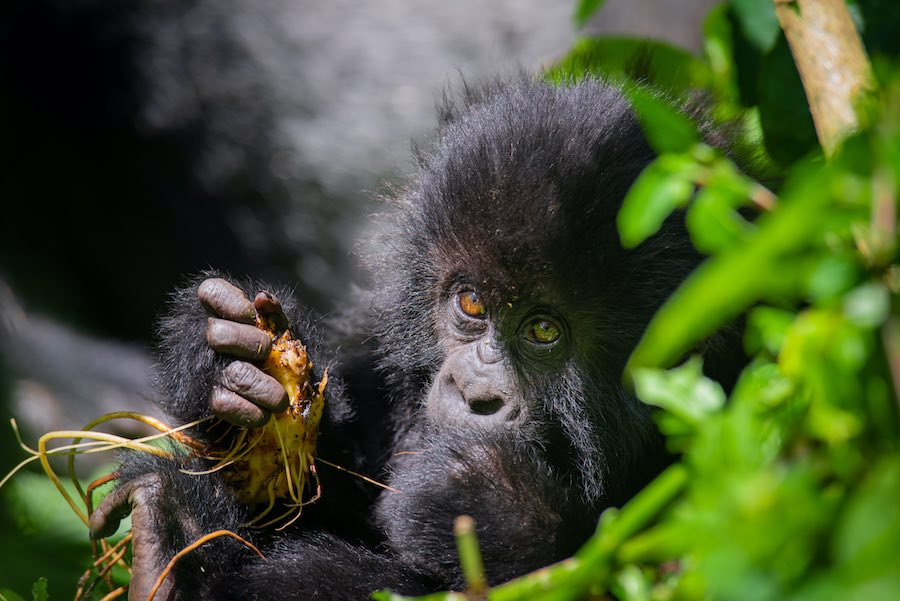
Why Etiquette Matters
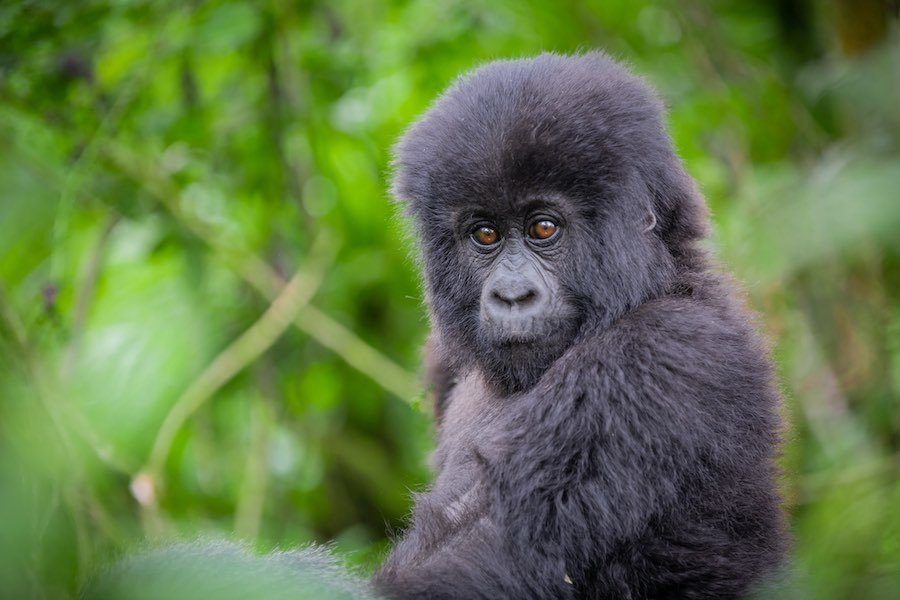
Gorillas share close genetic ties with humans. They catch diseases easily and react quickly to unfamiliar behavior. Responsible conduct reduces stress, protects their health, and keeps the forest peaceful. Your actions influence the entire trekking experience.
Maintain a Safe Viewing Distance
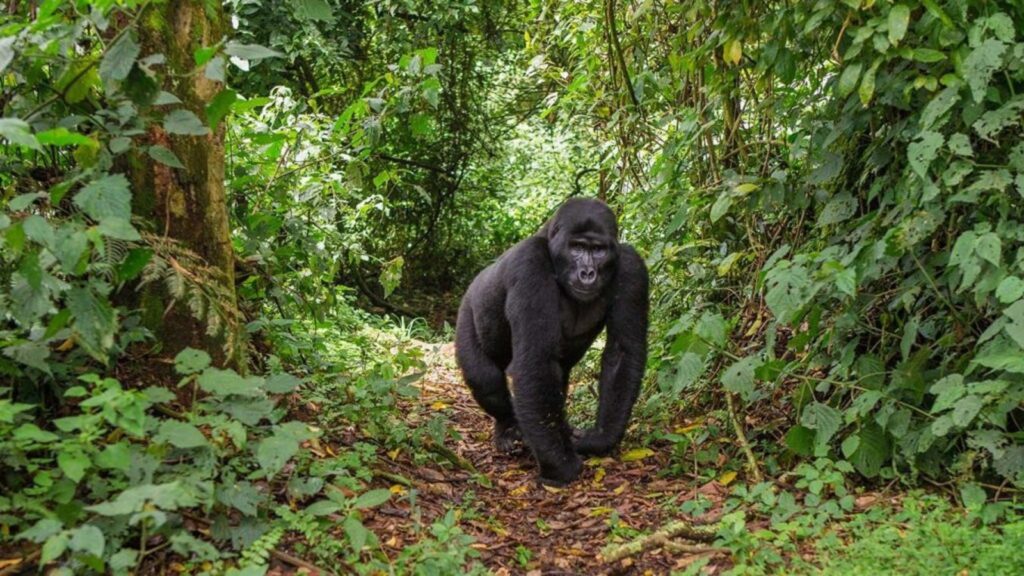
Rangers advise trekkers to keep a 7–10 meter distance from gorillas. This space protects gorillas from human germs and prevents crowding. Gorillas feel comfortable when you respect their territory. The distance also keeps encounters natural and calm.
Move Calmly and Slowly
Sudden movements startle gorillas. Slow steps help you blend into the environment. Gentle movements show gorillas that you mean no harm. Rangers guide your pace so the gorilla family feels safe.
Keep Your Voice Low
Gorillas prefer quiet environments. Soft voices preserve the forest’s calm atmosphere. Loud conversations disturb their feeding, grooming, and resting. Quiet observation creates a respectful connection with the gorilla family.
Avoid Direct Eye Contact
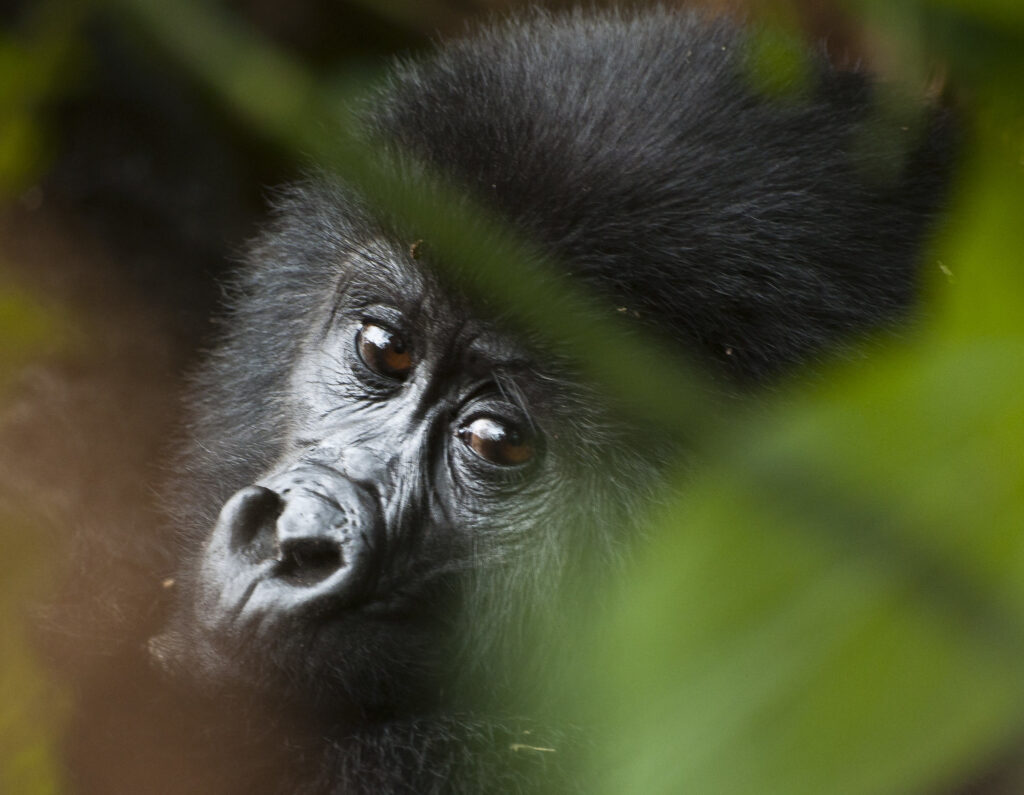
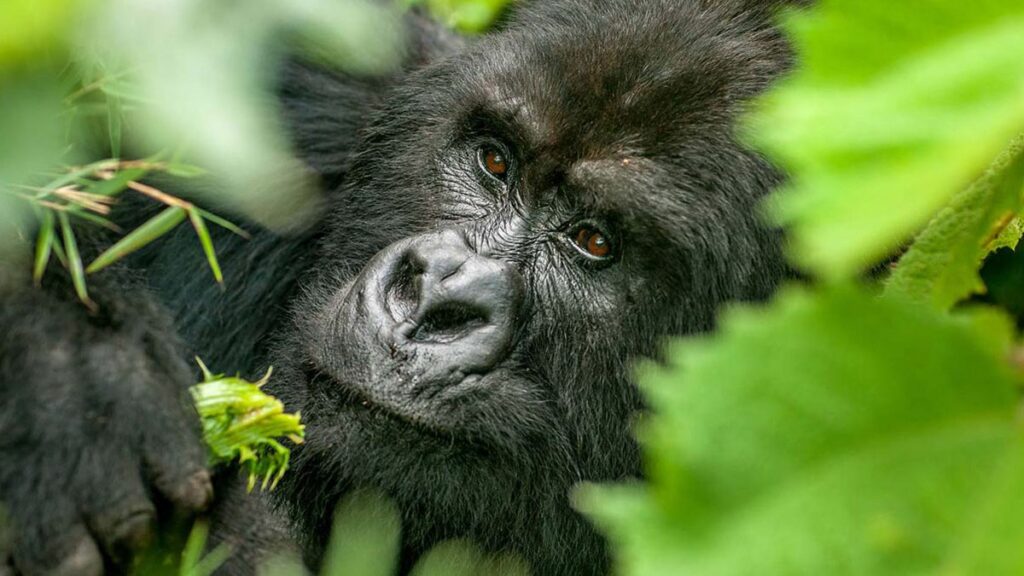
Gorillas may interpret direct eye contact as a challenge. Look at them indirectly. This small gesture helps them feel relaxed and secure. Respectful body language creates harmony in the interaction.
Never Touch the Gorillas
Gorillas may move close to you, but keep your hands still. Touching exposes them to diseases and disrupts natural behavior. Step back gently when a gorilla approaches too closely. Rangers assist you when needed.
Do Not Eat or Drink Near Gorillas
Food smells attract gorillas and disrupt their natural habits. Keep snacks and drinks inside your bag. Eat only during designated breaks away from the gorilla family. This practice protects gorillas from unfamiliar food and prevents risky interactions.
Follow Ranger Instructions
Rangers understand gorilla behavior and forest conditions. Their guidance ensures safety for trekkers and wildlife. Follow their directions on movement, spacing, and positioning. They protect you and the gorilla family throughout the encounter.
Keep Cameras Flash-Free
Flash photography frightens gorillas. Turn off the flash before you reach the group. Natural light captures better photographs and keeps the gorillas calm. Hold the camera steady and avoid sudden gestures.
Stay in Your Group
Your group moves as one unit. Straying disrupts the gorilla family and puts you at risk. Stick close to the ranger and maintain the same pace. This discipline keeps the trek safe and organized.
Respect Gorilla Behavioral Signs
Gorillas communicate with chest beats, grunts, and posture. When a silverback signals dominance, stay still and avoid eye contact. Rangers explain these signals during the briefing. Understanding behavior strengthens your confidence during the trek.
Stay Healthy Before Trekking
Do not trek when you feel sick. Gorillas catch human illnesses easily. Staying away protects their entire family. Health screening at the start of the trek ensures safe interactions.
Plan a Respectful Gorilla Trek
Responsible etiquette protects gorillas and elevates your experience in Volcanoes National Park. When you move with care, the forest opens its beauty and the gorilla families remain safe.
For gorilla permits, guided treks, and lodge bookings, inquire and book with us at https://www.gorilla-permits.com.