Reforestation Efforts Around Volcanoes National Park
Reforestation around Volcanoes National Park carries deep importance for the future of Rwanda’s mountain gorillas. The Virunga Mountains once suffered heavy pressure from agriculture, growing populations, and land use that pushed forests back and reduced habitat for wildlife. Rwanda responded with ambitious restoration programs that rebuild forest cover, reconnect fragmented areas, and strengthen the ecological health of the region. These efforts protect gorilla families, enrich community life, and preserve the natural beauty that draws visitors from across the world.
Restoring Natural Habitat for Mountain Gorillas
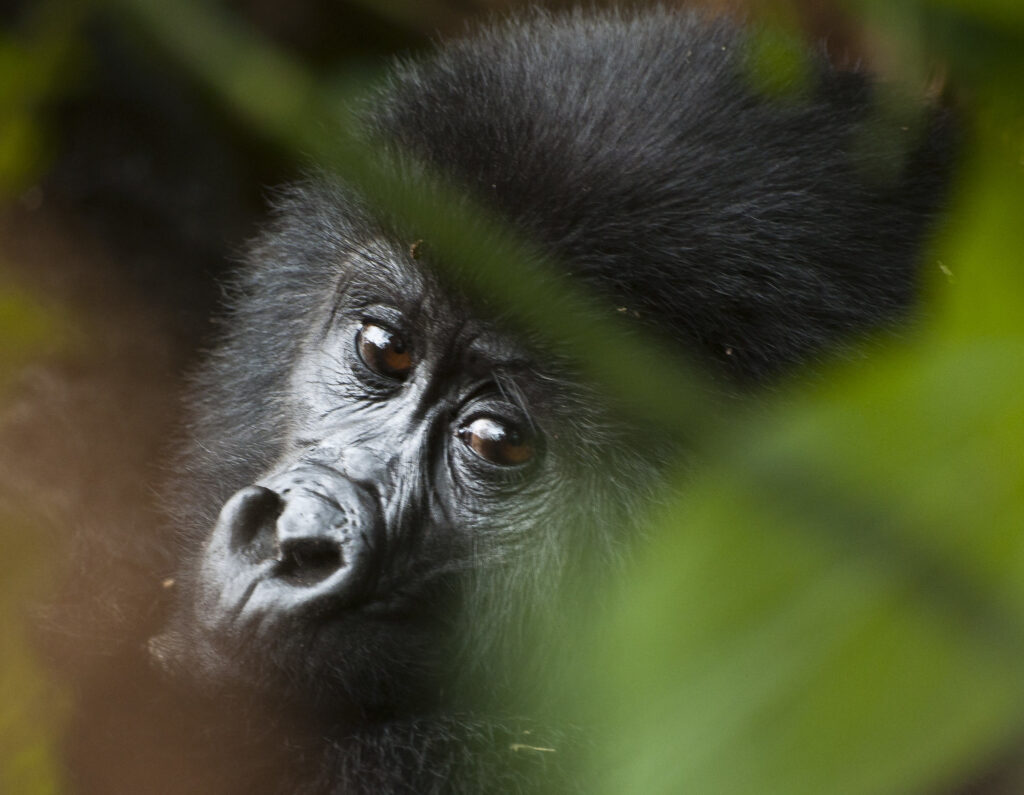
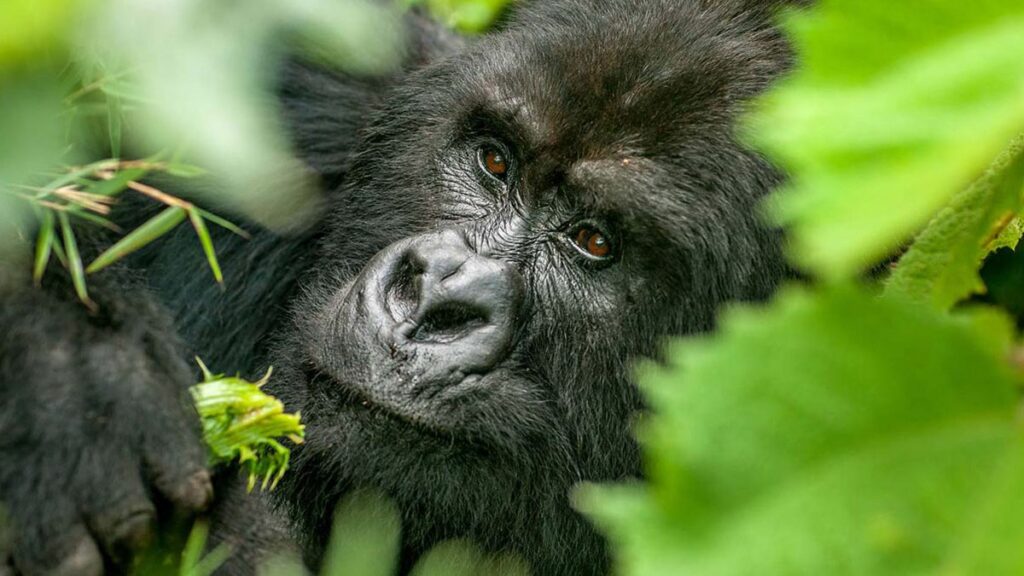
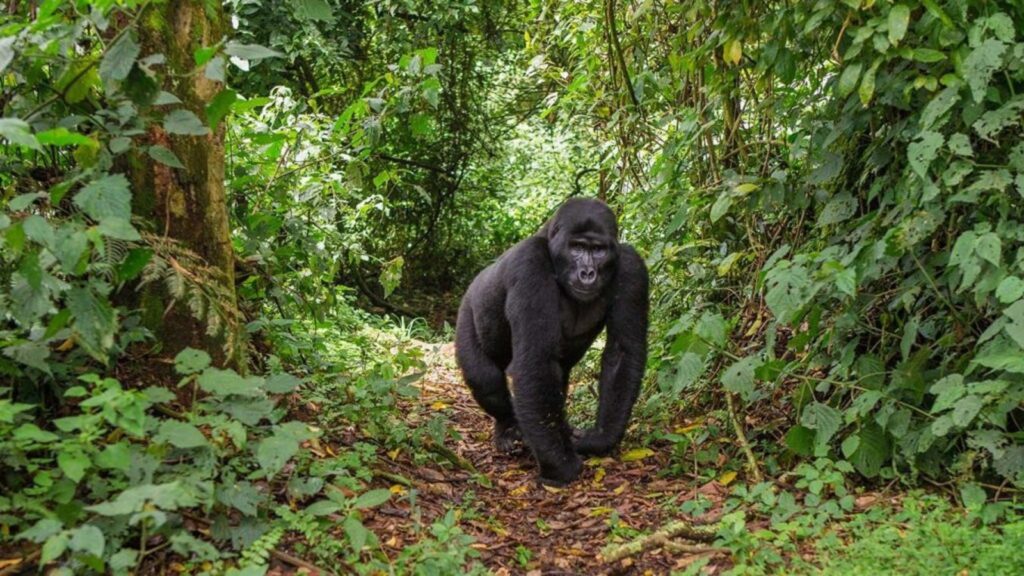
Healthy forests form the foundation of gorilla survival. Reforestation rebuilds areas where vegetation once disappeared, giving gorilla families more space to feed, rest, and move freely. Newly planted native trees strengthen the structure of the forest and provide a future source of bamboo, vines, and fruits that gorillas depend on. As the forest grows thicker each year, gorilla groups enjoy safer migration paths and reduced pressure from human activity. Reforestation becomes a long-term investment in the stability of every gorilla family within the park.
Reducing Human–Wildlife Conflict Through Forest Expansion
Communities near the park once faced challenges when gorillas moved into farmland in search of food. Reforestation eases this tension by creating a natural buffer between human settlements and gorilla habitats. Expanded forest zones reduce the chances of crop raiding and increase peace between villagers and wildlife. Families living near the park now see the forest as a protective barrier that supports both conservation and community harmony. This balance strengthens coexistence and improves the relationship between people and the park.
Community Participation in Reforestation Projects
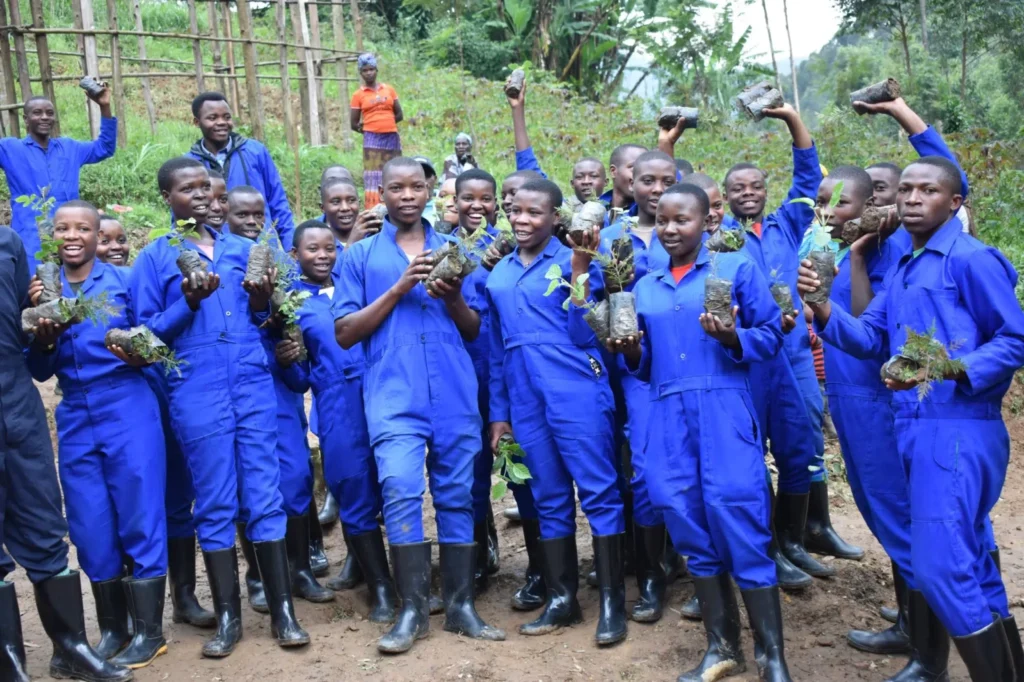
Many reforestation programs around Volcanoes National Park rely on local community involvement. Villagers grow seedlings in community nurseries, plant them in designated restoration zones, and monitor their growth. These activities provide jobs, create environmental awareness, and build a sense of ownership among residents. Young people learn the value of trees and understand how forests support their future. When communities work hand-in-hand with conservation teams, reforestation becomes a shared mission rather than an external project. This unity ensures the forest continues to grow with strong local support.
Reforestation as a Climate and Soil Protection Tool
Restoring forests strengthens the entire ecosystem. New tree cover protects soil from erosion on steep volcanic slopes, especially during heavy rains. Strong roots hold the soil in place, reduce landslides, and keep water sources clean. The expanded forest also absorbs carbon, improves air quality, and supports the fight against climate change. These ecological benefits extend far beyond the boundaries of the park and influence the wellbeing of communities and wildlife in the region.
Tourism Revenue Supporting Forest Restoration
Gorilla tourism plays a major role in funding reforestation programs. Revenue from gorilla permits supports seedling nurseries, ranger patrols, and community-led restoration activities. Travelers contribute directly to forest growth each time they visit the park. Many lodges and tourism partners also launch their own tree-planting initiatives, inviting guests to participate in restoration efforts. This collaboration between tourism and conservation strengthens reforestation and ensures sustainable growth for years to come.
A Vision for a Larger and Healthier Park
Rwanda continues to explore long-term plans to expand Volcanoes National Park. This expansion aims to increase forest cover, create more habitat, and provide gorillas with a future free from human pressure. Reforestation stands at the center of this vision. Newly restored areas will link existing gorilla home ranges and allow families to thrive in a larger landscape. This bold vision reflects Rwanda’s commitment to creating a future where wildlife and people coexist in harmony.
Why Reforestation Strengthens Rwanda’s Conservation Success
Reforestation protects gorillas, stabilizes the land, supports community livelihoods, and strengthens Rwanda’s global conservation reputation. As the forest grows, the ecosystem becomes more resilient and capable of supporting future generations of gorillas. These efforts also inspire visitors, who witness a landscape shaped by dedication, teamwork, and hope. Reforestation is not only about planting trees—it is about restoring balance and building a sustainable future for the entire Virunga region.
Plan a Safari That Supports Rwanda’s Restoration Efforts
Your visit plays a part in the continued restoration of the forests around Volcanoes National Park. When you trek responsibly, you support reforestation, community development, and long-term conservation. Our team helps you plan a meaningful gorilla trekking experience that strengthens both wildlife protection and community well-being.
Inquire and book your Rwanda gorilla trekking adventure at https://www.gorilla-permits.com/.