Packing for Rainforest Humidity and Mud
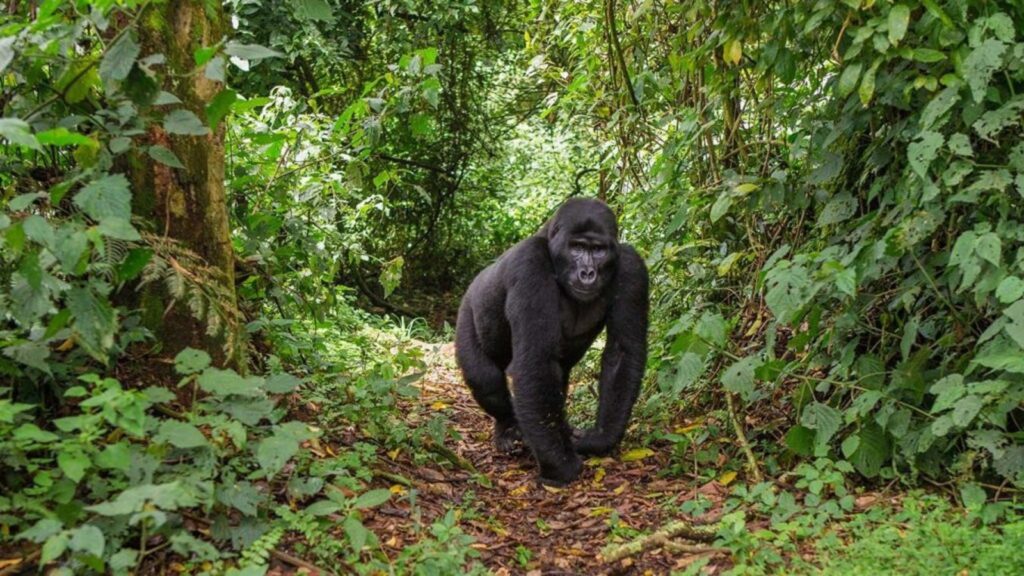
Packing correctly for rainforest humidity and mud can make the difference between an exhausting trek and a comfortable, enjoyable gorilla encounter. Gorilla habitats sit in dense, high-altitude rainforests where moisture stays in the air even on dry days. Rain, sweat, mud, and thick vegetation all test your clothing, footwear, and gear.
This guide explains what to pack—and why—when trekking gorillas in humid rainforest environments such as Bwindi Impenetrable National Park, Mgahinga Gorilla National Park, and Volcanoes National Park.
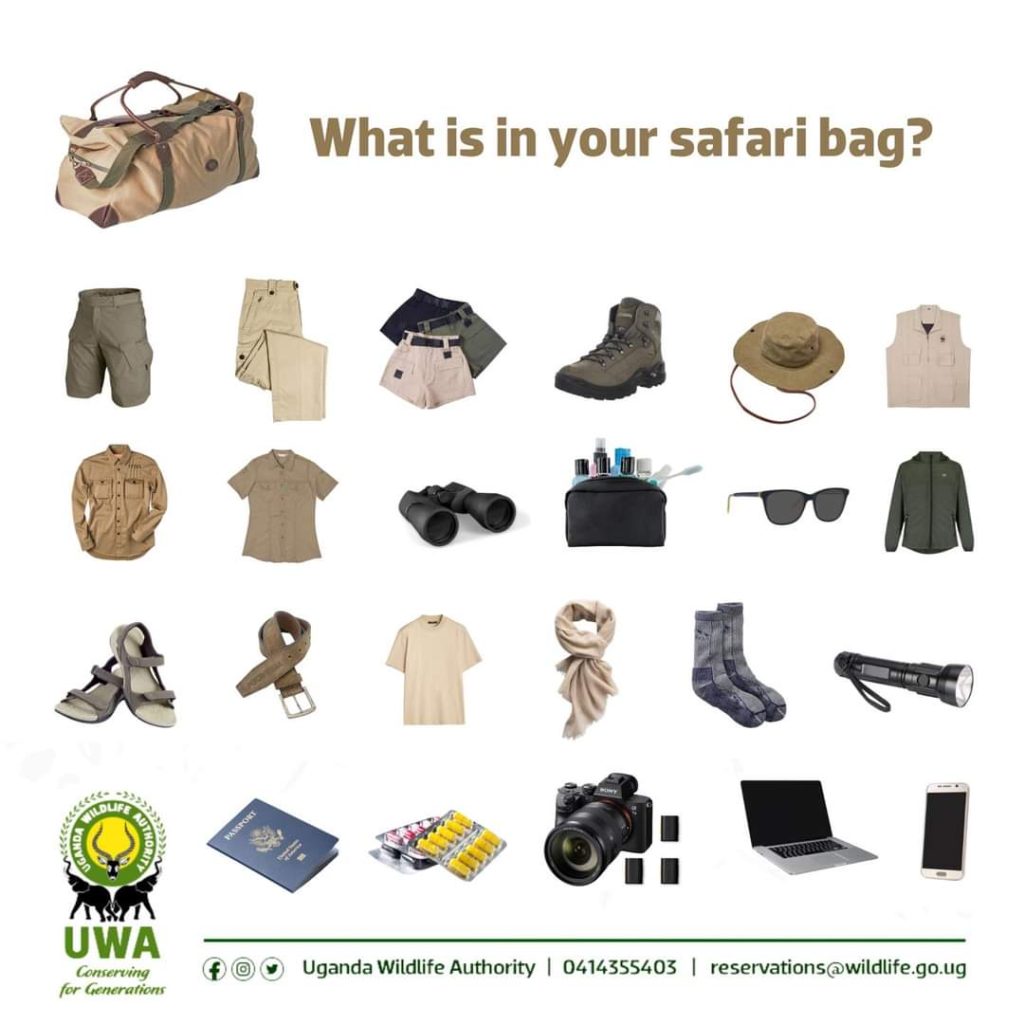
Understanding Rainforest Conditions
Rainforest humidity stays high throughout the year. Even during dry months, the forest canopy traps moisture and limits airflow. During rainy seasons, trails turn muddy and waterlogged, especially on steep slopes.
Clothing that works well in dry savannah environments often fails here. Breathability, quick-drying fabrics, and protection against mud matter more than style or weight.
Clothing That Handles Humidity
Lightweight, Moisture-Wicking Layers
Cotton absorbs moisture and dries slowly, which causes discomfort in humid forests. Synthetic or merino fabrics wick sweat away from the skin and dry faster, keeping your body temperature stable.
A lightweight long-sleeved shirt protects against scratches, insects, and nettles while still allowing airflow. Long trousers provide the same protection for legs without overheating.
Rain Protection Without Overheating
A waterproof jacket remains essential, but it must also breathe well. In humid forests, poor ventilation traps sweat inside, making you wetter than the rain itself.
Choose a jacket with pit zips or breathable membranes. Rain pants help during heavy downpours, especially in Bwindi’s thick undergrowth where wet grass soaks lower legs quickly.
Footwear for Muddy Terrain
Hiking Boots With Strong Grip
Mud defines rainforest trekking. Proper hiking boots with aggressive tread patterns prevent slipping on clay soil and wet roots. Ankle support reduces strain on uneven ground and steep descents.
Waterproof boots help, but they must also dry quickly. Fully soaked boots that trap moisture cause blisters and discomfort.
Gaiters for Mud and Water Protection
Gaiters block mud, water, and insects from entering boots. They prove especially useful in Bwindi, where trails narrow and vegetation brushes constantly against legs.
Managing Sweat and Body Comfort
Humidity causes constant sweating, even during slow walking. Lightweight base layers help regulate body temperature and reduce chafing.
Carrying a small microfiber towel allows you to wipe sweat quickly without stopping for long periods. Dry comfort improves focus and energy levels during the trek.
Protecting Your Hands and Balance
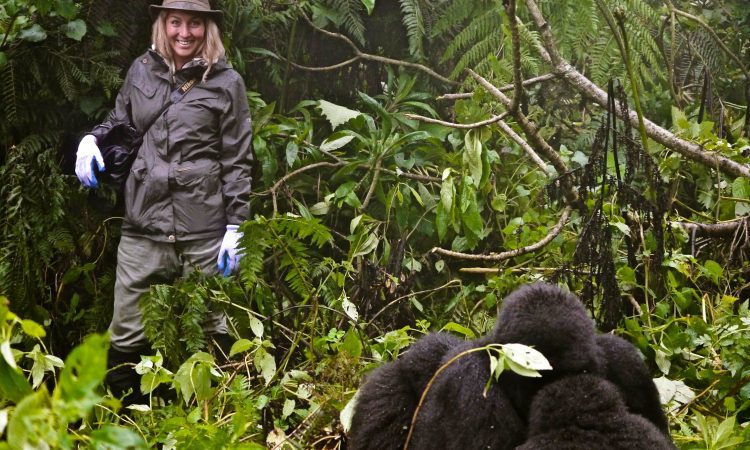
Gardening-style gloves protect hands from sharp vegetation and provide grip when holding branches on steep slopes. Rangers often recommend gloves, especially during rainy months.
Walking sticks, usually provided by the park, improve balance on slippery sections and reduce strain on knees.
Backpack Essentials for Rainforest Treks
A small waterproof daypack keeps essentials dry and accessible. Inside, use dry bags or plastic liners for extra protection.
Key items include water, snacks, sunscreen, insect repellent, tissues, and a lightweight insulating layer. Rainforest weather shifts quickly, and preparedness prevents discomfort.
Camera and Electronics Protection
Humidity and rain challenge electronic gear. Rain covers protect cameras during downpours, while silica gel packets help absorb moisture inside bags.
Avoid changing lenses inside the forest whenever possible. Moist air can fog sensors and lenses quickly.
Hiring a Porter: A Smart Packing Choice
Porters assist with carrying daypacks and provide extra stability on muddy trails. Their help allows you to focus fully on walking and enjoying the experience.
Hiring a porter also supports local communities directly, making it both practical and responsible.
Common Packing Mistakes to Avoid
Overpacking causes fatigue quickly in humid conditions. Heavy bags increase sweating and slow movement. Pack only essentials and prioritize comfort over extra items.
Ignoring foot protection remains the most common mistake. Poor footwear turns mud into a major challenge instead of a manageable inconvenience.
Plan Your Safari With Us
Packing well starts with expert guidance. We help you prepare for rainforest conditions with personalized packing advice based on season, park, and fitness level. Our team secures permits, recommends suitable lodges, and ensures you arrive fully ready for humidity and mud.
Enquire now and let us plan a gorilla trekking safari where comfort meets adventure—even in the rainforest.