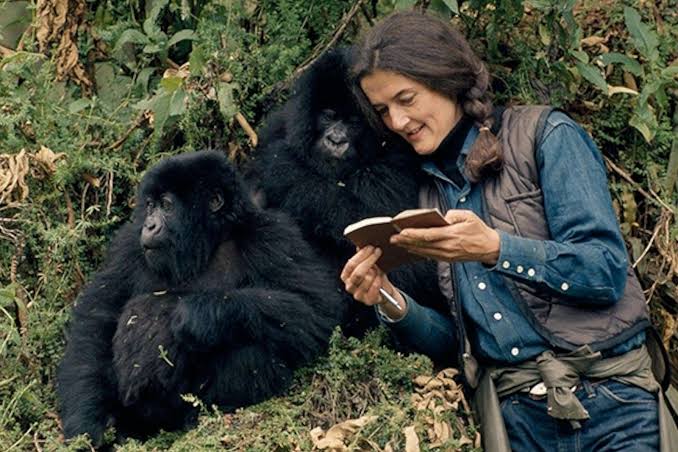
ORTPN Rwanda Gorilla Permit History: How Gorilla Permit Management Evolved in Rwanda
The history of gorilla tourism in Rwanda is closely linked to the country’s commitment to wildlife conservation and sustainable tourism. Before the establishment of the modern tourism management system under the Rwanda Development Board (RDB), gorilla permits were administered by the Office Rwandais du Tourisme et des Parcs Nationaux (ORTPN). Understanding the ORTPN Rwanda gorilla permit history provides valuable insight into how Rwanda transformed mountain gorilla tourism into one of Africa’s most successful conservation models.
Over several decades, Rwanda has developed a carefully regulated permit system that limits the number of visitors to mountain gorillas while generating significant revenue for conservation and community development. Although ORTPN no longer manages gorilla permits, its work laid the foundation for today’s internationally respected tourism framework.
This article explores the evolution of Rwanda’s gorilla permit system from ORTPN to the Rwanda Development Board.
What Was ORTPN?
The Office Rwandais du Tourisme et des Parcs Nationaux (ORTPN) was Rwanda’s former government institution responsible for tourism promotion and national park management.
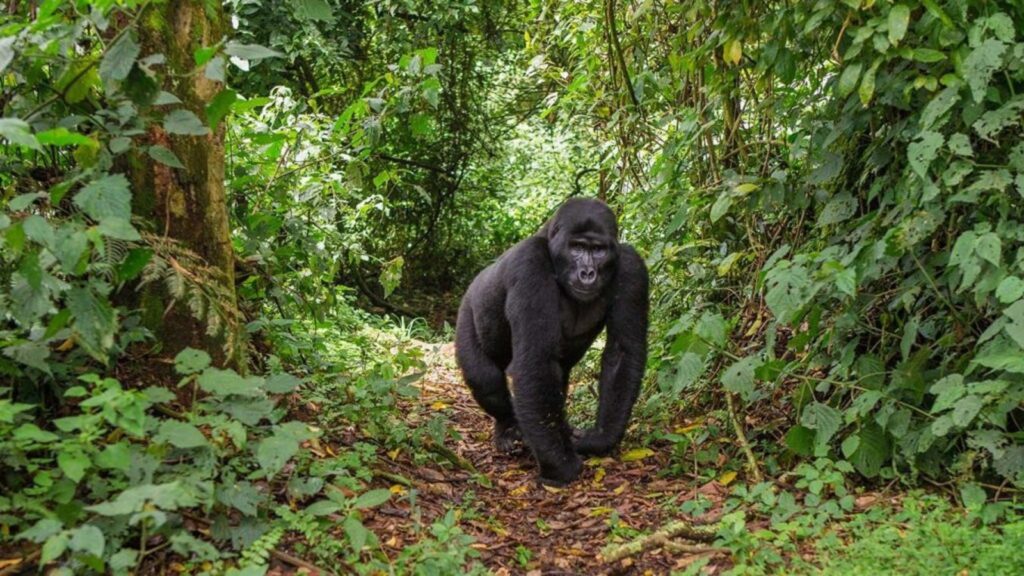
ORTPN oversaw protected areas, wildlife conservation, tourism development, and visitor services, including the management of gorilla trekking permits for Volcanoes National Park. The organization played a major role in establishing Rwanda as a premier destination for mountain gorilla tourism.
The ORTPN Rwanda gorilla permit history reflects the country’s early commitment to balancing tourism with wildlife protection.
The Early Years of Gorilla Tourism
Mountain gorilla tourism in Rwanda began on a relatively small scale.
As international interest in mountain gorillas increased during the late twentieth century, Rwanda recognized the need to carefully regulate visitor access to protect the endangered species. ORTPN introduced permit systems that limited the number of daily visitors and established strict rules governing gorilla encounters.
These early conservation measures became the foundation of the modern gorilla permit program.
Why Gorilla Permits Were Introduced
Gorilla permits serve several important conservation purposes.
Limiting visitor numbers reduces stress on gorilla families, minimizes disease transmission, protects sensitive habitats, and improves the overall visitor experience. Permit revenue also supports park management, ranger salaries, conservation research, anti-poaching operations, and community development projects.
The ORTPN Rwanda gorilla permit history demonstrates how controlled tourism became an effective conservation tool.
Transition from ORTPN to the Rwanda Development Board
In 2009, Rwanda reorganized several government institutions to improve efficiency and strengthen economic development.
As part of these reforms, the responsibilities of ORTPN were transferred to the Rwanda Development Board (RDB). Since then, RDB has managed gorilla permits, national parks, tourism promotion, conservation programs, and investment initiatives under a unified organizational structure.
Although ORTPN no longer exists as a separate institution, its conservation legacy continues through the Rwanda Development Board.
Evolution of Gorilla Permit Management
Permit management has changed significantly over the years.
The transition from manual reservation systems to modern digital booking processes has improved efficiency for international visitors and licensed tour operators. Rwanda has also strengthened visitor regulations, enhanced ranger training, expanded conservation monitoring, and improved tourism infrastructure surrounding Volcanoes National Park.
These developments illustrate the continued evolution of the ORTPN Rwanda gorilla permit history into today’s modern tourism system.
Gorilla Permit Pricing Through the Years
Permit prices have gradually increased as Rwanda strengthened its conservation strategy.
Higher permit fees have helped limit visitor numbers while generating greater financial support for wildlife conservation and local community projects. Although the permit cost has changed several times, the underlying objective has remained consistent: protecting mountain gorillas through sustainable, low-impact tourism.
This pricing strategy has become one of Rwanda’s defining conservation policies.
Conservation Success
Rwanda’s carefully managed permit system has contributed to remarkable conservation achievements.
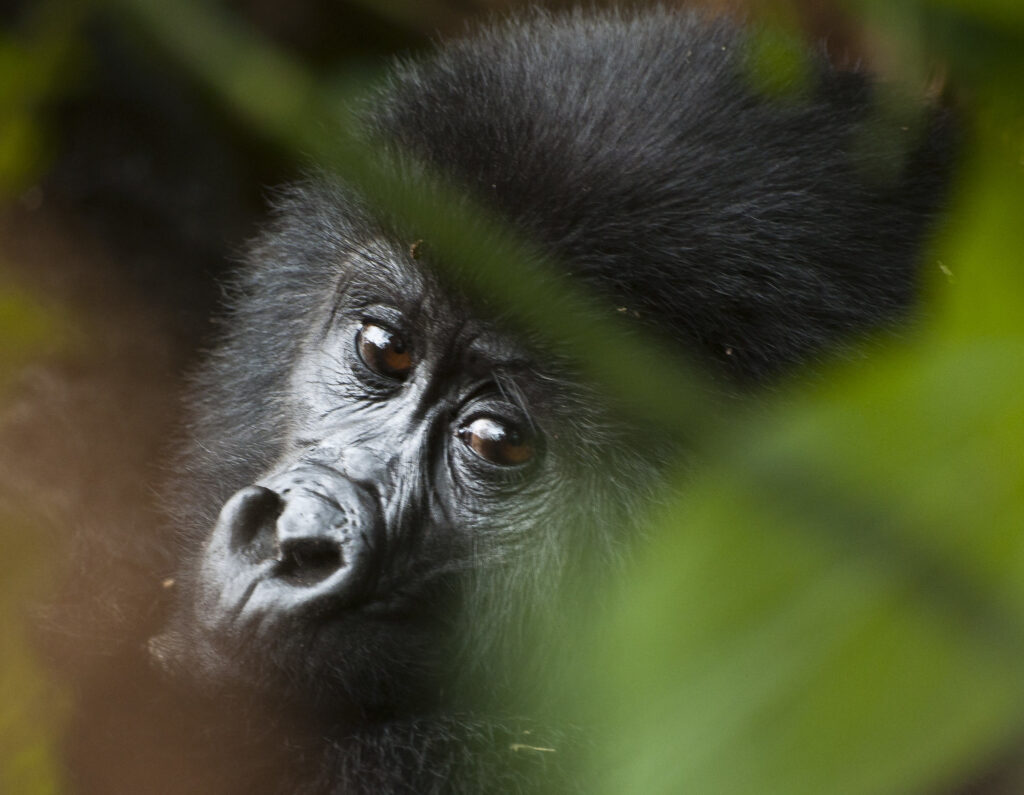
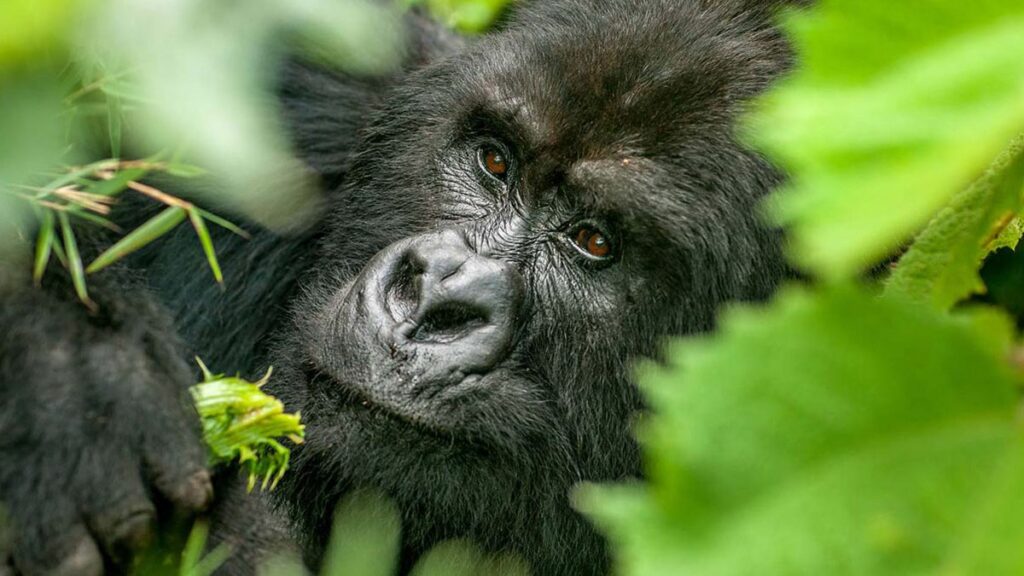
Mountain gorilla populations have increased over recent decades, supported by strong law enforcement, habitat protection, veterinary care, scientific research, community participation, and responsible tourism. Revenue generated from gorilla permits continues to fund many of these initiatives.
The ORTPN Rwanda gorilla permit history demonstrates how effective tourism management can directly support endangered species conservation.
The Role of Licensed Tour Operators
Today, most international visitors reserve gorilla permits through licensed safari operators.
These companies work directly with the Rwanda Development Board to secure permits, coordinate accommodation, arrange transportation, and organize complete safari itineraries. This system simplifies the booking process while ensuring visitors comply with official conservation regulations.
Tour operators remain important partners in the ongoing success of Rwanda’s gorilla tourism program.
Why Understanding Permit History Matters
Learning about the history of Rwanda’s gorilla permit system provides greater appreciation for the country’s conservation achievements.
The evolution from ORTPN to the Rwanda Development Board reflects Rwanda’s long-term commitment to protecting mountain gorillas while developing one of Africa’s most respected tourism industries. Visitors who understand this history often gain a deeper appreciation for the conservation work supported by every gorilla permit purchased.
Responsible tourism continues to build upon the foundations established during the ORTPN era.
Conclusion
The ORTPN Rwanda gorilla permit history represents an important chapter in the development of mountain gorilla conservation and sustainable tourism in Rwanda. Although the Rwanda Development Board now manages gorilla permits, ORTPN played a pioneering role in establishing the systems that continue to protect one of the world’s most endangered primates.
Today, Rwanda’s permit program serves as an international model for conservation-based tourism, demonstrating how carefully managed visitor experiences can generate lasting benefits for wildlife, local communities, and future generations of travelers.