Off-the-Grid Eco-Tours in the Albertine Rift
Off-the-grid eco-tours in the Albertine Rift offer a rare kind of travel—quiet, immersive, and grounded in landscapes that still feel largely untouched. This region stretches along the western arm of the Great Rift Valley and holds some of Africa’s richest biodiversity. Here, travel moves at human pace. Roads fade, signals weaken, and attention shifts back to forest sounds, water movement, and daily life shaped by nature rather than schedules. For travelers seeking depth rather than polish, the Albertine Rift delivers authenticity without spectacle.
Understanding the Albertine Rift Landscape
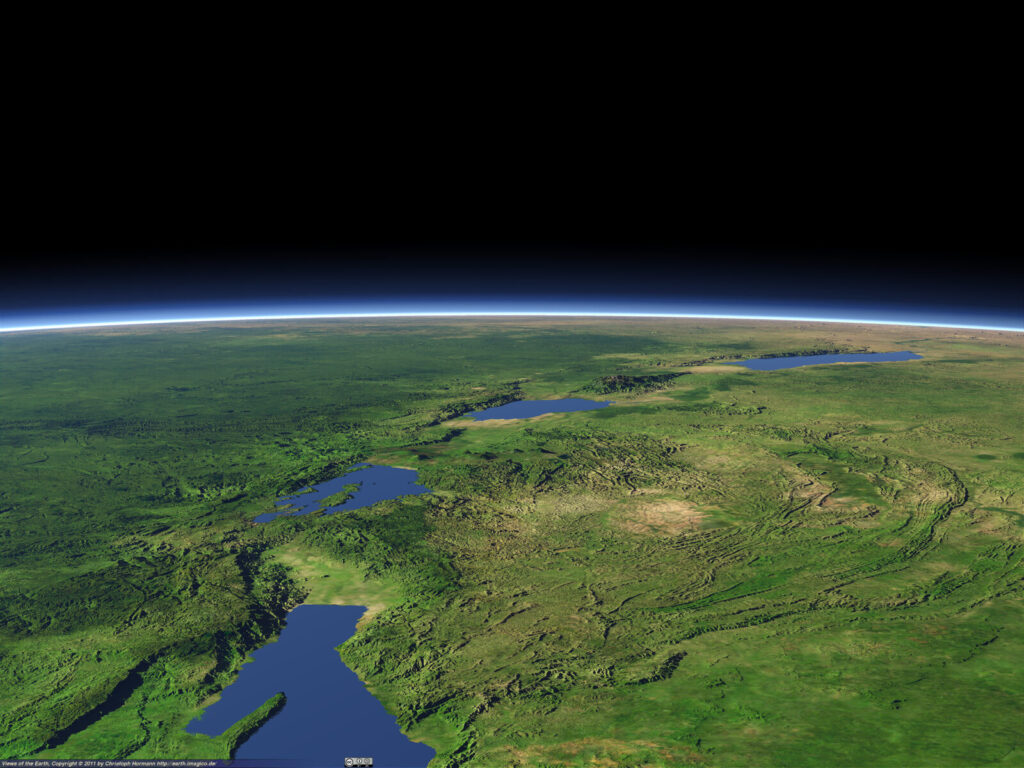
The Albertine Rift forms one of Africa’s most important ecological zones, running through Uganda, Rwanda, and eastern Congo. It combines montane forests, wetlands, volcanic landscapes, lakes, and savannah into a compact but incredibly diverse region.
Protected areas such as Bwindi Impenetrable National Park, Semuliki National Park, and the Virunga landscapes anchor conservation across the rift. These ecosystems support endemic species found nowhere else on Earth.
Off-the-grid travel here means moving through zones where nature still defines boundaries.
What “Off-the-Grid” Really Means in the Rift
Off-the-grid eco-tours in the Albertine Rift are not about discomfort for its own sake. They are about intentional simplicity. Accommodation tends to be small, locally run, and deeply integrated into the environment. Electricity may be solar-powered. Connectivity may be limited. Noise pollution is almost nonexistent.
This absence of distraction sharpens awareness. Days unfold according to light, weather, and movement rather than screens or itineraries packed with activities.
You trade convenience for clarity.
Forest Immersion Beyond Gorilla Trekking
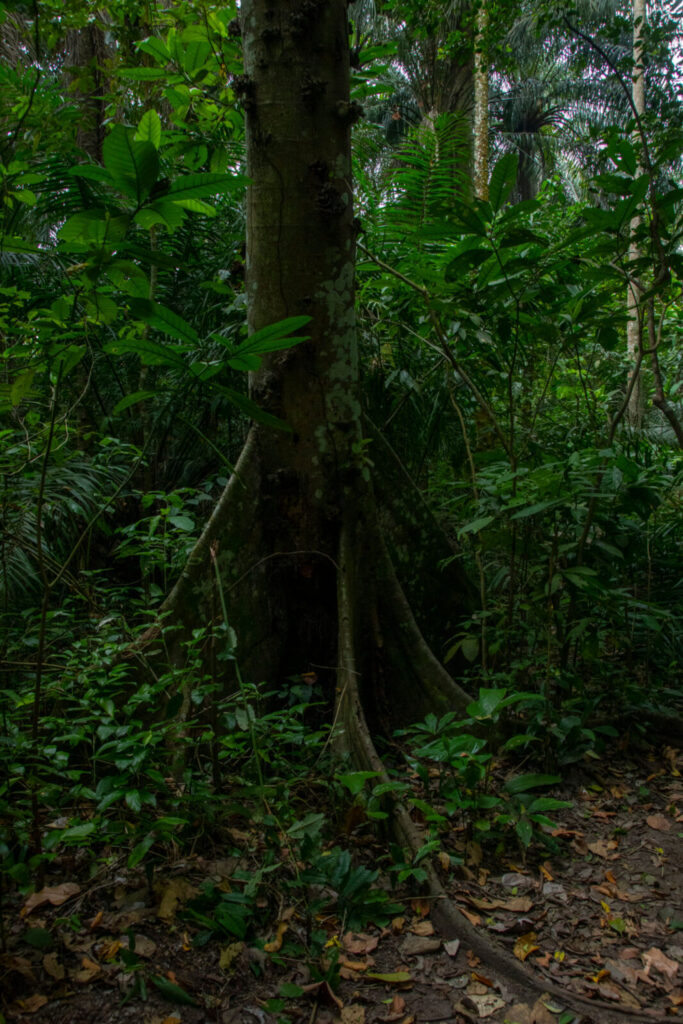
While gorilla trekking often draws visitors to the Albertine Rift, off-the-grid tours explore what lies beyond headline experiences. Forest walks through lesser-known trails reveal medicinal plants, birdlife, and subtle animal signs often missed on faster itineraries.
In places near Bwindi and Semuliki, guided nature walks focus on ecology rather than encounters. You learn how forest layers function, how insects shape ecosystems, and how communities have interacted with these environments for generations.
The experience rewards curiosity, not expectation.
Remote Lakes and Water-Based Eco-Experiences
Lakes scattered across the Albertine Rift create natural sanctuaries far from busy routes. Lake Mutanda offers canoeing between quiet islands, birdwatching at dawn, and slow shoreline walks framed by volcanoes.
These water-based experiences emphasize silence and reflection. Paddling replaces engines. Observation replaces urgency. Wildlife appears naturally, without prompting.
The lake becomes both setting and teacher.
Community-Led Eco-Tourism in Isolated Areas
Off-the-grid travel in the Albertine Rift depends heavily on community participation. Local guides, homestays, and small eco-lodges provide income while preserving cultural and environmental integrity.
Communities share knowledge of trails, plants, fishing techniques, and seasonal rhythms. Tourism income supports education, healthcare, and conservation awareness without overwhelming local life.
Here, community tourism does not feel curated. It feels lived.
Wildlife Encounters Without Crowds
Wildlife viewing in off-the-grid areas feels different from classic safaris. Sightings may be quieter, less predictable, and more rewarding. Primates, forest antelope, birds, and reptiles appear without vehicle congestion or radio calls.
In places like Semuliki’s lowland forest or remote Rift Valley wetlands, patience replaces speed. Encounters feel earned rather than delivered.
This unpredictability defines the experience.
Conservation Value of Low-Impact Travel
Off-the-grid eco-tours reduce pressure on heavily visited parks by spreading tourism benefits more evenly across the region. Smaller groups, longer stays, and local ownership lower environmental impact while increasing conservation resilience.
Tourism here supports habitat protection, discourages extractive land use, and reinforces the value of intact ecosystems. The Albertine Rift benefits when travel stays light and intentional.
Low impact becomes high value.
Who Off-the-Grid Eco-Tours Are Best For
These tours suit travelers who value immersion over luxury and understanding over convenience. They appeal to nature enthusiasts, conservation-minded travelers, writers, photographers, and those seeking quiet reconnection.
Flexibility, patience, and curiosity matter more than fitness or experience. Comfort comes from simplicity rather than excess.
Plan Your Safari
Planning an off-the-grid eco-tour in the Albertine Rift requires realistic pacing and thoughtful choices. Selecting experienced local operators, allowing extra travel time, and limiting the number of destinations ensures the journey remains unhurried. Choosing community-based lodges and guides strengthens conservation outcomes while enhancing authenticity. A well-planned safari here does not chase highlights—it allows landscapes and people to reveal themselves naturally.
Final Reflection
Off-the-grid eco-tours in the Albertine Rift offer something increasingly rare: space to listen, observe, and slow down. This region does not demand attention. It rewards presence.
For those willing to step away from the familiar, the Albertine Rift offers travel that feels honest, restorative, and deeply connected to the land.