Most Unique Safari Experiences in Africa 2026: Ultimate Wildlife Guide
Africa offers far more than the traditional safari game drive. While watching lions, elephants, giraffes, and buffaloes from a safari vehicle remains an iconic African experience, travelers in 2026 can explore wildlife in many different ways. They can walk through ancient forests searching for chimpanzees, trek into mountain habitats to find gorillas, travel by canoe through wetlands, track wildlife on foot, or watch desert-adapted animals in remote landscapes. These experiences provide a closer connection with nature and introduce travelers to ecosystems that conventional safaris may not fully reveal.
The most unique safari experiences Africa offers are often built around rare wildlife encounters, unusual landscapes, specialized activities, and responsible tourism. Some require physical effort, while others focus on patience, photography, cultural interaction, or exploration. The experience can also vary according to the season, location, wildlife movements, and conservation regulations.
For travelers planning an African adventure in 2026, choosing an unusual safari can make the journey more memorable. This guide explores some of the continent’s most distinctive wildlife experiences and explains what makes each one different from a conventional safari.
1. Mountain Gorilla Trekking in Uganda
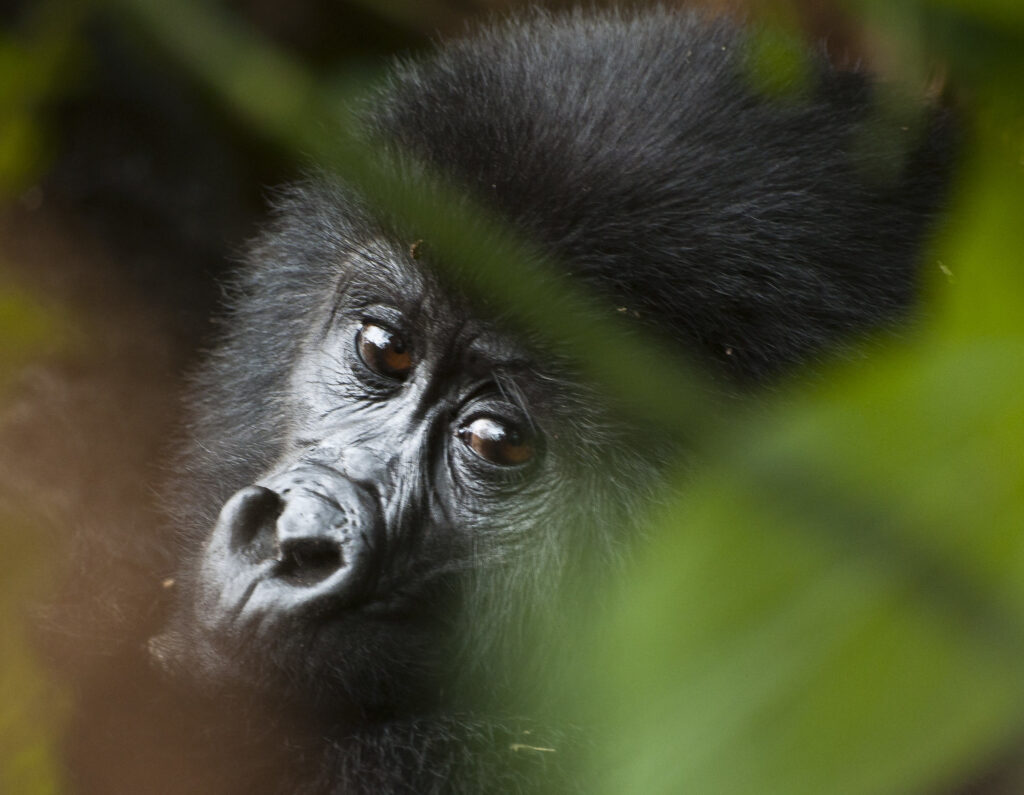
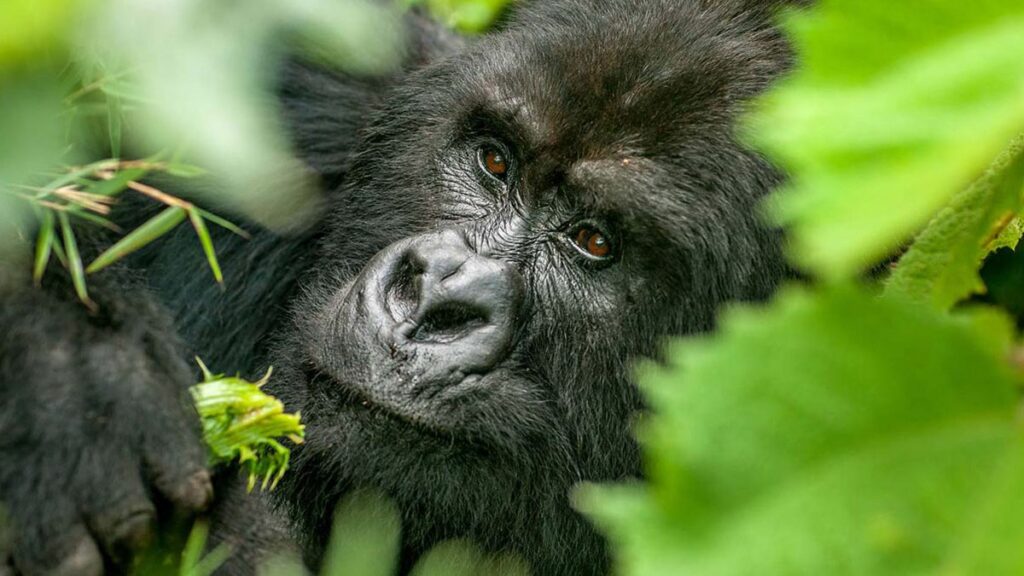
Mountain gorilla trekking is one of the most distinctive wildlife experiences available in Africa. Instead of observing animals from a safari vehicle, visitors hike through protected mountain forests in search of habituated gorilla families.
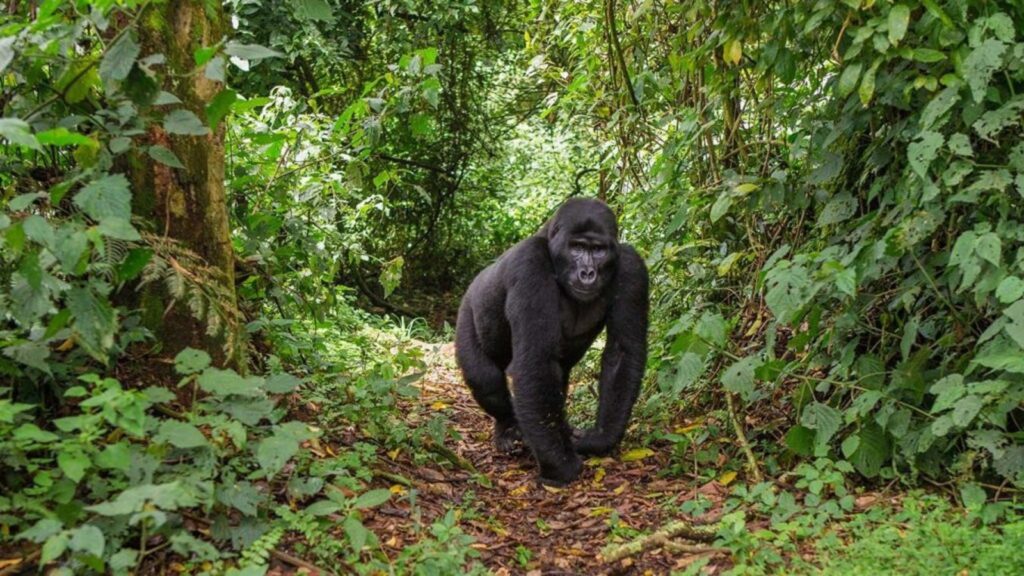
Uganda offers gorilla trekking in Bwindi Impenetrable National Park and Mgahinga Gorilla National Park. The experience begins with a briefing before visitors enter the forest accompanied by guides and trackers. The trek can involve steep slopes, dense vegetation, muddy trails, and changing weather conditions.
Once the gorilla family is located, visitors observe the animals while following strict wildlife-viewing rules. They may see silverbacks, adult females, juveniles, and infants interacting within the group.
The experience feels different from a traditional savanna safari because the journey itself becomes part of the wildlife encounter. Visitors follow signs of gorilla movement and explore the forest on foot before reaching the family.
For travelers searching for the most unique safari experiences Africa has to offer, gorilla trekking combines physical adventure, rare wildlife, forest exploration, and conservation in a single journey.
2. Gorilla Habituation Experience in Uganda
For travelers who want a longer and more specialized primate experience, Uganda’s gorilla habituation experience offers an alternative to standard gorilla trekking.
The habituation process involves gradually introducing wild gorillas to the presence of humans so that researchers, conservationists, and carefully managed visitors can observe them without causing significant disturbance. Travelers participating in a habituation experience can spend substantially longer with the gorillas than during a conventional trekking encounter, subject to current regulations.
The experience provides more time to observe behavior and understand how gorilla families interact with their environment. Visitors may watch feeding, movement, communication, grooming, and social interactions while accompanied by researchers, guides, and trackers.
This type of experience suits travelers who have a strong interest in primate behavior and conservation rather than simply wanting a brief wildlife encounter.
Because habituation activities involve specially managed gorilla groups and limited participation, travelers should confirm current availability and regulations before planning their trip.
3. Chimpanzee Trekking in Kibale Forest
Chimpanzee trekking in Uganda provides another remarkable way to explore African wildlife. Kibale National Park is renowned for its primate diversity and provides opportunities to search for habituated chimpanzee communities in tropical forest habitat.
Chimpanzees differ dramatically from many of the large mammals seen on savanna safaris. They live in complex social groups and display highly active behavior. Visitors may see chimpanzees feeding, climbing trees, grooming, calling, or moving rapidly through the forest.
The trek also provides an opportunity to experience the wider ecosystem. Bird calls, butterflies, monkeys, plants, and other forest life contribute to the atmosphere.
Chimpanzee trekking can also complement gorilla trekking. Travelers who visit Uganda can build a primate-focused itinerary that includes both great ape experiences.
For visitors who want to understand African wildlife beyond the Big Five, chimpanzee trekking provides one of the most unique safari experiences Africa has available.
4. Golden Monkey Trekking in the Virunga Mountains
Golden monkey trekking offers another unusual primate experience in the Virunga mountain region. These endangered monkeys inhabit high-altitude forests and are known for their energetic movements and distinctive appearance.
Visitors trek through forest environments searching for golden monkey groups. Unlike a conventional game drive, the experience requires travelers to explore the habitat on foot and follow the animals through vegetation.
The monkeys may move quickly through the forest, climb branches, and jump between trees, creating an exciting wildlife-viewing experience. Their behavior also makes photography challenging and rewarding.
Uganda’s Mgahinga Gorilla National Park and Rwanda’s Volcanoes National Park are associated with golden monkey trekking opportunities.
Travelers can sometimes combine golden monkey trekking with gorilla trekking, creating a specialized primate safari that explores the unique ecosystems of the Virunga region.
For wildlife enthusiasts who want something different from conventional game drives, golden monkey trekking deserves a place among the continent’s unusual safari experiences.
5. Walking Safari in Zambia
Walking safaris offer a completely different perspective on African wildlife. Instead of sitting inside a vehicle, travelers explore the wilderness on foot with an experienced professional guide.
Zambia is particularly associated with walking safari experiences. Walking allows visitors to notice details that can easily be missed from a vehicle, including animal tracks, dung, plants, insects, sounds, and subtle changes in the landscape.
The guide becomes an interpreter of the ecosystem. Rather than simply identifying large mammals, the guide explains how animals interact with their surroundings and how to recognize signs of wildlife activity.
Encountering larger animals while walking requires careful management and professional guidance. Safety procedures and appropriate distances remain essential throughout the experience.
Walking safaris appeal to travelers who want a deeper connection with the African bush. The slower pace encourages observation and creates a stronger awareness of the surrounding environment.
For adventurous travelers, a walking safari is one of the most unique safari experiences Africa offers.
6. Canoe and Mokoro Safari in the Okavango Delta
The Okavango Delta provides one of Africa’s most unusual safari environments. Instead of exploring entirely by vehicle, travelers can navigate waterways through wetlands using traditional-style mokoro canoes or other regulated boats.
The waterways create opportunities to observe wildlife from a low position close to the water. Visitors may encounter hippos, elephants, antelopes, crocodiles, birds, and other species around the channels and islands.
A mokoro safari also provides a peaceful way to explore the ecosystem. Rather than listening primarily to a vehicle engine, travelers experience the sounds of water, birds, insects, and wildlife.
The seasonal flooding of the Okavango Delta plays a major role in shaping the ecosystem. Water transforms large areas of the landscape and influences where animals congregate.
The combination of water, wildlife, wetlands, and traditional canoe-based travel makes an Okavango Delta safari particularly distinctive.
7. Desert Wildlife Safari in Namibia
Namibia offers a completely different safari environment from the humid forests and grasslands associated with many African wildlife destinations. Much of the country’s landscape consists of arid and semi-arid environments where animals have adapted to limited water and extreme conditions.
A desert wildlife safari can introduce travelers to species and landscapes that differ from the classic Big Five safari. Depending on the destination, visitors may encounter desert-adapted elephants, lions, giraffes, oryx, springbok, seals, and other wildlife.
The Namib Desert and surrounding landscapes also provide spectacular scenery. Massive dunes, rocky mountains, dry riverbeds, and open plains create dramatic photographic backgrounds.
Wildlife viewing in such environments requires a different understanding of animal behavior. Guides often explain how animals locate water, regulate body temperature, and survive in difficult conditions.
For travelers seeking unusual landscapes as well as wildlife, Namibia provides one of the most unique safari experiences Africa has to offer.
8. Gorilla and Golden Monkey Safari Combination
Combining gorilla trekking with golden monkey trekking creates a highly specialized safari focused on African primates.
Both experiences take place within the broader Virunga landscape, where volcanic mountains and high-altitude forests create habitats for several important species.
A combined itinerary allows travelers to experience two distinct forms of primate behavior. Mountain gorillas generally provide opportunities to observe social interactions within family groups, while golden monkeys often move rapidly through forest vegetation.
The physical experience can also vary because visitors explore mountainous terrain while searching for the animals.
Combining these activities can be particularly attractive to photographers, wildlife enthusiasts, conservation travelers, and visitors who have already experienced traditional African game drives.
It also provides an opportunity to explore an ecosystem where conservation, tourism, and local communities are closely connected.
9. Whale Watching in South Africa
Africa’s safari experiences extend beyond land-based wildlife. South Africa offers marine wildlife opportunities where visitors can observe whales and other ocean species.
Whale watching can be conducted from coastal viewpoints or through regulated boat excursions, depending on the destination and local regulations. Seasonal whale movements can create opportunities to observe species such as southern right whales in appropriate coastal areas.
The experience differs fundamentally from a traditional safari. Instead of searching grasslands or forests, visitors scan the ocean for blows, fins, tails, and other signs of marine wildlife.
A whale may appear only briefly before disappearing beneath the water, making patience an important part of the experience. Dolphins, seabirds, and seals may also add to the marine wildlife encounter.
For travelers who want to combine African wildlife with coastal scenery, whale watching offers an unusual alternative to the conventional safari.
10. Night Safari in Africa
A night safari changes the wildlife experience by revealing what happens after sunset. Many African animals become active at night, and darkness can transform a familiar landscape into an entirely different environment.
Depending on the destination and regulations, guided night drives can provide opportunities to search for nocturnal species such as bushbabies, genets, civets, owls, hyenas, and other nighttime wildlife.
The experience also changes the way visitors observe animals. Guides use spotlights carefully and explain animal behavior while minimizing disturbance.
Night safaris can complement daytime game drives because some species and behaviors are easier to observe after sunset.
The darkness creates an atmosphere of anticipation that many travelers find exciting. Instead of simply watching wildlife in daylight, visitors listen to nighttime sounds and search the darkness for movement and reflections from animal eyes.
For travelers who want to experience the African bush from a different perspective, a properly managed night safari belongs among the continent’s most unusual wildlife activities.
11. Boat Safari on the Chobe River
The Chobe River provides another excellent example of how a safari can move beyond the traditional vehicle experience. Boat trips allow travelers to observe wildlife along the riverbanks from the water.
Elephants are particularly impressive around the Chobe River because large herds frequently use waterways and surrounding habitats. Visitors may observe elephants drinking, bathing, swimming, or gathering near the shoreline.
Hippos, crocodiles, buffaloes, antelopes, and numerous bird species can also appear during river excursions.
The low position of the boat creates a different photographic perspective. Wildlife may appear against the water or riverbank rather than the typical grassland background.
A Chobe River safari can also complement land-based game drives, giving travelers two perspectives on the same ecosystem.
The combination of water travel and large African mammals makes this an excellent choice for travelers looking for an unusual safari experience.
12. Gorilla Trekking Combined With a Big Five Safari
One of the most rewarding ways to create a unique African safari is to combine very different wildlife environments in one itinerary.
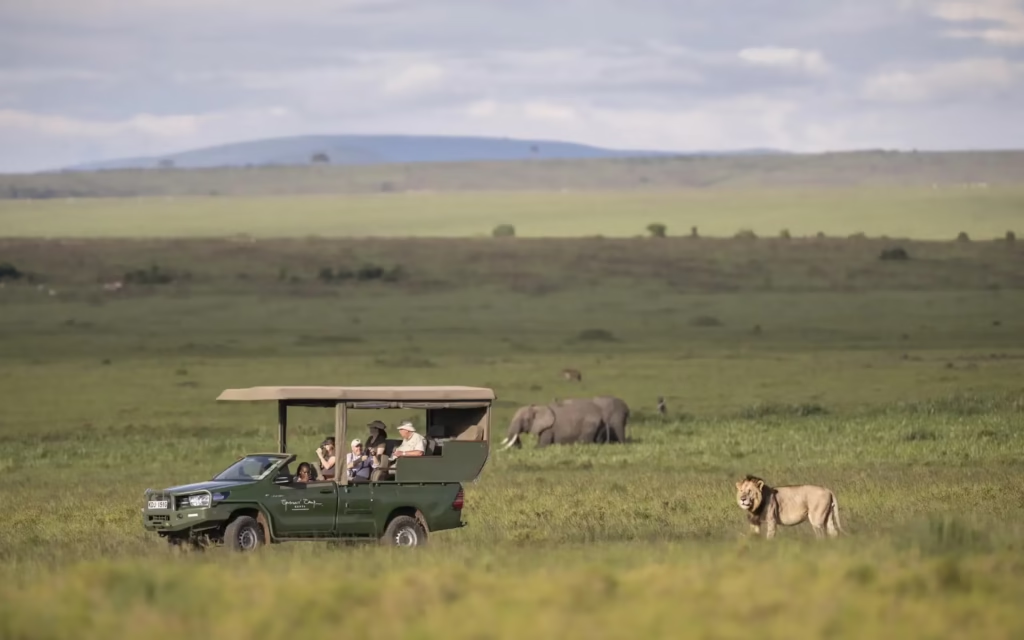
Travelers can combine gorilla trekking with conventional savanna wildlife viewing. After exploring mountain forests in Uganda or Rwanda, they can travel to another national park or country to experience lions, elephants, buffaloes, leopards, giraffes, and other large mammals.
This combination creates a contrast between forest and savanna ecosystems. Gorilla trekking focuses on primate behavior and mountain habitats, while game drives emphasize large mammals and predator-prey relationships.
Uganda is particularly suitable for this style of itinerary because travelers can combine gorilla trekking with wildlife destinations such as Queen Elizabeth National Park or Murchison Falls National Park.
The result is a more diverse safari that allows travelers to experience several of Africa’s major ecosystems within one journey.
How to Choose a Unique Safari Experience in 2026
Choosing among the most unique safari experiences Africa offers depends on several factors. Travelers should first consider the type of wildlife they want to see. Primates, desert-adapted animals, elephants, marine wildlife, and nocturnal species require very different safari environments.
Physical ability also matters. Gorilla trekking, chimpanzee trekking, and walking safaris require active participation, while boat safaris and conventional game drives generally involve less walking.
The season can influence the experience as well. Some wildlife events and marine encounters depend strongly on seasonal movements, while other activities operate throughout much of the year.
Travelers should also research current permit requirements, park regulations, safety information, accommodation availability, and transportation before booking.
Most importantly, travelers should choose responsible operators that follow wildlife regulations and conservation guidelines. A unique safari becomes more meaningful when the experience supports the protection of wildlife and local communities.
Why Unique Safari Experiences Are Becoming More Popular
Modern safari travelers increasingly seek experiences that provide more than simply ticking animals off a checklist. They want to understand wildlife behavior, explore unusual ecosystems, meet local communities, and participate in conservation-oriented tourism.
Unique safari activities answer this demand by creating more specialized experiences. A walking safari encourages close observation of the environment. Gorilla trekking focuses on primate behavior. A mokoro excursion reveals wetland ecosystems from the water, while a desert safari demonstrates how animals survive in extreme environments.
These experiences can also create stronger memories because travelers actively participate in the journey.
Instead of simply driving past wildlife, visitors may track animals, paddle through wetlands, hike through forests, or explore remote landscapes.
This growing interest in experiential travel is helping diversify Africa’s tourism industry while creating opportunities for travelers to discover destinations beyond the traditional safari circuit.
Responsible Wildlife Tourism in Africa
Responsible tourism should remain central to every safari experience. Wildlife encounters must respect animals and their habitats, while tourism should contribute positively to local communities and conservation.
Visitors should follow the instructions of professional guides and park authorities. They should maintain appropriate distances from wildlife, avoid feeding animals, avoid littering, and respect restrictions on photography and behavior.
Travelers can also support conservation by paying legitimate park fees and choosing reputable tourism operators. Local accommodation, guiding, transportation, and community tourism initiatives can provide important economic opportunities around protected areas.
The goal of responsible tourism is not simply to create memorable experiences. It is to ensure that wildlife habitats remain protected and that local communities can benefit from tourism.
When travelers approach safari experiences responsibly, their journeys can contribute to the long-term protection of Africa’s extraordinary natural heritage.
Conclusion
The most unique safari experiences Africa offers in 2026 demonstrate that African wildlife tourism goes far beyond traditional game drives. Travelers can trek through mountain forests to encounter gorillas, search for chimpanzees in tropical forests, walk through wilderness with professional guides, navigate wetlands by canoe, explore desert landscapes, watch whales along the coast, or discover nocturnal wildlife after sunset.
Each experience offers a different perspective on Africa’s extraordinary ecosystems. Some focus on rare species, while others emphasize unusual landscapes, physical adventure, photography, conservation, or cultural connections.
For travelers planning an African safari in 2026, exploring these alternatives can create a more diverse and meaningful journey. By researching seasonal conditions, booking required permits early, choosing responsible operators, and respecting wildlife regulations, visitors can enjoy extraordinary experiences while supporting the conservation of Africa’s natural heritage.