Month-by-Month Guide to Weather in Gorilla Regions
Understanding weather patterns in Africa’s gorilla regions helps you plan a smoother, more rewarding trekking experience. Mountain gorillas live in high-altitude rainforests where climate changes subtly throughout the year. Conditions rarely become extreme, but rainfall, trail conditions, visibility, and crowd levels vary month by month.
This guide focuses on the main gorilla trekking destinations: Bwindi Impenetrable National Park, Mgahinga Gorilla National Park, Volcanoes National Park, and Virunga National Park. While each park has unique terrain, their seasonal weather patterns remain broadly similar due to shared altitude and equatorial location.
Understanding Gorilla Region Climate at a Glance
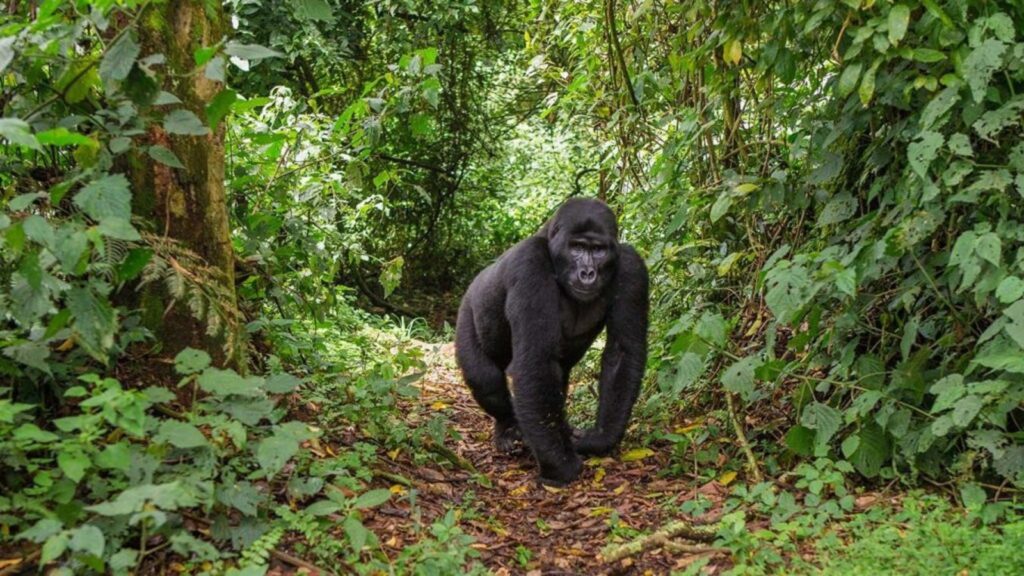
Gorilla habitats sit between 2,200 and 3,000 meters above sea level. Days feel cool and fresh rather than hot. Mornings often start misty, then clear by late morning. Rain falls in short, intense bursts instead of all-day downpours.
Two drier seasons and two wetter seasons define the year. Dry months offer easier hiking and clearer photography. Wet months deliver lush forests, fewer visitors, and excellent value for travelers who don’t mind mud.
January: Dry, Clear, and Comfortable
January sits firmly in the dry season. Skies stay bright, and trails remain firm underfoot. Temperatures feel cool in the mornings and pleasantly warm by midday.
This month suits travelers seeking predictable trekking conditions and good visibility. Gorilla families remain active, and photography becomes easier with fewer rain interruptions. Demand stays high, so permits and lodges often sell out early.
February: Peak Dry Season Conditions
February continues the dry trend with minimal rainfall. Vegetation thins slightly, making it easier to spot gorillas as they move through the forest.
Trekking during February feels physically manageable, even for first-time visitors. The combination of dry trails and clear views makes this one of the most popular months for gorilla safaris.
March: Transition Toward the Rains
March marks a seasonal shift. Rainfall begins to increase slowly, especially toward the end of the month. Trails start to soften, yet conditions remain very manageable.
This month suits travelers who want fewer crowds without fully wet-season conditions. Forests look greener, and gorilla encounters remain just as intimate.
April: Lush Forests and Fewer Visitors
April brings heavier rains and thicker vegetation. Trails turn muddy, and treks may last longer due to slippery terrain.
Despite the rain, gorilla trekking continues daily. This month rewards adventurous travelers with quiet forests, rich greenery, and lower lodge rates. Photographers enjoy dramatic misty backdrops that add depth and mood to images.
May: End of the Long Rains
Rainfall remains present in May but gradually decreases. Forests appear at their greenest, and waterfalls run full.
This month balances lower visitor numbers with improving trekking conditions. Gorilla permits often remain easier to secure, making May attractive for flexible travelers.
June: Dry Season Returns
June signals the return of the dry season. Rainfall drops sharply, and trails dry out quickly.
This month offers excellent trekking conditions and cooler daytime temperatures. Wildlife photography improves again as cloud cover reduces. June also marks the beginning of peak travel demand.
July: Cool, Dry, and Popular
July delivers stable weather with cool mornings and clear afternoons. Rainfall stays minimal, and visibility improves across all parks.
This month attracts travelers from Europe and North America during summer holidays. Expect higher lodge occupancy and early permit bookings, especially in Rwanda.
August: Prime Gorilla Trekking Month
August mirrors July in weather but often feels slightly cooler. Forest paths remain firm, and trekking times shorten.
This month suits travelers who want the highest comfort levels during treks. Due to strong demand, early planning becomes essential.
September: Dry Season Winds Down
September remains relatively dry, though occasional showers return late in the month. Conditions still favor trekking, with manageable trails and mild temperatures.
This period offers a quieter alternative to July and August while maintaining excellent trekking quality.
October: Short Rains Begin
October introduces short rains. Showers usually arrive in the afternoons and rarely disrupt morning treks.
Forests regain fresh greenery, and crowds thin out. This month suits travelers who value balance between comfort, scenery, and availability.
November: Wet, Green, and Peaceful
November experiences increased rainfall, though less intense than April. Trails can become muddy, yet treks remain rewarding.
This month attracts photographers and budget-focused travelers. Gorilla families stay active, and permits remain widely available.
December: Festive Dry Season Window
December starts wet but transitions into drier conditions by mid-month. Holiday travel increases sharply toward the end of the month.
This period combines festive travel energy with improving weather. Early bookings ensure smooth planning during peak holiday demand.
Best Month Depends on Your Travel Style
No single month fits every traveler. Dry months favor comfort and accessibility. Wet months reward patience with solitude, dramatic scenery, and better value. Gorilla trekking remains exceptional year-round, as gorilla behavior changes little across seasons.
Plan Your Safari With Us
Gorilla trekking deserves careful planning, from permit timing to lodge selection and route logistics. We help you choose the best month based on your fitness level, travel style, and budget. Our team secures permits, designs seamless itineraries, and matches you with trusted lodges near each park.
Start planning today. Enquire now and let us tailor a gorilla safari that fits your ideal season.