Local Food and Farm-to-Table Dining Near Gorilla Parks.
Local food and farm-to-table dining near gorilla parks add rich flavor to the gorilla trekking experience. These meals connect travelers to the land, the people, and the rhythms of rural life around protected forests. Fresh ingredients, traditional recipes, and community sourcing define dining in these regions.
Near gorilla parks, food tells a story. It reflects culture, conservation, and everyday life in some of East Africa’s most important landscapes.
Overview of Farm-to-Table Dining Around Gorilla Parks.
Farm-to-table dining near gorilla parks focuses on freshness and locality. Most lodges and community kitchens source food from nearby farms, village markets, and small cooperatives. Vegetables arrive straight from gardens. Milk, eggs, and grains come from neighboring households.
This approach reduces food miles and supports local livelihoods. It also ensures meals feel authentic and nourishing after long trekking days.
The experience feels simple, honest, and deeply connected to place.
Dining Near Bwindi Impenetrable National Park
Local Food Culture Around Bwindi
Communities around Bwindi Impenetrable National Park rely heavily on subsistence farming. Bananas, beans, sweet potatoes, groundnuts, and leafy greens dominate local diets.
Meals often include matoke (steamed green bananas), bean stews, millet bread, and fresh vegetables. Cooking methods remain traditional, using slow simmering and natural spices.
Lodge-Based Farm-to-Table Experiences
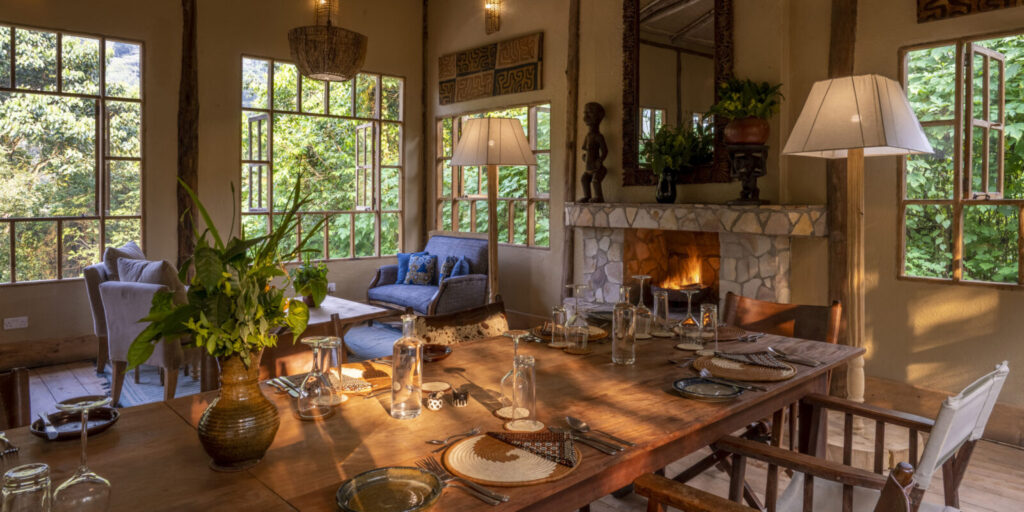
Many lodges near Bwindi maintain their own gardens. Chefs harvest vegetables daily and adapt menus to seasonal availability. Meals feel fresh and filling without being heavy.
Guests often enjoy freshly baked bread, organic salads, and locally raised chicken or goat. Some lodges invite guests to visit their gardens, creating a deeper appreciation of the food journey.
Food Experiences Near Mgahinga Gorilla National Park
Highland Farming and Local Ingredients
The volcanic soils around Mgahinga Gorilla National Park support rich agriculture. Irish potatoes, peas, carrots, and cabbage grow well in the cool climate.
Local dishes reflect this environment. Hearty stews, boiled vegetables, and fresh milk feature heavily. Meals feel warming and satisfying, especially after mountain treks.
Community Meals and Cultural Dining
Some community lodges and guesthouses offer home-style meals prepared by local families. These experiences feel personal and welcoming. Visitors eat what the household eats, prepared with care and pride.
Dining in this way strengthens cultural exchange and ensures tourism benefits reach local homes.
Farm-to-Table Dining Near Volcanoes National Park
Rwandan Cuisine and Fresh Produce
Near Volcanoes National Park, farming remains central to daily life. Beans, maize, sweet potatoes, cassava, and vegetables form the foundation of local meals.
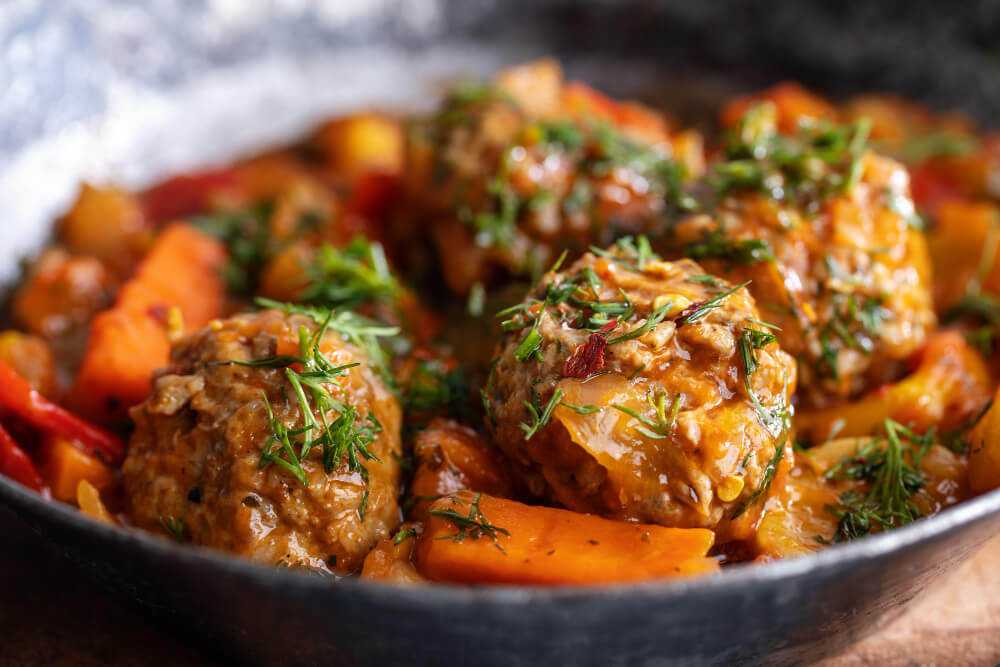
Rwandan cuisine emphasizes balance and simplicity. Dishes often include grilled meats, slow-cooked beans, fresh greens, and seasonal fruits. Flavors remain mild but deeply satisfying.
Lodge Kitchens and Local Sourcing
Many lodges near Volcanoes National Park source produce from Musanze markets and surrounding villages. Chefs blend traditional recipes with modern presentation.
Farm-to-table dining here feels refined yet grounded. Guests enjoy fresh soups, vegetable dishes, and locally inspired desserts after trekking days.
Coffee, Tea, and Local Beverages
Coffee and tea play an important role in the region’s food culture. Uganda and Rwanda both produce high-quality coffee grown on small farms near gorilla parks.
Lodges often serve freshly brewed local coffee and herbal teas made from native plants. These drinks provide comfort and warmth in cool forest climates.
Banana beer and sorghum-based drinks appear in some community experiences, offering insight into traditional brewing methods.
How Food Supports Conservation and Communities
Farm-to-table dining strengthens conservation by supporting local economies. When lodges buy from nearby farmers, communities gain stable income linked directly to wildlife protection.
This model reduces pressure on forest resources. It encourages people to value conservation because tourism provides tangible benefits.
Food becomes part of the conservation story, not just a meal.
Who Will Enjoy These Dining Experiences
Local food and farm-to-table dining suit travelers who value authenticity and connection. Food lovers, cultural travelers, and slow-travel enthusiasts gain the most from these experiences.
Even travelers used to international cuisine often appreciate the freshness and simplicity of local meals. After a physical trek, nourishing food feels especially rewarding.
Best Time to Enjoy Farm-to-Table Dining
Farm-to-table dining works year-round. Seasonal changes influence available produce, but variety remains strong throughout the year.
Rainy seasons bring lush vegetables and greens. Dry seasons highlight root crops and grains. Each season offers a slightly different dining experience.
Planning Food-Focused Experiences Near Gorilla Parks
Travelers can request lodges with strong farm-to-table practices when planning their safari. Some lodges arrange market visits, garden tours, or cooking demonstrations.
Including food-focused experiences in your itinerary deepens your understanding of local life. It adds warmth and meaning to gorilla trekking journeys. Local food near gorilla parks nourishes both body and soul.