Local Cuisine to Try in Uganda and Rwanda
Exploring local cuisine in Uganda and Rwanda adds a rich cultural layer to any gorilla safari. Food here reflects daily life, agricultural rhythms, and deep-rooted traditions passed down through generations. Whether you dine at a safari lodge, a roadside restaurant, or a village home, local dishes tell stories of the land and the people who live alongside Africa’s mountain gorillas.
This guide introduces the must-try local foods in Uganda and Rwanda and explains where and how travelers most often encounter them during safari journeys.
The Role of Food in East African Culture
In both Uganda and Rwanda, meals represent community and hospitality. Food often brings people together, especially in rural areas near gorilla parks. Ingredients come largely from small-scale farming, which gives dishes a fresh, seasonal character.
Most meals rely on staple foods such as bananas, beans, maize, cassava, and sweet potatoes, paired with vegetables, sauces, and occasional meat. Flavors stay natural rather than heavily spiced, allowing the quality of ingredients to stand out.
Traditional Foods to Try in Uganda
Ugandan cuisine centers strongly on matoke, a type of green banana that is steamed and mashed into a soft, comforting dish. Matoke usually appears with groundnut sauce, beef stew, or beans and remains a daily staple in many households. Travelers encounter it frequently at lodges and local restaurants near Bwindi Impenetrable National Park.
Luwombo offers a deeper taste of Ugandan tradition. This dish involves meat, chicken, or mushrooms slowly steamed in banana leaves with sauce, creating a rich, aromatic flavor. Lodges often serve luwombo on cultural evenings or special menus, as it requires time and care to prepare properly.
Another common feature of Ugandan meals is posho, a maize-based dish with a firm texture, often paired with beans or vegetables. While simple, it forms the backbone of many local meals and reflects everyday life across the country.
Ugandan Street Food Experiences
Street food in Uganda feels lively and approachable. One of the most iconic items is the Rolex, a freshly made chapati rolled with eggs and vegetables. It is quick, filling, and widely loved by locals and travelers alike.
In towns along safari routes, roasted maize, cassava, and groundnuts appear in roadside stalls, offering easy snacks during travel days. These foods give travelers a direct connection to daily Ugandan life beyond lodges.
Traditional Foods to Try in Rwanda
Rwandan cuisine shares similarities with Uganda but has its own distinct identity. One of the most notable dishes is isombe, made from cassava leaves cooked with groundnuts. It delivers a hearty, earthy flavor and often appears alongside rice or plantains.
Ibihaza, a dish of pumpkin cooked with beans, reflects Rwanda’s agricultural heritage and appears frequently in local meals. The combination feels simple yet nourishing, especially in cooler highland regions near Volcanoes National Park.
Plantains, sweet potatoes, and Irish potatoes form the base of many Rwandan meals, often served with light sauces or vegetables rather than heavy stews.
Meat Dishes and Grilling Culture
Grilled meat plays an important role in both countries. In Rwanda, brochettes—skewered and grilled meat—remain extremely popular. They appear in local restaurants, bars, and roadside eateries, often served with chips or plantains.
In Uganda, grilled goat and beef feature prominently, especially in evening dining settings. These dishes often accompany social gatherings and provide insight into how food supports community bonding.
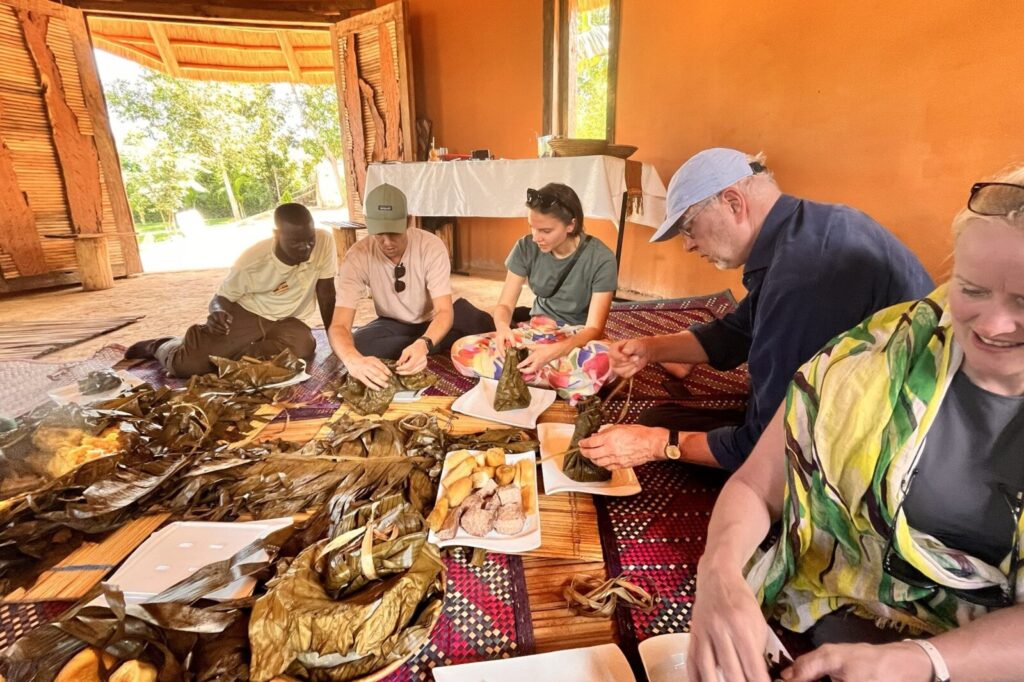
Dining at Safari Lodges
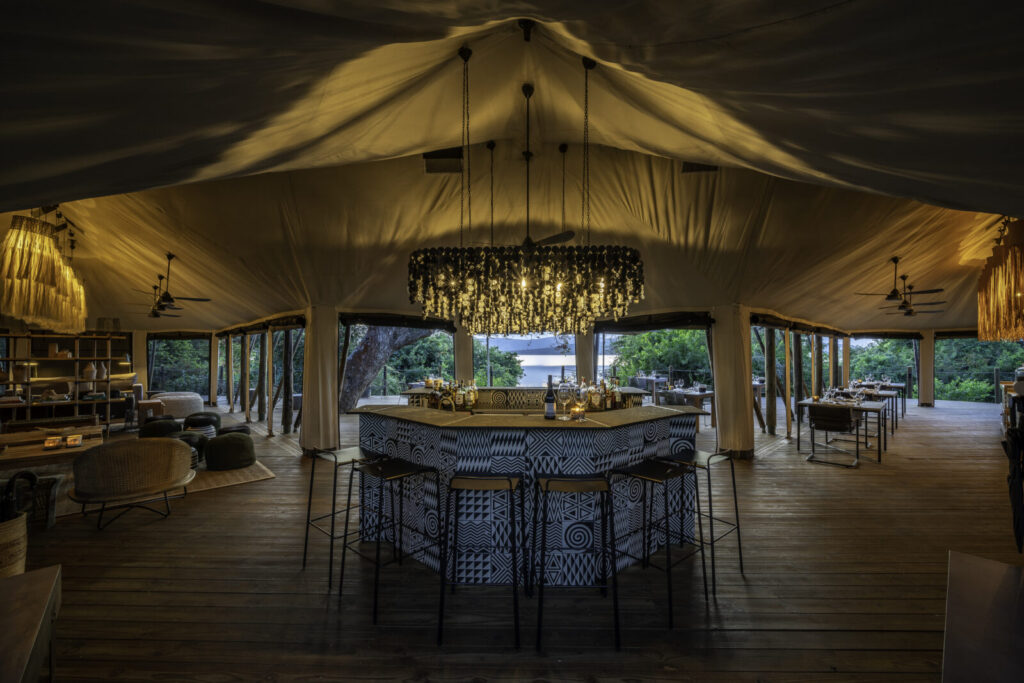
Safari lodges near gorilla parks adapt local cuisine for international travelers while preserving authenticity. Many lodges offer a mix of traditional dishes and international options, allowing guests to explore local flavors at a comfortable pace.
Meals at lodges often highlight fresh produce, locally sourced ingredients, and seasonal variety. After physically demanding treks, these balanced meals play an important role in recovery and enjoyment.
Food Safety and Traveler Comfort
Food safety standards at established lodges and reputable restaurants remain high. Travelers who wish to explore street food should do so with guidance from local drivers or guides, who understand which vendors maintain good hygiene.
Trying local cuisine does not require abandoning comfort. Many travelers find that starting with lodge-based traditional meals builds confidence before venturing into local eateries.
Food as a Cultural Experience
Local cuisine deepens understanding of Uganda and Rwanda beyond wildlife. Sharing meals, tasting traditional dishes, and learning how food is prepared creates meaningful cultural exchange.
For many travelers, these food experiences become as memorable as gorilla encounters themselves.
Plan Your Safari With Us
A well-planned safari includes cultural experiences alongside wildlife. We design itineraries that introduce you to local cuisine through trusted lodges, guided town visits, and cultural encounters. Our planning ensures you enjoy authentic flavors comfortably and safely throughout your journey.
Enquire now and let us plan a gorilla safari that delights not only your sense of adventure but also your taste buds.