Lifespan of Gorillas
Gorilla lifespan. Gorillas are among the longest-living primates in the wild, known for their strong social bonds, intelligence, and slow life history. Their lifespan depends on factors such as species, habitat, threats, and whether they live in the wild or in protected care. Understanding how long gorillas live also helps explain why conservation is so critical to their survival.
Average Lifespan of Gorillas
In the wild, most gorillas live between 35 and 40 years. Some individuals may live slightly longer, especially in stable groups with strong leadership and good access to food. In protected environments such as zoos or sanctuaries, gorillas can live 40 to 50 years, and in rare cases even beyond.
Wild gorillas face challenges that shorten life expectancy, including disease, injuries, habitat loss, and human conflict.
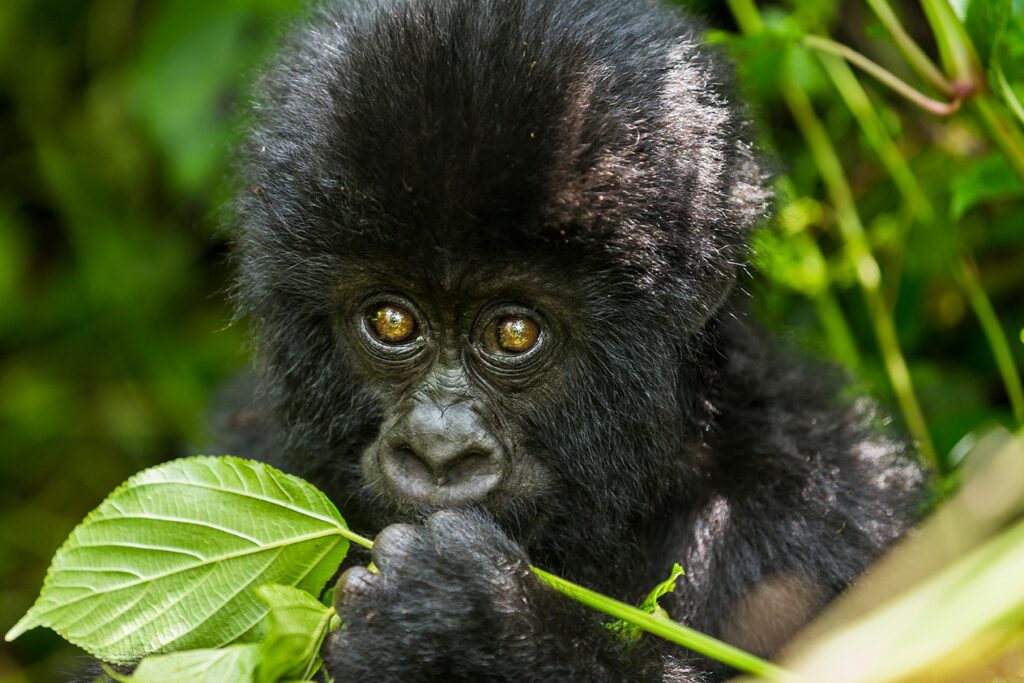
Lifespan by Gorilla Species
Different gorilla species show similar lifespan ranges, but their environments influence survival rates.
Mountain Gorillas
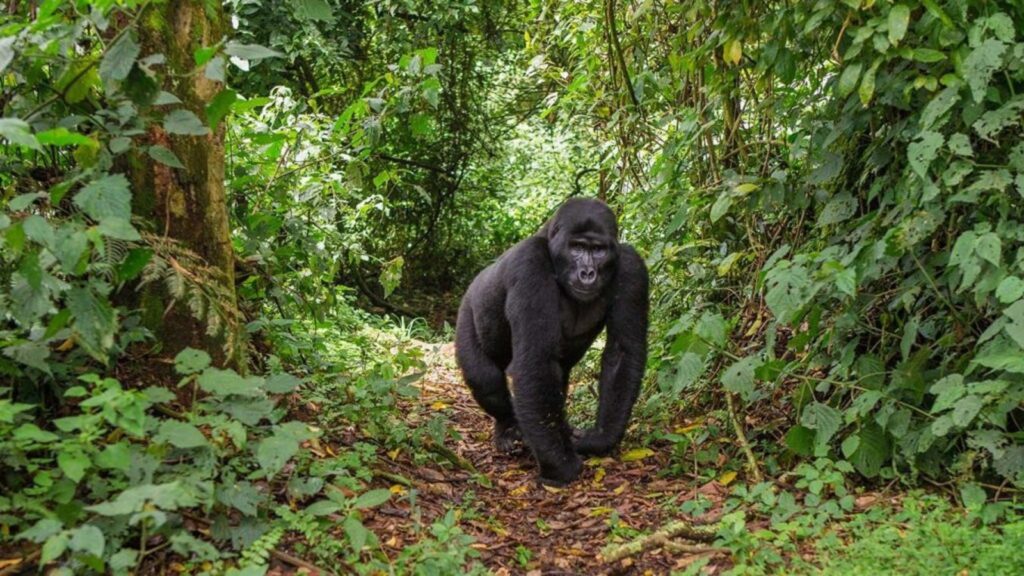
Mountain gorillas, found in Bwindi Impenetrable National Park and Volcanoes National Park, typically live 35–40 years in the wild. Thanks to intensive protection and veterinary monitoring, their survival rates have improved significantly over the past decades.
Western Lowland Gorillas
Western lowland gorillas, the most numerous gorilla subspecies, live mainly in Central African rainforests. In the wild, their lifespan averages 30–40 years, though many face serious threats from poaching and disease outbreaks such as Ebola.
Eastern Lowland Gorillas
Eastern lowland gorillas inhabit remote forest regions of eastern Congo. Their lifespan is similar to other gorillas, but instability and limited conservation access reduce survival chances in some areas.
Lifespan in the Wild vs Captivity
Gorillas in the wild live natural but challenging lives. They face predators rarely, but injuries from falls, fights, or human activity can be fatal. Disease transmission, especially respiratory infections, also affects longevity.
In captivity, gorillas benefit from veterinary care, stable nutrition, and protection from threats. As a result, they often live longer. However, conservation priority remains focused on protecting gorillas in their natural habitats, where they play a vital ecological role.
Factors That Affect Gorilla Lifespan
Several factors influence how long gorillas live:
Habitat quality determines food availability and stress levels. Stable forest environments support longer lives.
Social structure also matters. Strong silverback leadership reduces conflict and injury within groups.
Disease is a major risk, especially respiratory infections transmitted from humans.
Human pressure, including habitat destruction and poaching, remains one of the greatest threats to gorilla survival.
Life Stages of a Gorilla
Gorillas mature slowly, which contributes to their long lifespan.
Infancy lasts from birth to about three years, when young gorillas depend entirely on their mothers.
Juveniles develop social skills and strength until around eight years.
Adults reach full maturity between 10 and 15 years.
Silverbacks can lead groups for decades if they remain healthy and strong.
This slow reproduction rate makes every individual life extremely valuable to the species.
Old Age and Death in Gorillas
As gorillas age, they become less mobile and may lose dominance or withdraw from group leadership. Older silverbacks sometimes leave their groups or are replaced by younger males. In the wild, death usually occurs quietly within the forest, often due to age-related weakness, illness, or injury.
Why Gorilla Lifespan Matters for Conservation
Because gorillas reproduce slowly and live long lives, population recovery takes decades. Losing even a few adult individuals has long-term consequences for group stability and genetic diversity. Conservation efforts led by authorities such as the Uganda Wildlife Authority and regional partners focus on protecting adult gorillas so populations can remain stable and continue growing.
Plan Your Safari
Seeing gorillas in the wild is not just a wildlife experience—it is a glimpse into a long, complex life shaped by family, survival, and resilience. Responsible gorilla trekking supports conservation efforts that help these great apes live out their natural lifespans in protected forests for generations to come.