Kidepo Valley National Park Guide

Kidepo Valley National Park GuideIntroduction Mount Elgon National Park Uganda is one of East Africa's most spectacular mountain destinations, offering breathtaking scenery, diverse wildlife, rich cultural heritage, and exceptional hiking opportunities. Located in eastern Uganda along the border with Kenya, the park protects Mount Elgon, an extinct shield volcano that is believed to be more than 24 million years old. Once the tallest mountain in Africa before millions of years of erosion, Mount Elgon now boasts the world's largest volcanic caldera, measuring approximately 40 kilometers in diameter. Unlike the more demanding climb to Mount Kilimanjaro, Mount Elgon offers a less crowded and more gradual trekking experience, making it suitable for a wide range of hikers. Visitors can explore lush montane forests, bamboo zones, giant lobelia gardens, waterfalls, caves, hot springs, and dramatic cliffs while encountering unique wildlife and hundreds of bird species. Whether you are planning an adventure holiday, a birdwatching trip, or a nature-focused Uganda safari, Mount Elgon National Park provides an unforgettable experience. History of Mount Elgon National Park Mount Elgon has played an important role in the natural and cultural history of eastern Uganda. The mountain was formed by volcanic activity millions of years ago and has gradually been shaped by erosion into the remarkable landscape seen today. Local communities, particularly the Bagisu and Sabiny people, have long regarded the mountain as culturally significant and continue to maintain strong traditions connected to its forests and slopes. Mount Elgon National Park was officially established in 1992 to protect the mountain's ecosystems, wildlife, and water catchment while promoting sustainable tourism and conservation. Location and How to Get There Mount Elgon National Park is located in eastern Uganda near the town of Mbale. The journey from Kampala covers approximately 235 kilometers and usually takes four to five hours by road. The most common route follows the Kampala–Jinja–Iganga–Mbale highway before continuing to the various park entrances. Visitors traveling from Jinja, Sipi Falls, or Pian Upe Wildlife Reserve can also easily include Mount Elgon within a broader eastern Uganda itinerary. Geography and Landscape The landscapes of Mount Elgon National Park Uganda are incredibly diverse. The mountain rises to 4,321 meters above sea level at Wagagai Peak, Uganda's second-highest summit after the Rwenzori Mountains. Dense montane forests gradually transition into bamboo forests, heath vegetation, giant groundsel and lobelia zones, before reaching the expansive volcanic caldera. The park also contains caves, cliffs, waterfalls, hot springs, rivers, and fertile valleys that support exceptional biodiversity. Hiking and Trekking Mount Elgon is one of Uganda's premier hiking destinations. Several well-maintained trekking routes lead visitors through changing vegetation zones toward Wagagai Peak. The most popular routes include the Sasa Trail, Sipi Trail, and Piswa Trail, each offering different scenery and levels of difficulty. Most summit treks require between four and six days, depending on the chosen route and hiking pace. The gradual ascent allows hikers to acclimatize comfortably while enjoying the mountain's remarkable natural beauty. Sipi Trail The Sipi Trail begins near the famous Sipi Falls. This scenic route is popular among hikers because it passes through picturesque farmland, forests, caves, waterfalls, and spectacular viewpoints before joining the higher mountain trails. The combination of beautiful scenery and gradual climbing makes it one of the most enjoyable trekking routes on Mount Elgon. Many visitors combine hiking with visits to the nearby waterfalls. Sasa Trail The Sasa Trail offers the quickest route to Wagagai Peak. Beginning near Budadiri, this trail climbs steeply through bamboo forests before entering the higher alpine vegetation. Although physically demanding during the first day, the route rewards hikers with magnificent mountain scenery and access to the summit in fewer days than other trails. Experienced hikers often choose this route for its efficiency. Piswa Trail The Piswa Trail is the longest but most gradual approach. This route passes through open moorland and extensive grasslands, offering excellent opportunities for wildlife viewing and panoramic mountain photography. Visitors seeking a quieter trekking experience often prefer this less-traveled trail. Its gentle gradient makes it suitable for hikers who prefer a slower ascent. Wildlife in Mount Elgon National Park Although primarily known for hiking, the park supports a variety of wildlife. Visitors may encounter forest elephants, buffaloes, bushbucks, duikers, blue monkeys, black-and-white colobus monkeys, red-tailed monkeys, giant forest squirrels, and numerous smaller mammals. Leopards and hyenas also inhabit the park but are rarely seen due to the dense vegetation. Wildlife sightings complement the park's remarkable scenery. Birdwatching Mount Elgon National Park Uganda is one of Uganda's finest birdwatching destinations. More than 300 bird species have been recorded, including several Albertine Rift endemics. Birdwatchers regularly search for Jackson's Francolin, Tacazze Sunbird, Black-collared Apalis, Eastern Bronze-naped Pigeon, African Goshawk, Hartlaub's Turaco, White-chinned Prinia, and numerous forest and montane species. The varied habitats provide rewarding birding throughout the year. Sipi Falls Sipi Falls lies just outside the national park and is one of eastern Uganda's most famous attractions. The series of three spectacular waterfalls offers excellent hiking, photography, coffee tours, abseiling, and cultural experiences. Many travelers spend one or two nights in the area before beginning their Mount Elgon trek. The falls complement the park perfectly. Caves and Hot Springs Several natural caves can be explored within the park. Historically, elephants visited some caves to extract mineral-rich salt from exposed rock surfaces. Visitors can also discover natural hot springs near the mountain's caldera, adding another fascinating feature to the trekking experience. These geological attractions highlight the mountain's volcanic origins. Cultural Experiences The communities surrounding Mount Elgon preserve rich cultural traditions. Visitors can participate in guided village walks, coffee tours, traditional dance performances, and cultural demonstrations organized by local communities. The Bagisu people are particularly known for the Imbalu circumcision ceremony, an important cultural event celebrated every even-numbered year. These experiences provide valuable insight into eastern Uganda's heritage. Best Time to Visit Mount Elgon can be visited throughout the year. The relatively dry seasons from December to March and June to August generally provide the best trekking conditions because trails remain less slippery. During the rainy seasons, the mountain becomes greener, waterfalls flow more strongly, and photography opportunities improve. Weather conditions can change rapidly at higher elevations, so hikers should prepare accordingly. Accommodation Visitors have a wide range of accommodation options. The Mbale and Sipi Falls areas offer luxury lodges, mid-range hotels, guesthouses, and budget campsites. Several accommodations provide panoramic views of Mount Elgon and convenient access to hiking trails. Early booking is recommended during peak trekking seasons. What to Pack Comfortable hiking boots, layered clothing, waterproof rain gear, warm jackets, gloves, a hat, sunscreen, insect repellent, trekking poles, reusable water bottles, binoculars, and a quality camera are recommended. Preparing for changing weather conditions greatly improves the trekking experience. Conservation and Responsible Tourism The Uganda Wildlife Authority manages Mount Elgon National Park through conservation programs that protect forests, wildlife, water catchments, and biodiversity. Tourism revenue supports habitat restoration, anti-poaching operations, scientific research, ranger training, and community development projects. Visitors contribute directly to these conservation efforts by practicing responsible tourism and respecting park regulations. Protecting Mount Elgon ensures its unique ecosystems remain intact for future generations. Conclusion Mount Elgon National Park Uganda offers one of the country's most rewarding adventure experiences. From its ancient volcanic landscapes and giant caldera to spectacular waterfalls, rich birdlife, diverse wildlife, and outstanding trekking opportunities, the park provides something for every nature enthusiast. Whether you choose a challenging summit trek, a scenic day hike, or combine Mount Elgon with Sipi Falls and other eastern Uganda attractions, this remarkable national park promises unforgettable memories and an authentic wilderness experience. Meta Title Mount Elgon National Park Uganda | Complete Travel Guide Meta Description Discover Mount Elgon National Park Uganda with this complete guide covering hiking trails, wildlife, birdwatching, Sipi Falls, accommodation, travel tips, and the best time to visit. Focus Keyphrase Mount Elgon National Park Uganda SEO Slug mount-elgon-national-park-uganda Suggested Featured Image Filename

Kidepo Valley National Park Guide: The Complete Guide to Uganda’s Most Remote Safari Destination

This Kidepo Valley National Park guide provides everything you need to know before visiting one of Africa’s most spectacular wilderness areas. Located in Uganda’s remote northeastern corner near the borders of South Sudan and Kenya, Kidepo Valley National Park covers approximately 1,442 square kilometers of rugged savannah, rocky outcrops, seasonal rivers, and mountain ranges. Its isolation has preserved an authentic African wilderness that offers visitors uncrowded safaris and exceptional wildlife encounters.

Often described as Uganda’s hidden gem, Kidepo Valley National Park is widely regarded as one of Africa’s finest safari destinations. The park supports an extraordinary diversity of wildlife, dramatic landscapes, and rich cultural heritage, making it an ideal destination for travelers seeking an off-the-beaten-path adventure. Visitors can enjoy game drives, guided nature walks, birdwatching, cultural experiences with the Karamojong people, and breathtaking scenery unlike anywhere else in Uganda.

Whether you are planning your first Uganda safari or looking to explore beyond the country’s more popular parks, Kidepo Valley National Park promises an unforgettable experience.

History of Kidepo Valley National Park

Kidepo Valley National Park was officially gazetted in 1962, shortly after Uganda gained independence.

The park was established to protect the unique wildlife and ecosystems of the Karamoja region while preserving one of East Africa’s last remaining true wilderness landscapes. Due to its remote location, Kidepo experienced relatively little tourism for many years, allowing wildlife populations and natural habitats to remain largely undisturbed.

Today, improved infrastructure and growing interest in adventure travel have made the park increasingly popular among wildlife enthusiasts.

Location and How to Get There

Kidepo Valley National Park is situated in the Karamoja sub-region of northeastern Uganda.

The journey from Kampala by road covers approximately 570 kilometers and usually takes ten to twelve hours, depending on the chosen route and road conditions. Many visitors break the journey with overnight stops in Gulu, Kitgum, or Moroto.

Domestic flights from Entebbe International Airport or Kajjansi Airfield provide a faster alternative, with scheduled services operating to Kidepo Airstrip several times each week.

Landscape and Scenery

One of the greatest attractions of Kidepo is its breathtaking scenery.

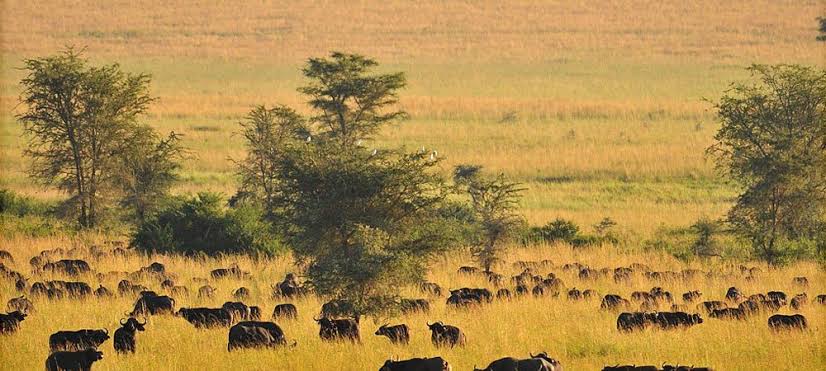
The park is surrounded by the rugged Morungole Mountains and crossed by the seasonal Kidepo and Narus Rivers. Vast golden savannah plains stretch toward distant mountain ranges, while rocky kopjes and acacia woodlands create dramatic contrasts throughout the landscape.

The scenery alone makes Kidepo one of Africa’s most photogenic national parks.

Wildlife in Kidepo Valley National Park

The park supports more than 75 mammal species, making it one of Uganda’s richest wildlife destinations.

Visitors regularly encounter African elephants, Cape buffaloes, giraffes, zebras, elands, hartebeests, Jackson’s hartebeests, oribis, waterbucks, bushbucks, Uganda kobs, warthogs, and numerous smaller mammals. Many species found here occur nowhere else in Uganda, making the park particularly attractive for experienced safari travelers.

The abundance of wildlife ensures rewarding game drives throughout the year.

Predators of Kidepo

Kidepo is famous for its impressive predator population.

Lions are commonly seen across the Narus Valley, while leopards inhabit rocky hillsides and woodland areas. The park also supports cheetahs, spotted hyenas, side-striped jackals, bat-eared foxes, and smaller carnivores.

Kidepo is the only national park in Uganda where visitors have a realistic opportunity to see wild cheetahs.

Birdwatching

Bird enthusiasts will find Kidepo exceptionally rewarding.

More than 475 bird species have been recorded within the park. Highlights include the Ostrich, Kori Bustard, Secretary Bird, Abyssinian Ground Hornbill, Karamoja Apalis, Pygmy Falcon, Egyptian Vulture, Verreaux’s Eagle, Red-throated Bee-eater, and numerous raptors and migratory species.

The diversity of habitats makes birdwatching productive throughout the year.

Best Game Drive Areas

The Narus Valley is the park’s primary wildlife viewing area.

Because it contains permanent water sources, wildlife concentrates here during much of the year, providing excellent opportunities to observe elephants, buffaloes, lions, giraffes, zebras, and numerous antelope species.

The Kidepo Valley, although drier for much of the year, offers spectacular scenery and seasonal wildlife viewing while showcasing the park’s remarkable wilderness character.

Guided Nature Walks

Walking safaris offer visitors a unique way to experience Kidepo.

Accompanied by armed Uganda Wildlife Authority rangers, visitors explore selected areas on foot while learning about animal tracks, plants, geology, and smaller wildlife often overlooked during vehicle safaris.

Walking through the African wilderness provides an entirely different perspective on the park’s ecosystems.

Cultural Experiences

Kidepo is closely associated with the indigenous Karamojong people.

Many visitors enjoy guided cultural visits to traditional Karamojong villages, where they learn about local customs, livestock-based livelihoods, traditional dances, architecture, crafts, and daily life.

These cultural experiences add valuable insight into one of Uganda’s most distinctive communities.

Best Time to Visit

Kidepo Valley National Park can be visited throughout the year.

The dry seasons from September to March generally provide the best wildlife viewing because animals gather around permanent water sources in the Narus Valley. During the rainy seasons, the landscape becomes lush and green, offering spectacular scenery and excellent birdwatching opportunities.

Morning and late afternoon remain the most productive times for wildlife activity.

Accommodation

Accommodation options cater to a range of budgets.

Luxury safari lodges overlook the Narus Valley, while comfortable mid-range lodges, tented camps, and budget campsites provide additional choices for travelers seeking different experiences.

Many accommodations offer panoramic views of the surrounding plains and mountains.

What to Pack

Visitors should bring lightweight neutral-colored clothing, comfortable walking shoes, binoculars, sunscreen, insect repellent, a reusable water bottle, a wide-brimmed hat, warm clothing for cool evenings, and a camera with a telephoto lens.

Packing appropriately enhances comfort during both game drives and walking safaris.

Combining Kidepo with Other Destinations

Kidepo combines well with several other Ugandan attractions.

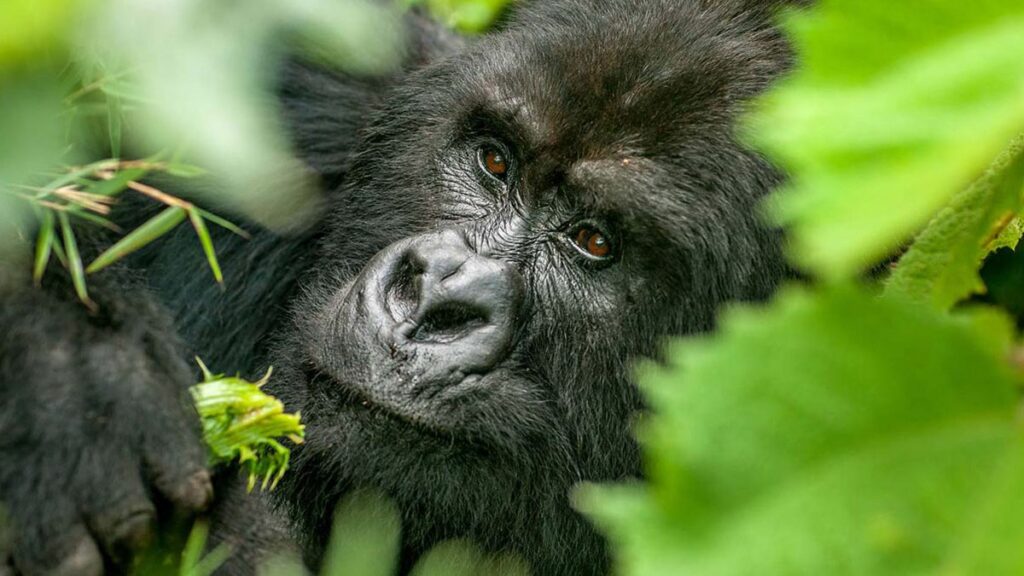
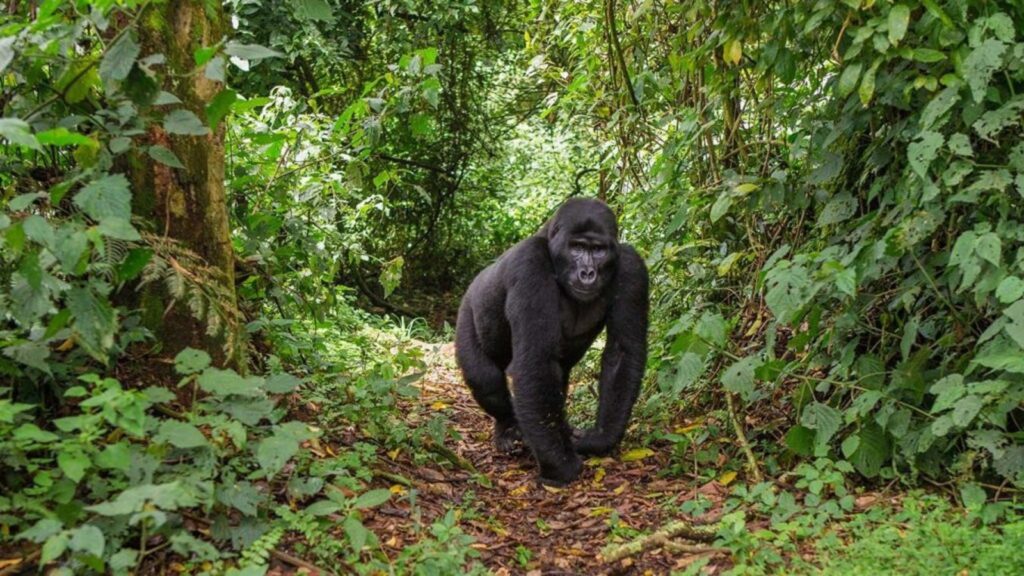
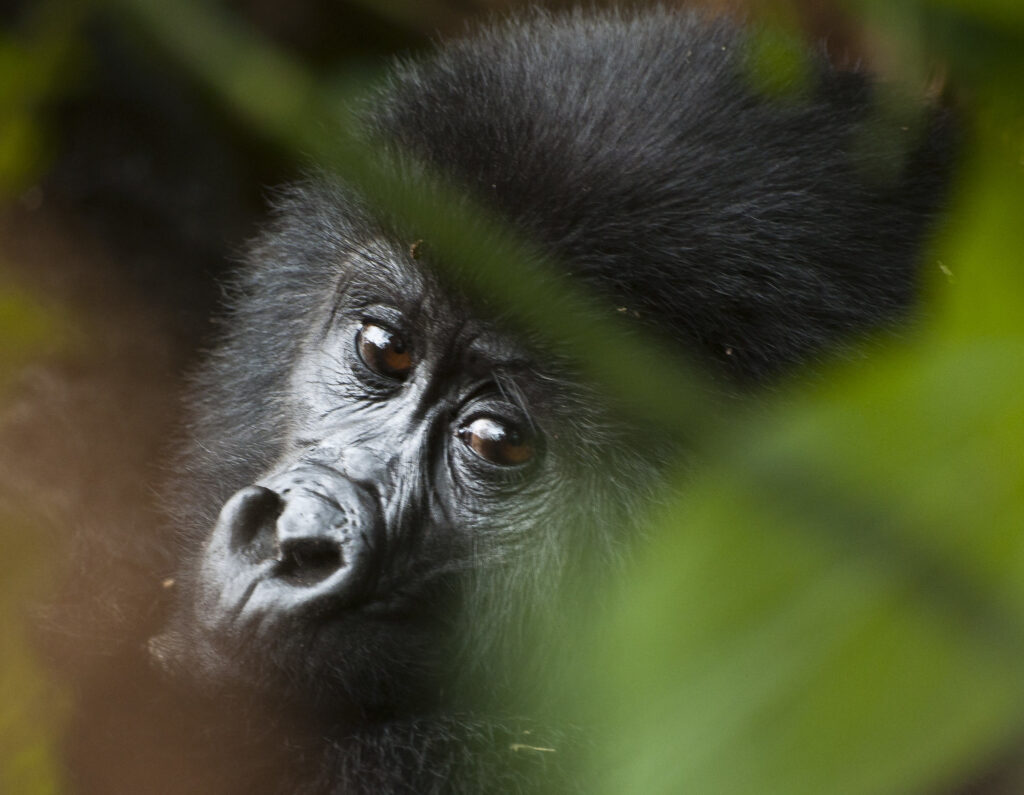
Many itineraries include Murchison Falls National Park, Ziwa Rhino Sanctuary, Pian Upe Wildlife Reserve, Sipi Falls, Mount Elgon National Park, Kibale National Park, Queen Elizabeth National Park, and Bwindi Impenetrable National Park for mountain gorilla trekking.

These combinations showcase Uganda’s remarkable ecological diversity.

Conservation and Responsible Tourism

The Uganda Wildlife Authority manages Kidepo Valley National Park through comprehensive conservation programs.

Anti-poaching patrols, wildlife monitoring, habitat protection, scientific research, community engagement, and sustainable tourism all contribute to preserving the park’s unique biodiversity. Tourism revenue supports both conservation activities and local community development.

Responsible visitors play an important role in safeguarding this extraordinary wilderness.

Conclusion

This Kidepo Valley National Park guide demonstrates why the park is considered one of Africa’s greatest safari destinations. Spectacular landscapes, abundant wildlife, rare predators, outstanding birdwatching, authentic cultural experiences, and remarkably few crowds combine to create an unforgettable wilderness adventure.

Whether explored independently or combined with gorilla trekking and Uganda’s other national parks, Kidepo Valley National Park offers an authentic African safari experience that few destinations can match.

Scroll to Top