How Volcanoes National Park Balances Tourism and Conservation
Volcanoes National Park stands as one of Africa’s strongest examples of conservation success. The park attracts travelers from around the world while protecting endangered mountain gorillas and fragile forest ecosystems. This balance between tourism and conservation creates a model that other parks study and admire. Understanding how the park manages this balance helps trekkers appreciate the impact of their visit.

The Foundation of Rwanda’s Conservation Vision
Rwanda places conservation at the center of national development. The government works closely with local communities, private operators, and conservation partners. This united approach creates long-term protection for wildlife and generates income through responsible tourism. The park grows stronger each year because every partner understands their role.
Strict Visitor Management Protects Gorilla Families
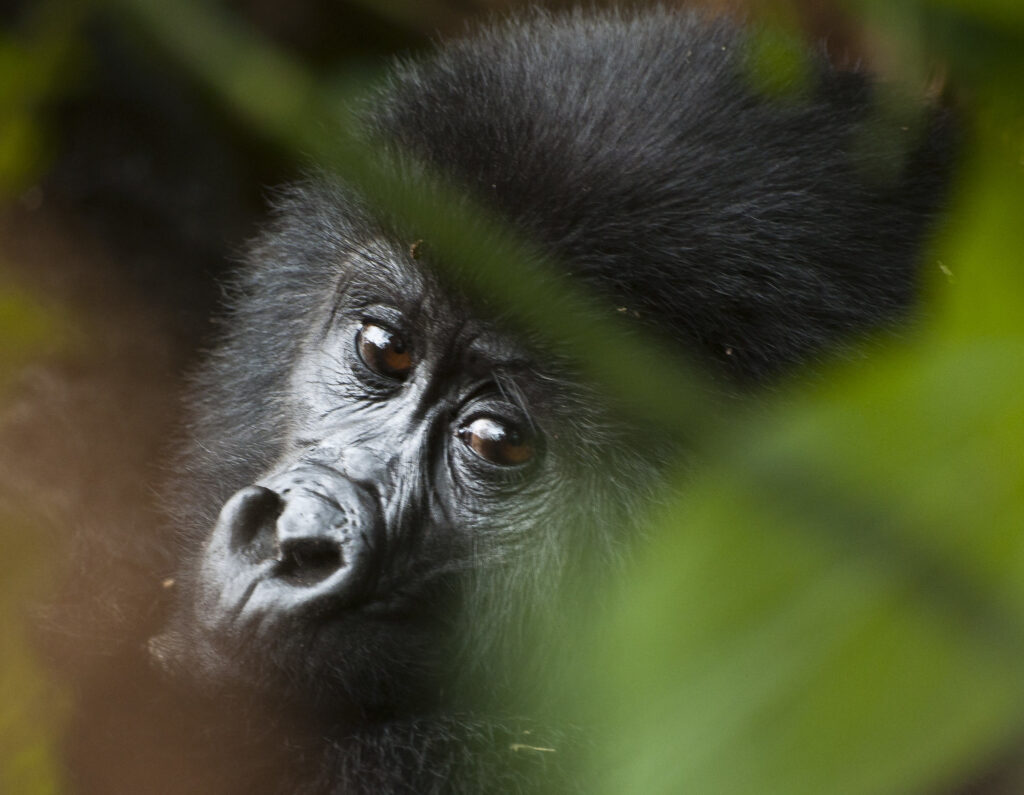
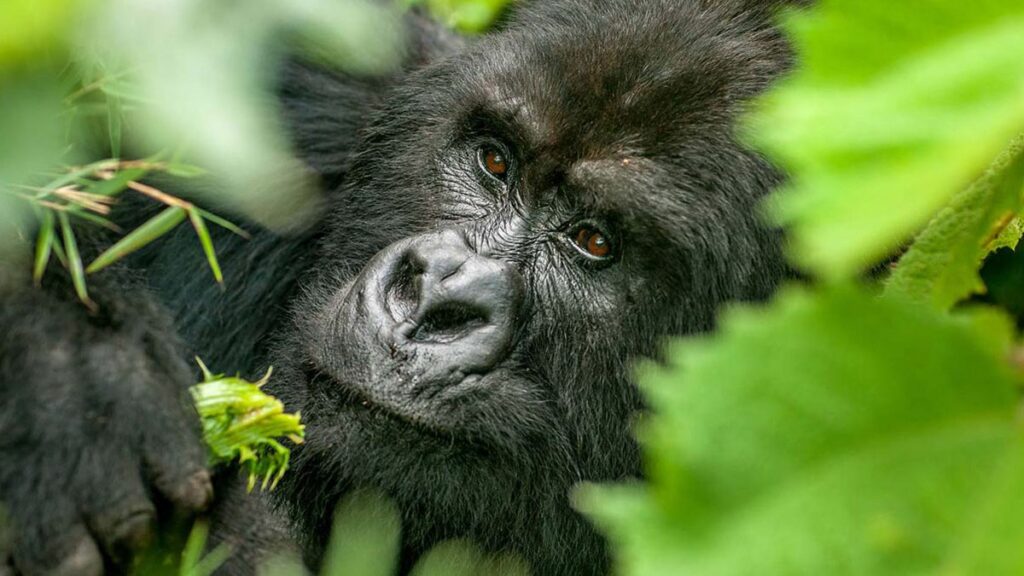
The park limits the number of daily gorilla trekkers. Each gorilla family receives only one group per day. Each group holds a maximum of eight trekkers. Rangers assign groups carefully to reduce stress on the gorillas. This system protects gorilla behavior, health, and natural movement. It also keeps the forest calm and predictable.
High-Value Tourism Supports Conservation
Rwanda uses a high-value, low-impact tourism model. Gorilla permits cost more than many wildlife experiences in Africa. This income funds ranger salaries, veterinary programs, research, and community projects. Each dollar strengthens protection for the gorillas and ensures their survival. Travelers enjoy premium experiences while supporting serious conservation work.
Community Involvement Keeps the Forest Safe
Communities near the park stay deeply involved in conservation. Tourism revenue funds schools, health centers, and road projects. Community lodges and cultural tours create jobs. Locals receive a share of tourism income through Rwanda’s revenue-sharing program. When communities benefit, they protect the forest with pride. This partnership reduces conflict and strengthens long-term conservation.
Research and Monitoring Guide Management
Researchers monitor gorilla behavior, health, and movement every day. Veterinary teams respond when injuries occur. Scientists track vegetation changes, climate patterns, and wildlife distribution. This information guides policy and supports wise decision-making. The park adapts quickly because every decision comes from real data.
Rangers Play a Central Role in Protection
Rangers patrol the forest daily. They track gorilla families, remove snares, and guide trekkers. Their experience shapes every conservation effort. They know the forest, understand wildlife behavior, and respond to challenges with skill. Their presence creates safety for wildlife and visitors.
Controlled Infrastructure Reduces Environmental Pressure
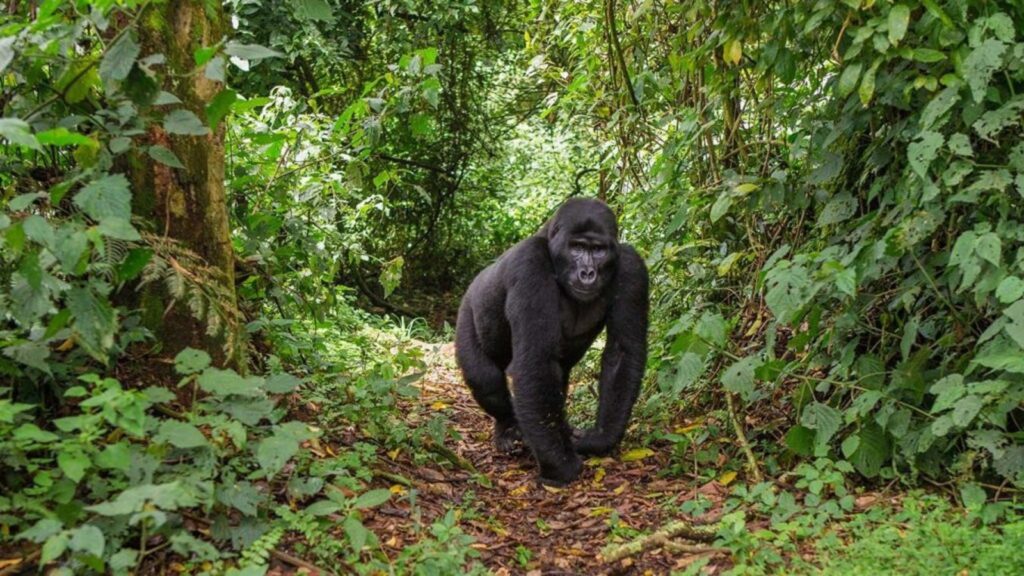
Volcanoes National Park limits construction inside the protected area. Trails follow natural paths and avoid sensitive zones. New developments stay outside the boundaries to protect forest cover. This approach keeps the ecosystem intact and reduces human footprint inside the park.
Sustainable Trekking Practices
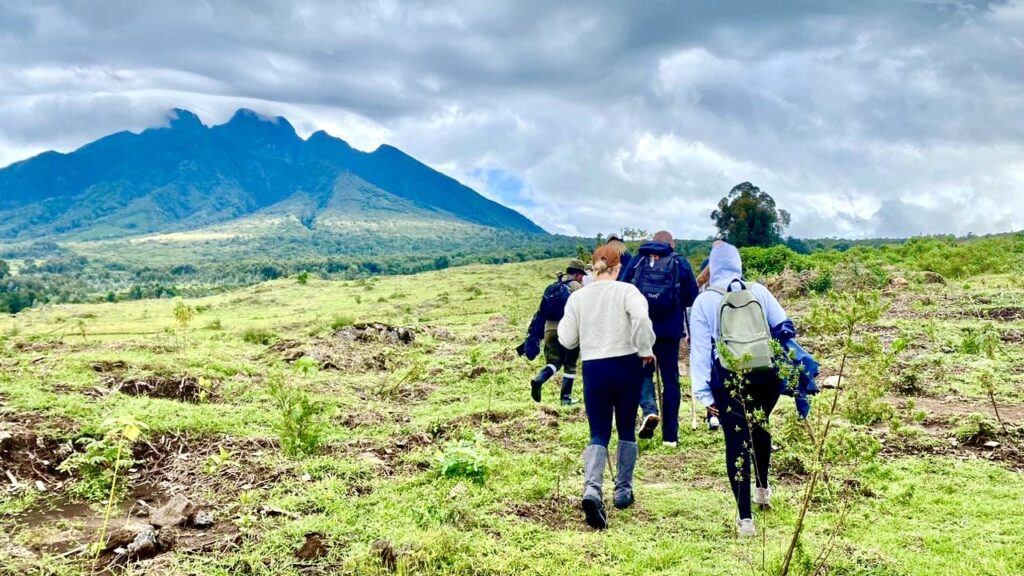
Trekkers follow strict rules that protect the environment. Keeping a safe distance from gorillas. They avoid dropping litter. They speak softly inside the forest. These simple actions reduce stress on the animals and preserve natural habitats. Rangers reinforce these rules to build responsible tourism.
Festival Participation Strengthens Awareness
Kwita Izina, Rwanda’s annual gorilla naming ceremony, highlights conservation progress. The event attracts global attention and celebrates new gorilla infants. The ceremony inspires local pride and boosts global interest in gorilla protection. It also strengthens the link between tourism, culture, and conservation.
Revenue Fuels Future Protection
Tourism funds long-term forest expansion and habitat restoration. The government plans to increase the park’s size to protect growing gorilla populations. Expanding forest corridors strengthens biodiversity and creates more space for wildlife. This vision shows Rwanda’s commitment to decades of conservation.
Plan Your Responsible Trek
Volcanoes National Park protects wildlife and benefits travelers at the same time. When you join a trek, you support conservation and help local communities thrive. Your visit leaves a lasting impact on the forest and the gorilla families that live there.
For gorilla permits, conservation-focused tours, and lodge bookings, inquire and book with us at https://www.gorilla-permits.com.