
How to Support Local Artisans and Cooperatives
Supporting local artisans and cooperatives is one of the most direct ways travelers can leave a positive, lasting impact in gorilla regions. Handcrafted items in Uganda and Rwanda are not souvenirs produced for tourists alone; they represent skills, stories, and livelihoods rooted in community identity. When travelers choose to engage thoughtfully with artisans, tourism becomes a tool for empowerment rather than extraction.
This guide explains how travelers can support local artisans and cooperatives responsibly while visiting gorilla trekking destinations.
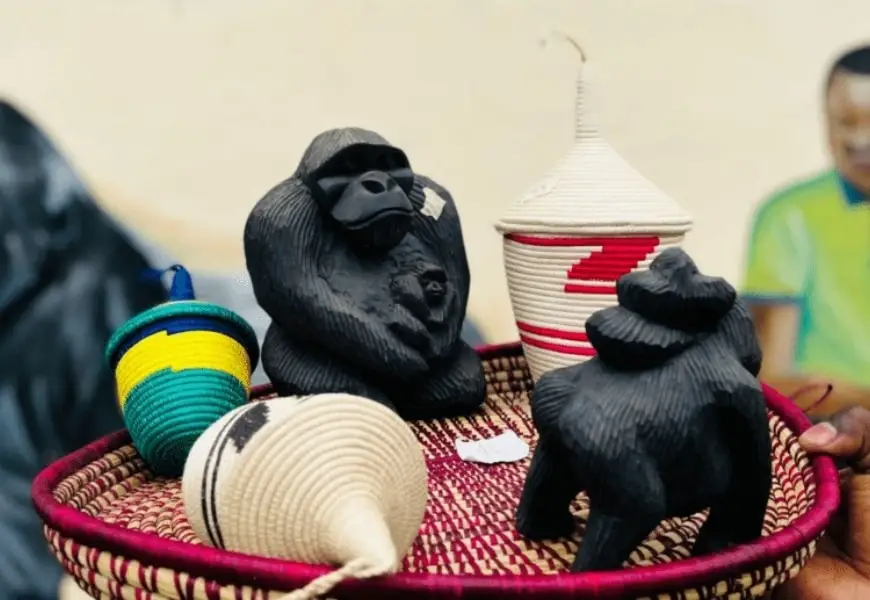
Why Artisans and Cooperatives Matter in Gorilla Regions
Communities living near gorilla parks often depend on diversified livelihoods that complement conservation. Artisan groups and cooperatives provide income that reduces pressure on forests and wildlife while preserving traditional skills such as weaving, carving, pottery, and beadwork.
Around Bwindi Impenetrable National Park and Volcanoes National Park, many cooperatives formed in response to conservation policies that limited access to forest resources. Supporting these groups strengthens community resilience and reinforces the link between conservation and economic opportunity.
Understanding What a Cooperative Represents
A cooperative is more than a group of individuals selling crafts. It is a structured, community-led organization where members share resources, training, and income. Many cooperatives focus on empowering women, Indigenous groups, or youth who have limited access to formal employment.
When you buy from a cooperative, your money often supports school fees, healthcare, housing, and skills training for multiple families rather than a single vendor.
Buying Directly from Artisans
Purchasing items directly from artisans or cooperative outlets ensures that your money reaches the people who created the work. Local markets, community craft centers, and lodge-curated artisan shops often provide safe and respectful spaces for these exchanges.
Taking time to learn how an item is made and what it represents adds meaning to the purchase. Artisans value genuine interest in their work, not just the transaction itself.
Respectful Interaction When Shopping
Supporting artisans also involves how you interact. Polite greetings, patience, and friendly conversation build mutual respect. Bargaining exists in some markets, but aggressive negotiation can undervalue labor and effort.
A fair price that reflects craftsmanship and time invested contributes more positively than pushing for the lowest possible cost. Remember that what may seem like a small amount to a traveler often carries significant value locally.
Choosing Authentic and Ethical Products
Authentic crafts are usually handmade using local materials and traditional techniques. Mass-produced items imported from elsewhere offer little benefit to local communities, even if they appear similar.
Asking where and how an item was made helps you identify genuine products. Guides and lodge staff often know which cooperatives operate ethically and which items truly support local livelihoods.
Supporting Indigenous and Marginalized Groups
Some cooperatives represent Indigenous or historically marginalized communities, including Batwa artisan groups near Bwindi and Mgahinga. Supporting these initiatives helps preserve cultural identity while providing income opportunities shaped by community priorities.
Approach these purchases with respect rather than charity. Artisans are professionals offering skill and creativity, not recipients of aid.
Beyond Buying: Other Ways to Support Cooperatives
Support does not always require purchasing goods. Visiting cooperative workshops, learning about production processes, and sharing accurate stories about these groups after your trip also contribute positively.
Some travelers support cooperatives by placing follow-up orders, recommending them to others, or supporting associated community projects through trusted channels.
Avoiding Common Mistakes Travelers Make
One common mistake is buying items simply because they appear cheap, without considering origin or impact. Another is photographing artisans or their work without permission, which can feel intrusive.
Respectful engagement values people and process over price or novelty.
Long-Term Impact of Responsible Support
When artisans and cooperatives thrive, communities gain stronger incentives to protect surrounding environments. Tourism revenue tied to craftsmanship supports education, healthcare, and sustainable development, reinforcing the connection between conservation and community wellbeing.
This impact continues long after the traveler has returned home.
Plan Your Safari With Us
We integrate ethical community engagement into every safari we plan. Our itineraries include opportunities to visit trusted cooperatives and artisan groups where support flows directly to local makers. We also guide travelers on respectful interaction and fair purchasing practices.
Enquire now and let us plan a gorilla safari where your journey supports creativity, culture, and community livelihoods in a meaningful way.