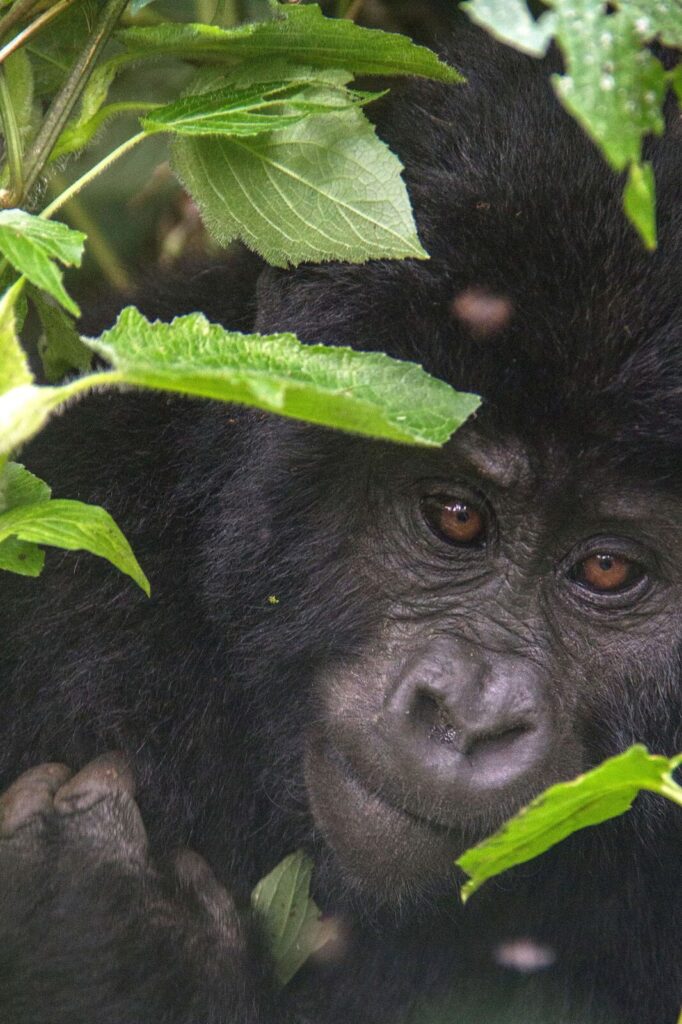
How to Plan a Gorilla Trekking Safari Step-by-Step
Planning a gorilla trekking safari requires thoughtful preparation, precise timing, and a clear understanding of how the experience works. Because gorilla trekking is highly regulated and permits are limited, a step-by-step approach helps ensure a smooth, ethical, and rewarding journey. Whether you plan to trek in Uganda or Rwanda, the fundamentals remain the same.
Step 1: Choose the Right Gorilla Trekking Destination
The first step is selecting where you want to trek gorillas. In East Africa, mountain gorilla trekking is available in Uganda and Rwanda, with each destination offering a distinct experience.
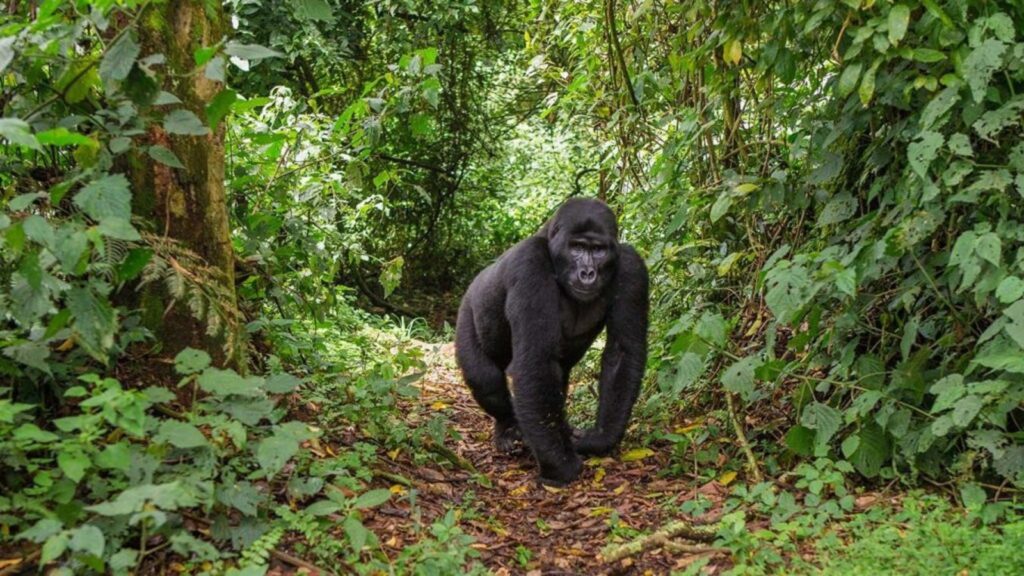
Uganda offers trekking in Bwindi Impenetrable Forest National Park and Mgahinga Gorilla National Park, known for dense rainforest, varied terrain, and a wider range of permit prices. Rwanda conducts trekking exclusively in Volcanoes National Park, which is more accessible from the capital and offers a shorter travel time.
Your choice should depend on budget, travel style, fitness level, and how much time you have available.
Step 2: Decide the Best Time to Go Gorilla Trekking
Gorilla trekking takes place year-round, but seasonal conditions affect trail difficulty, crowd levels, and overall comfort. The dry seasons, typically from June to September and December to February, provide easier hiking conditions and attract higher demand.
The wetter months, from March to May and October to November, offer greener scenery and fewer visitors. Gorilla sightings remain excellent throughout the year because the gorillas do not migrate. Planning your travel dates early helps secure permits during your preferred season.
Step 3: Secure Your Gorilla Trekking Permit Early
A gorilla trekking permit is mandatory and must be secured before making other travel arrangements. Each permit allows one trek and one hour with a habituated gorilla family, accompanied by professional rangers and trackers.
Permit availability is strictly limited each day to protect the gorillas. In peak seasons, permits can sell out months in advance. Booking early ensures you get your preferred dates and park sector, especially if you are traveling during holidays or dry months.
Step 4: Choose Accommodation Near the Trekking Sector
Accommodation should be selected after confirming your permit, as trekking sectors determine where you start your hike. Staying close to your assigned sector reduces early-morning travel and fatigue on trekking day.
Lodges range from budget community camps to luxury eco-lodges, all designed to support conservation and local communities. Comfort level, proximity to the park gate, and road accessibility should guide your choice.
Step 5: Plan Transportation and Transfers
Gorilla trekking destinations are located in remote forested regions, so transportation logistics matter. Travelers can reach the parks by road or domestic flight, depending on budget and time constraints.
Road transfers offer scenic views and cultural encounters, while flights save time and reduce travel fatigue. Reliable ground transport is essential, as trekking days start early and require punctual arrival at the park headquarters.
Step 6: Prepare Physically and Mentally for the Trek
Gorilla trekking involves hiking through forested terrain that can be steep, muddy, and uneven. While the pace is manageable, a moderate level of fitness improves comfort and enjoyment.
Mental preparation is equally important. Treks can last from one to several hours depending on gorilla movements. Patience, flexibility, and respect for ranger instructions ensure a safe and meaningful encounter.
Step 7: Pack Appropriately for Gorilla Trekking
Packing correctly enhances your trekking experience. Weather in gorilla habitats can change quickly, and forest conditions require practical clothing and gear.
Comfortable hiking boots, long trousers, waterproof layers, gloves, and daypacks are essential. A walking stick is often provided at the park and can be extremely helpful on steep or slippery sections.
Step 8: Understand Gorilla Trekking Rules and Etiquette
Before trekking, rangers conduct a detailed briefing outlining safety and conservation rules. These guidelines protect both visitors and gorillas.
Maintaining distance, limiting noise, avoiding direct eye contact, and following photography rules are critical. If you feel unwell, you must not trek, as gorillas share many human illnesses.
Step 9: Experience the Gorilla Encounter
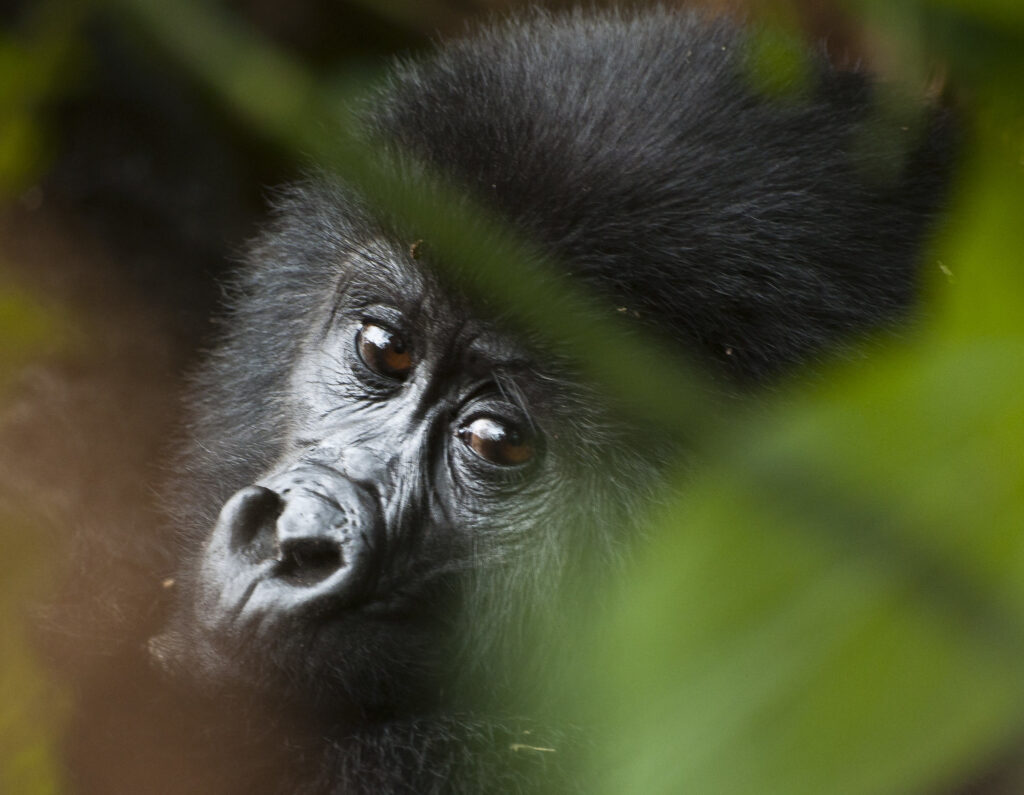
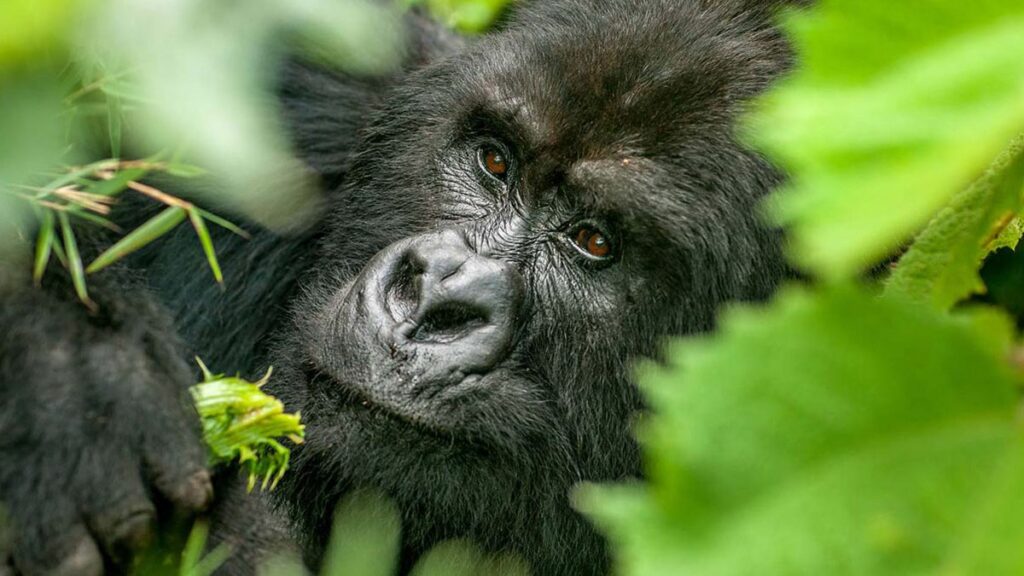
The moment you meet a gorilla family is often described as life-changing. Observing their behavior, family bonds, and interactions in the wild creates a deep emotional connection to conservation.
You are allowed one hour with the gorillas, during which time rangers guide your positioning and movements. This limited interaction minimizes stress on the animals while allowing a powerful wildlife experience.
Step 10: Extend Your Safari Experience
Many travelers combine gorilla trekking with other activities such as golden monkey tracking, wildlife safaris, cultural visits, or city tours. Extending your itinerary adds depth and value to your journey.
Responsible travel choices help support conservation and local livelihoods long after your trek ends.
Final Thoughts
Planning a gorilla trekking safari step-by-step ensures you respect conservation rules, secure limited permits, and enjoy one of Africa’s most profound wildlife encounters. With the right preparation, gorilla trekking becomes more than a trip—it becomes a meaningful contribution to protecting one of the planet’s most endangered species.