How to Choose the Right Lodge for Gorilla Trekking
Choosing the right lodge for gorilla trekking shapes your entire experience, from how rested you feel on trekking morning to how smoothly logistics unfold. Gorilla trekking happens early, deep in remote rainforest terrain, where comfort, location, and reliability matter more than luxury alone. A well-chosen lodge supports your trek physically, mentally, and logistically, while a poor choice can add unnecessary stress to an already demanding adventure.
This guide explains how to choose the right lodge for gorilla trekking in Uganda and Rwanda, with a focus on practicality, comfort, and experience quality.
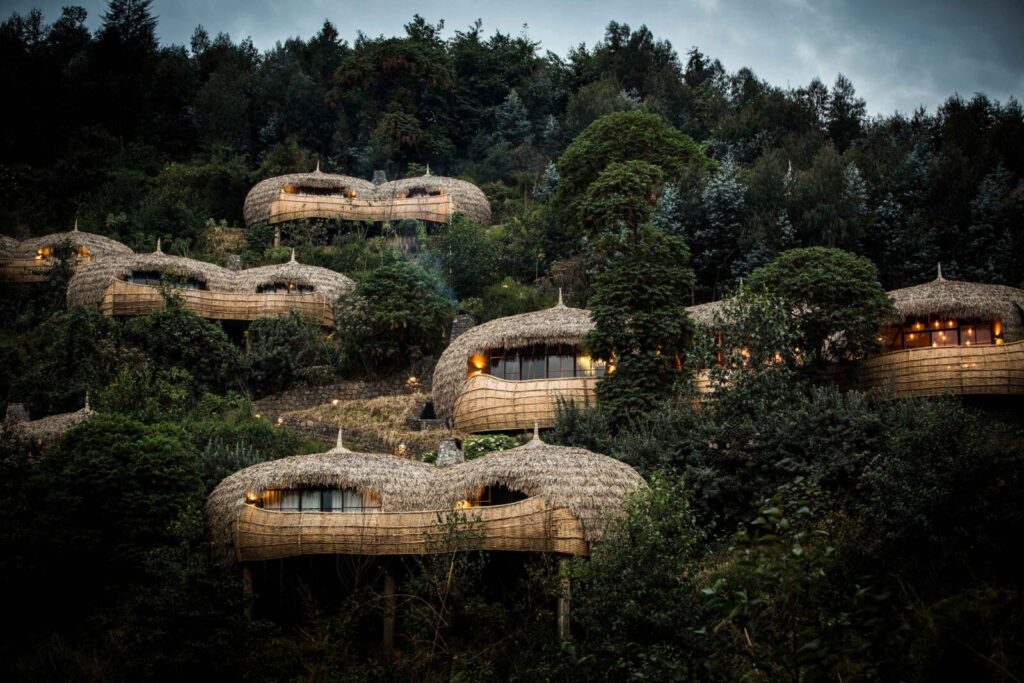
Why Lodge Choice Matters for Gorilla Trekking
Gorilla trekking is not a typical safari activity. You wake early, travel to briefing points before sunrise, and hike through steep, humid forest for several hours. The lodge you choose determines how early you wake up, how far you travel in the morning, and how well you rest the night before.
A lodge located far from your trekking sector can mean long, bumpy drives in the dark, increasing fatigue before the trek even begins. The right lodge minimizes travel time, allows proper rest, and keeps your focus where it belongs—on the gorilla encounter.
Match Your Lodge to the Trekking Location
Location should be your first consideration. In Uganda, gorilla trekking takes place across multiple sectors within Bwindi Impenetrable National Park, each with its own briefing point and access roads. Staying near the correct sector avoids unnecessary transfers and early-morning stress.
In Rwanda, trekking occurs within Volcanoes National Park, where lodges cluster around Musanze and nearby foothills. While distances are shorter than in Bwindi, proximity still improves comfort and flexibility.
Your permit location and lodge location should always align. Booking them separately without coordination often leads to mismatches.
Consider Your Fitness and Comfort Level
Not all gorilla treks feel the same. Some involve longer hikes, steeper slopes, and thicker vegetation. Travelers with moderate fitness, joint concerns, or limited trekking experience benefit from lodges closer to lower-altitude trekking areas when available.
Comfort also plays a role after the trek. Hot showers, warm meals, and quiet surroundings support recovery. After hours in wet forest conditions, simple comforts matter more than elaborate design features.
Understand Lodge Categories Beyond Price
Lodges near gorilla parks generally fall into budget, midrange, and luxury categories, but price alone does not define suitability. A well-run midrange lodge near the briefing point can offer a better overall experience than a luxury lodge located far away.
Budget lodges often provide basic but functional comfort and suit travelers who prioritize the trek itself. Midrange lodges balance comfort and value, offering good food, private bathrooms, and attentive service. Luxury lodges emphasize spacious rooms, refined dining, and personalized service, often paired with exceptional views.
The right category depends on your expectations, not on status.
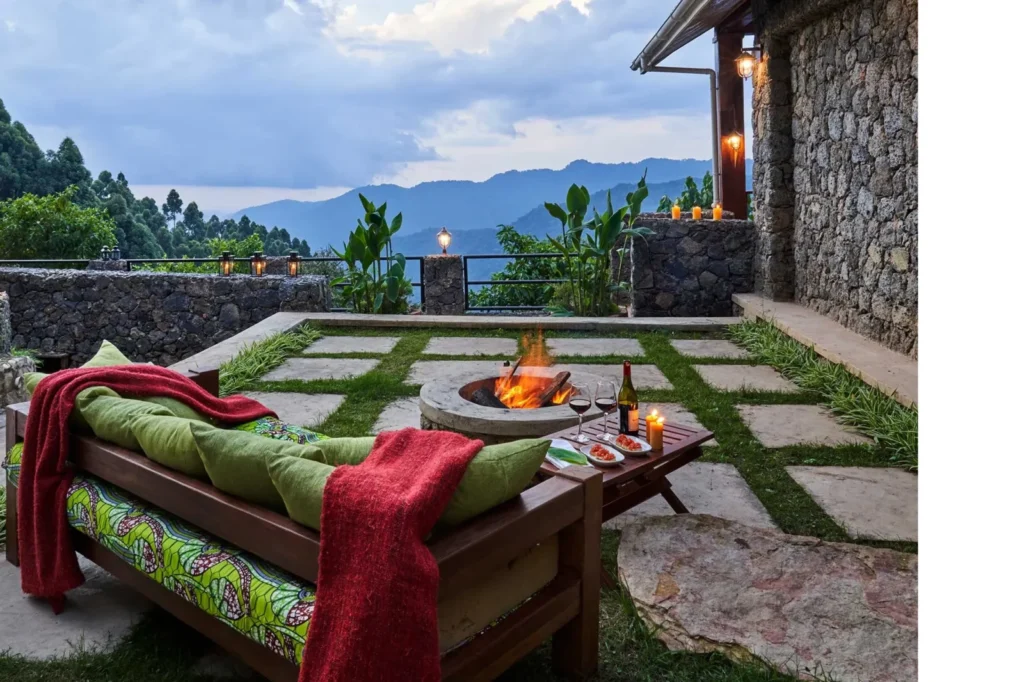
Accessibility and Road Conditions Matter
Road access varies significantly around gorilla parks, especially in Bwindi. Some lodges sit along well-maintained roads, while others require steep, rough approaches. During rainy seasons, poor access can delay travel and increase discomfort.
Ask how far the lodge sits from the main road and whether four-wheel-drive access is required. Reliable lodges manage transfers carefully and advise guests honestly about travel conditions.
Lodge Experience Beyond the Trek
Your time at the lodge extends beyond sleeping and eating. Many lodges offer guided nature walks, community visits, birdwatching, or cultural interactions. These activities add depth to your stay, especially if weather delays or schedule changes occur.
A lodge with knowledgeable staff enhances your understanding of the region, conservation efforts, and local culture, turning downtime into meaningful experience.
Food, Warmth, and Recovery After the Trek
After gorilla trekking, your body needs warmth, hydration, and nourishment. Lodges that serve timely meals, accommodate dietary needs, and provide warm communal spaces improve recovery significantly.
In high-altitude parks, evenings can feel cold. Fireplaces, heated water, and insulated rooms make a noticeable difference in comfort.
Sustainability and Community Impact
Choosing a lodge that supports conservation and local communities strengthens the positive impact of your safari. Many lodges employ local staff, support schools, and contribute to conservation programs.
Responsible lodges align closely with park authorities and follow environmental guidelines, ensuring tourism benefits both wildlife and people.
Avoid Common Lodge Selection Mistakes
One of the most common mistakes is choosing a lodge based solely on online photos without considering location and access. Another mistake is booking accommodation before securing gorilla permits, which can lead to logistical conflicts.
Successful planning always starts with permit availability, then lodge selection.
Plan Your Safari With Us
Choosing the right lodge requires local knowledge, not guesswork. We match your gorilla permits with the most suitable lodges based on trekking sector, fitness level, comfort expectations, and travel route. Our recommendations focus on reliability, access, and experience quality rather than marketing hype.
Enquire now and let us plan a gorilla safari where your lodge, permits, and logistics work together seamlessly for an unforgettable experience.