How Temperature Changes with Altitude in Gorilla Parks
Altitude shapes the climate of gorilla habitats more than latitude ever could. As you move higher into Africa’s mountain rainforests, temperatures drop, humidity rises, and weather shifts quickly. Understanding how altitude affects temperature helps you dress correctly, pace your trek, and choose the right travel season.
This guide explains how temperature changes with elevation across the main gorilla parks: Bwindi Impenetrable National Park, Mgahinga Gorilla National Park, Volcanoes National Park, and Virunga National Park.
Why Altitude Matters in Gorilla Regions
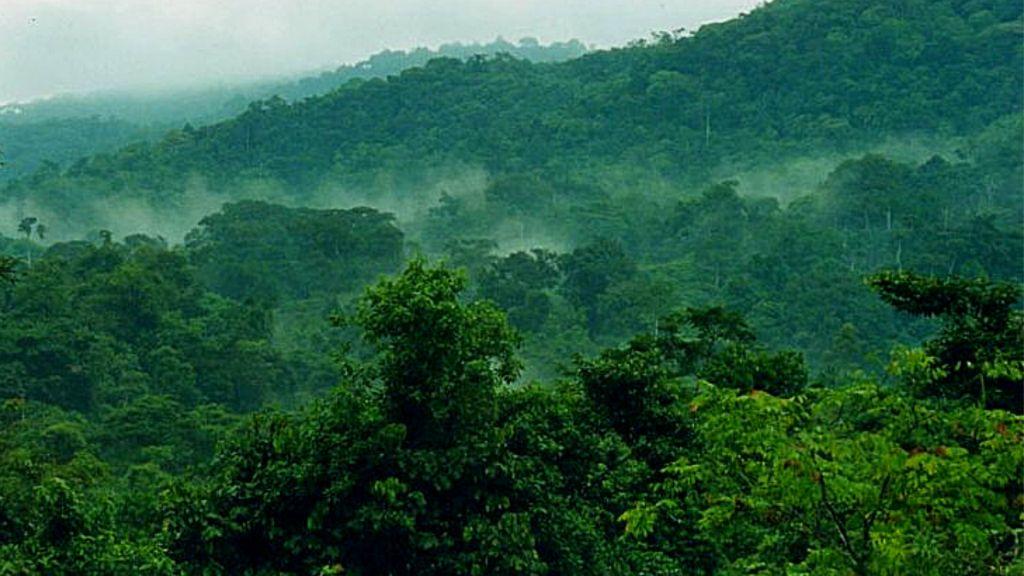
All gorilla parks sit at high elevation, generally between 2,200 and 3,000 meters above sea level. At these heights, air holds less heat and less oxygen. Temperatures stay cooler throughout the year, even though the parks lie near the equator.
As a general rule, temperature drops by about 6–7°C for every 1,000 meters gained in altitude. This explains why gorilla trekking feels cool and fresh rather than hot and tropical.
Temperature Patterns by Elevation Zone
Lower Slopes: Warmer and More Humid
Lower elevations within gorilla parks feel warmer and heavier. Daytime temperatures here range from about 18°C to 24°C. Humidity remains high due to dense vegetation and limited airflow.
During rainy months, these zones feel muggy. Gorillas often feed here when food grows abundantly, which can shorten trekking distances but increase sweating.
Mid-Elevation Forests: Cool and Balanced
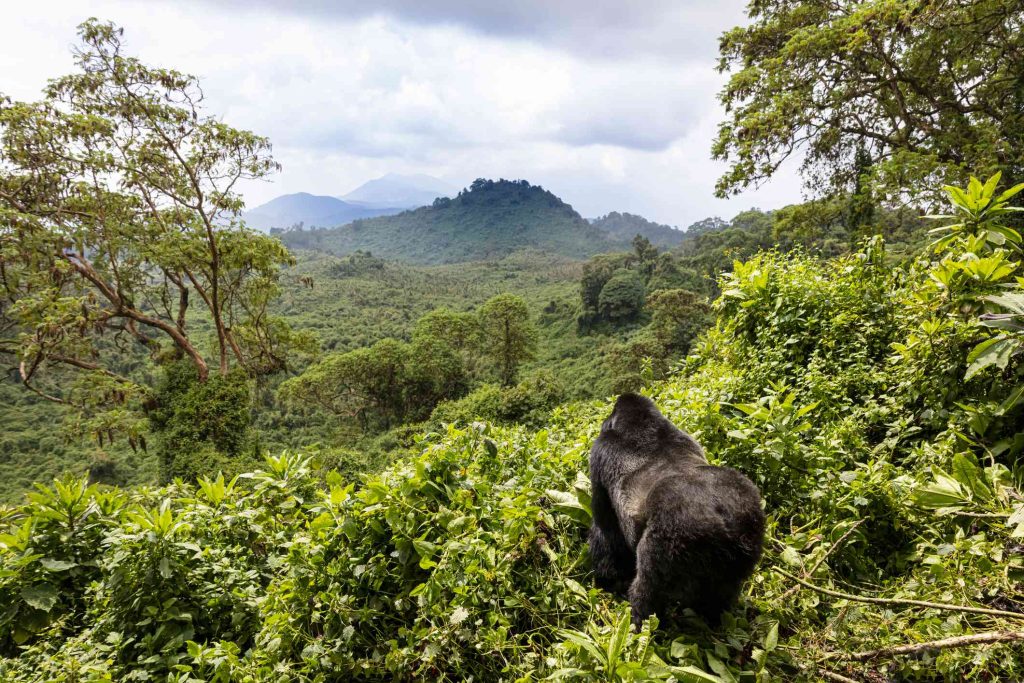
Most gorilla encounters happen in mid-elevation zones. Temperatures typically range from 14°C to 20°C during the day. Nights drop sharply, sometimes reaching 8–10°C.
These areas offer the most balanced trekking conditions. Cooler air reduces overheating during climbs, while thick forest canopy limits direct sun exposure.
High Altitudes: Cold, Misty, and Windy
Upper slopes, especially in Volcanoes, Mgahinga, and Virunga, feel noticeably colder. Daytime temperatures can remain below 15°C, with frequent mist and wind. Early mornings feel particularly cold before movement begins.
In these zones, cloud cover builds quickly, and light rain or mist can appear without warning. Proper layering becomes essential to maintain comfort and energy.
How Temperature Affects Trekking Experience
Cooler temperatures reduce heat exhaustion but increase muscle stiffness at the start of a trek. Warm-up walking helps the body adjust before steeper climbs.
Cold conditions during rest periods can feel uncomfortable if clothing stays damp. Lightweight insulating layers help regulate body temperature without overheating during movement.
Seasonal Influence on Temperature at Altitude
Dry Season
During dry months, daytime temperatures feel slightly warmer, especially on exposed slopes. Nights remain cold due to clear skies. Morning treks start chilly but warm gradually as you move.
Clearer conditions improve visibility, but temperature changes between shaded forest and open areas feel more noticeable.
Rainy Season
Rain lowers perceived temperature. Wet clothing and wind chill make conditions feel colder, even when actual temperatures remain moderate. Mist becomes common at higher elevations, reducing visibility but adding atmosphere.
Travelers often underestimate how cold rainy treks can feel at altitude without proper gear.
Altitude, Temperature, and Gorilla Behavior
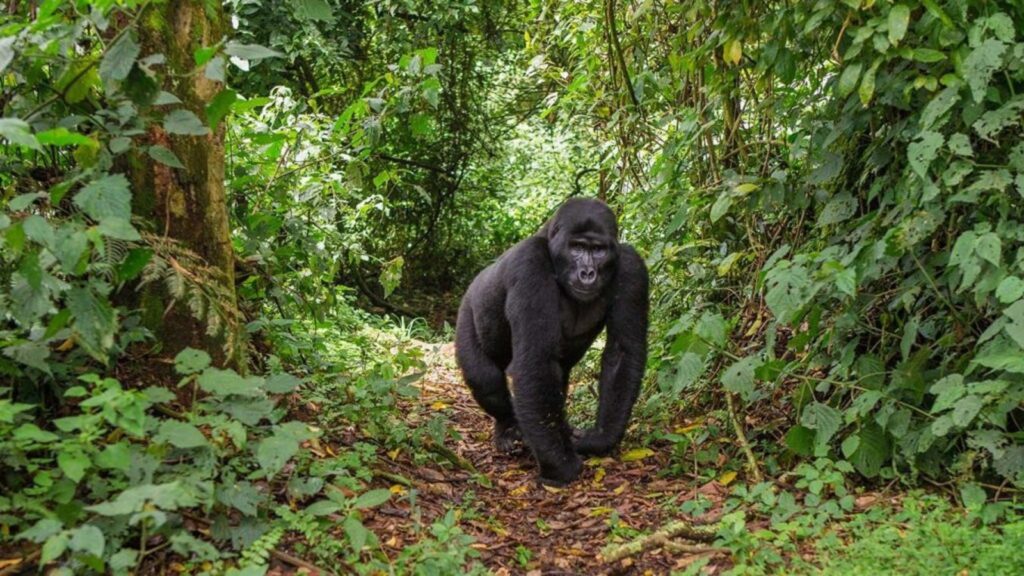
Gorillas adapt easily to altitude-related temperature changes. They adjust feeding locations rather than migrating long distances. During colder or wetter periods, they often remain on lower slopes where temperatures feel slightly warmer and food grows densely.
This behavior sometimes shortens trek distances, balancing colder conditions with easier access.
What to Wear for Changing Temperatures
Layering works best. Start with a moisture-wicking base layer, add a lightweight insulating layer, and finish with a waterproof outer shell. This system allows quick adjustment as temperatures change during the trek.
Gloves and a warm hat help during cold mornings, especially in Volcanoes and Mgahinga.
Choosing the Right Park for Temperature Sensitivity
Travelers sensitive to cold often prefer Bwindi’s mid-elevation sectors, which feel slightly warmer overall. Those who enjoy crisp mountain air often favor Volcanoes, Mgahinga, and Virunga, where altitude creates cooler, alpine-like conditions.
Understanding these differences helps you choose a park that matches your comfort level.
Plan Your Safari With Us
Altitude-driven temperature changes require smart planning and proper gear. We help you choose the right park, season, and lodge based on climate comfort and trekking ability. Our team prepares you fully for cold mornings, cool forests, and changing conditions.
Enquire now and let us plan a gorilla trekking safari where altitude, comfort, and adventure align perfectly.