How New Gorilla Groups Are Habituated in Rwanda
Gorilla habituation stands as one of the most delicate conservation processes in Rwanda. The method prepares wild mountain gorillas to accept human presence without fear, tension, or aggression. Habituation transforms unknown gorilla groups into families that trekkers, researchers, and veterinarians can approach safely. This process respects gorilla behavior, protects their wellbeing, and strengthens conservation across the Virunga ecosystem.
What Habituation Means
Habituation introduces wild gorilla families to human presence in a slow and controlled way. Trackers visit these families every day until the gorillas feel calm around people. The process does not change their natural behavior. Gorillas still feed, groom, travel, and play as they always did. The only change comes in their ability to tolerate humans at a safe, consistent distance. This confidence allows tourism and research to thrive in a protected environment.
How Rwanda Habituates New Gorilla Groups
Step 1: Identifying a Wild Gorilla Group
Rangers first locate a wild gorilla family that shows stability. The family must have a strong silverback who guides the group confidently. Rangers observe the group from far away and study the size, number of infants, feeding routine, and range. They also evaluate the terrain where the family lives. Steep, risky, or unstable areas make habituation difficult. A suitable family must move through areas that allow trackers to follow them daily without danger.
Step 2: Daily Follow-Ups at a Safe Distance
Trackers begin the slow process with daily approaches. They stay far away so they do not threaten the group. Gorillas notice the trackers but do not feel cornered. Trackers follow them throughout the day and record information. They note where the family feeds, where they nest, and how far they travel. This early phase builds familiarity. Gorillas start recognizing trackers as non-threatening beings because the trackers behave consistently each day.
Step 3: Slow and Gradual Approach
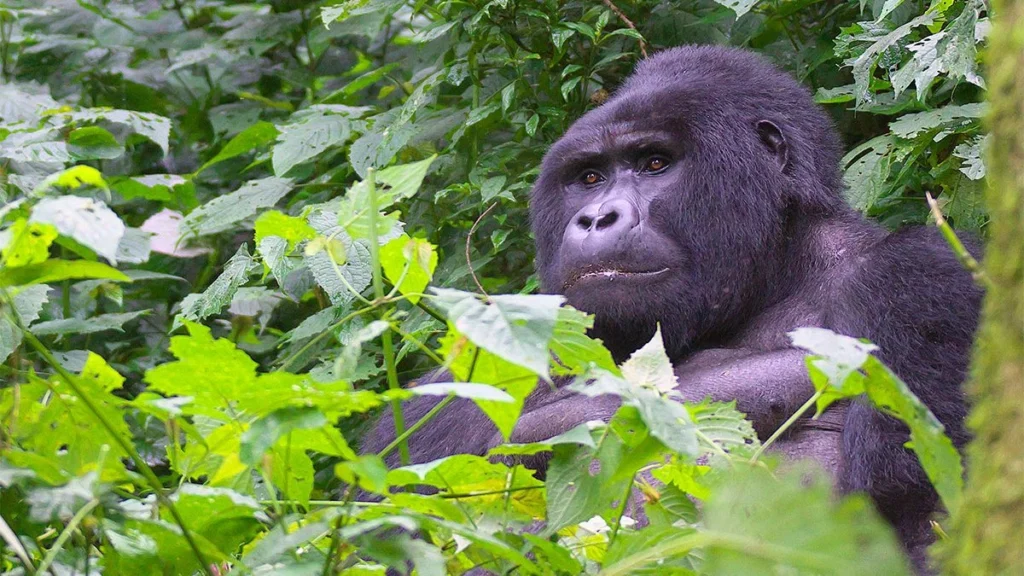
When the gorillas remain calm, trackers reduce the distance a little. They move slowly and avoid sudden gestures. The silverback observes every step and sets the mood for the group. If he stays calm, the mothers and juveniles settle. If he becomes tense, trackers immediately step back. Trackers repeat this process every day for months. Gorillas start to accept the presence of humans as part of their forest routine. This slow approach prevents stress and keeps the family relaxed.
Step 4: Introducing More Experts
Once the family trusts the regular trackers, the habituation team expands. Researchers, veterinarians, and additional trackers join. The group must learn to accept several humans at once because a trekking group includes multiple visitors. Experts take turns approaching the family. This step trains the gorillas to tolerate a realistic number of people. The process teaches the silverback to trust new faces and stay relaxed.
Step 5: Studying Social Behavior
During habituation, trackers record the group’s behavior in great detail. They study the silverback’s leadership and note how he reacts to new human presence. Observe mothers and see how they protect infants. Watch how juveniles play and how the group moves together. They record feeding habits, grooming patterns, mating behavior, and dominance signals. This information prepares researchers for long-term monitoring and helps veterinary teams understand the family’s health and social structure.
Step 6: Simulated Trekking Sessions
Trackers run mock treks to prepare the family for tourism. Approaching in small groups. They whisper the way real trekkers do. Standing at the recommended 7–10 meter distance. They take photos with silent cameras. They move slowly and follow instructions that mimic normal trekking behavior. Gorillas learn to expect these patterns. They watch humans observing them and continue feeding or resting without fear. These sessions build the final layer of trust.
Step 7: Final Assessment and Approval
When the family shows full confidence and stable behavior, experts evaluate the group again. Veterinary teams inspect the group’s health. Researchers review behavioral data. Rangers review the movement patterns. If the family stays calm, predictable, and healthy, the Rwanda Development Board gives official permission for tourism. The family becomes a habituated gorilla group open for daily trekking.
How Long Habituation Takes
Habituation takes two to three years in Rwanda. Calm families progress faster. Shy, nervous, or wide-ranging families take longer. Weather, terrain, and leadership changes also influence the timeline. Rwanda never rushes the process. The family must show complete readiness before trekkers meet them.
Why Habituation Matters for Conservation
It Ensures Safe Gorilla Tourism
Habituated families accept trekkers at a close but safe distance. This confidence reduces stress and prevents aggressive encounters. Trekkers enjoy a peaceful hour with gorillas without interfering with their natural behavior.
It Strengthens Monitoring
Once habituated, gorilla families receive daily monitoring. Trackers record births, injuries, illnesses, dominance changes, and new territories. This effort protects gorillas from threats and improves their survival chances.
It Enhances Veterinary Response
Veterinarians access habituated families easily. When snares injure a gorilla or illness spreads, teams respond quickly. This rapid action saves lives and protects entire family groups.
It Supports Community Income
Habituation expands the number of gorilla families available for trekking. More groups mean more tourism revenue. Communities receive income through Rwanda’s revenue-sharing system. Local jobs increase, and conservation gains more support.
It Helps Researchers Understand Gorilla Life
Habituated families offer valuable scientific information. Researchers study long-term social patterns, leadership shifts, infant development, and feeding behavior. This knowledge strengthens global gorilla conservation.
What Trekkers Experience with a Newly Habituated Group
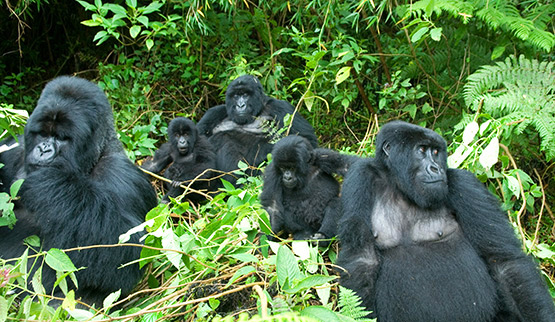
A newly habituated family reacts with curiosity. Juveniles approach playfully, always under the silverback’s watchful eye. Mothers groom infants calmly. The family interacts naturally but stays aware of human presence. Treks take longer because the group still adjusts to predictable routines. The encounter feels raw, authentic, and deeply emotional.
Plan Your Gorilla Trek
Habituation stands at the heart of Rwanda’s gorilla conservation success. When you understand how experts prepare gorilla families, your trek carries deeper meaning and purpose. You support years of dedication, science, and community effort with a single visit.
For gorilla permits, habituated group treks, and safari bookings, inquire and book with us at https://www.gorilla-permits.com