How Many Days You Need for a Gorilla Safari Trip
The number of days you need for a gorilla safari trip depends on how far you are traveling, where you plan to trek, and whether you want gorilla trekking to be a standalone experience or part of a longer safari. While the actual gorilla trek lasts only a few hours, the journey, preparation, and recovery time around it are just as important in shaping a rewarding trip.
A well-planned gorilla safari balances travel logistics, physical demands, and time to absorb the experience without feeling rushed.
The Minimum Time Required for a Gorilla Safari
The shortest practical gorilla safari is three days. This option works best for travelers with limited time who are comfortable with a fast-paced itinerary. A typical three-day trip allows one day for arrival and transfer to the gorilla trekking area, one full day for the trek itself, and one day for departure.
This timeframe is most common in destinations such as Volcanoes National Park, where the park is only a few hours from Kigali. While short, a three-day safari still delivers a complete gorilla trekking experience if logistics are carefully planned.
The Ideal Duration for Most Travelers
For most travelers, four to five days is the ideal length for a gorilla safari trip. This timeframe allows for a more relaxed pace, better acclimatization, and flexibility in case of weather or travel delays.
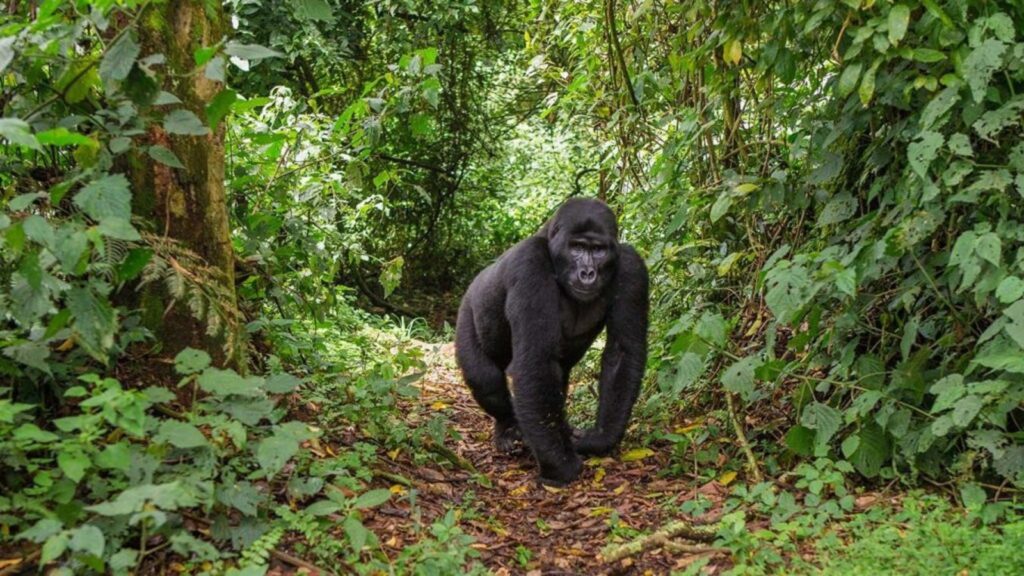
In Uganda, where gorilla trekking takes place in Bwindi Impenetrable Forest National Park or Mgahinga Gorilla National Park, longer driving distances make an extra day especially valuable. With four or five days, travelers can enjoy scenic road transfers, arrive well-rested for trekking day, and recover afterward without rushing.
This duration also allows time for light activities such as nature walks, community visits, or simply relaxing at a forest lodge after the trek.
When You Should Plan More Days
Some travelers benefit from six to seven days or more, particularly if they want to deepen their experience. This is recommended if you plan to trek gorillas more than once, include a gorilla habituation experience in Uganda, or combine gorilla trekking with other wildlife or cultural activities.
Additional days are also useful for travelers who prefer a slower pace, need more time to recover from long international flights, or want to reduce physical strain before and after trekking.
For those visiting multiple countries or combining gorilla trekking with savannah safaris, volcano hikes, or chimpanzee trekking, extending the trip creates a more balanced and immersive journey.
Factors That Influence Trip Length
Travel distance plays a major role in determining how many days you need. Rwanda’s compact size allows for shorter trips, while Uganda and eastern Congo require longer transfers to reach gorilla habitats. Fitness level also matters, as some travelers prefer extra rest days around trekking day.
Permit availability can also shape trip length. Gorilla permits are date-specific, and securing a particular trekking date may require adjusting arrival or departure days.
Weather, road conditions, and personal travel style further influence how much time feels comfortable.
One Gorilla Trek vs Multiple Treks
Most travelers plan for one gorilla trek, which is sufficient for a profound and emotional experience. However, photographers, researchers, and wildlife enthusiasts sometimes choose to trek twice on different days. In such cases, adding extra days becomes essential to allow recovery time and avoid fatigue.
In Uganda, the gorilla habituation experience, which allows extended time with a gorilla family, also requires a longer itinerary and additional planning days.
Final Perspective
While it is possible to experience gorilla trekking in as little as three days, most travelers find that four to five days offers the best balance between comfort, logistics, and enjoyment. Longer trips provide flexibility, deeper immersion, and opportunities to combine gorilla trekking with other experiences.
The right number of days ultimately depends on your destination, travel pace, and how fully you want to engage with one of Africa’s most extraordinary wildlife encounters.