How Gorilla Families Are Named and Tracked in Rwanda.
Gorilla families in Rwanda carry meaningful names and follow strict monitoring systems. These practices protect the gorillas and help researchers understand their behavior. The process also improves trekking experiences because rangers know where each family moves every day. Understanding how families receive their names and how rangers track them gives trekkers a deeper look into Rwanda’s conservation success.
Why Gorilla Family Names Matter
A family name reveals history, behavior, or leadership. Rangers, researchers, and trekkers use these names to identify each group easily. A name also carries cultural meaning and strengthens Rwanda’s conservation identity. Each family holds a story that connects it to people, places, or key events.
How Gorilla Families Receive Their Names
Named After Dominant Silverbacks
Many families receive the name of their leading silverback. Groups such as Susa, Sabyinyo, Bwenge, and Muhoza follow this naming tradition. The silverback leads the group, protects it, and guides daily movement. His name represents the family’s strength and identity.
Named After Unique Characteristics
Some families hold names that describe their formation or special traits.
• Hirwa means “lucky,” reflecting the family’s rare formation from several groups.
• Agashya means “the special one,” showing the group’s unique story.
• Amahoro means “peace,” representing calm behavior within the group.
These names highlight personality, behavior, or social history.
Named Through Kwita Izina Influence
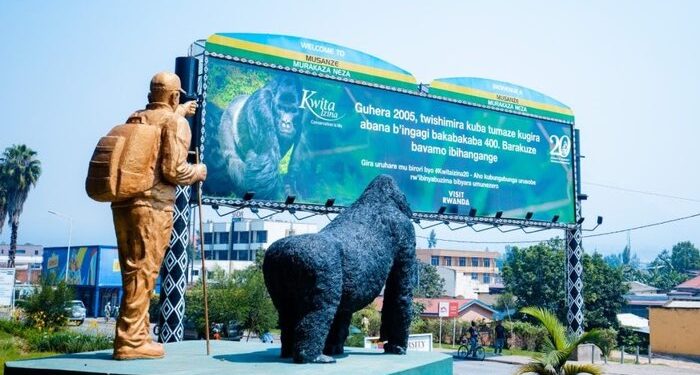
Rwanda hosts the annual Kwita Izina gorilla naming ceremony. This celebration focuses on infant gorillas rather than family groups. Yet the event builds public awareness and links new names to conservation achievements. Many infants grow into key family members and influence the family’s future identity.
Named After Research Significance
Researchers name some families based on scientific studies or wildlife behavior. Families like Titus carry names of gorillas with strong historical importance in primate research. These names preserve scientific legacy inside Volcanoes National Park.
How Gorilla Families Are Tracked in Rwanda
Daily Tracking Teams Start Before Sunrise
Trackers enter the forest early each morning. They follow fresh nests, footprints, dung, and feeding signs. They locate each family before trekkers start the day. Their early work sets the foundation for safe trekking.
Rangers Use Nest Counts and Feeding Trails
Gorillas build nests every night. Trackers count these nests and note their locations. Feeding trails show the path the family followed that morning. These clues reveal movement patterns and help rangers understand how far the family travelled.
GPS Technology Supports Daily Monitoring
Rangers use GPS devices to record gorilla positions. These digital records build long-term movement maps. Researchers study this data to learn about habitat preferences, seasonal shifts, and new territory trends. GPS data also improves safety and ensures efficient trekking routes.
Behavioral Observation Guides Tracking
Trackers watch behavior to understand leadership, group cohesion, and health. They note new infants, changes in hierarchy, and possible injuries. These details guide veterinary teams and help researchers update long-term records.
Coordination Between Tracker Teams and Guides
After locating families, trackers share the coordinates with guides at the Kinigi headquarters. Guides plan the trekking routes based on group fitness levels. This teamwork ensures trekkers reach the gorillas safely and efficiently.
Cross-Border Collaboration Strengthens Monitoring
Some families move near Uganda or the Democratic Republic of Congo. Rwanda works with conservation teams across borders to monitor these groups. Shared data protects gorillas in the entire Virunga ecosystem.
How Naming and Tracking Strengthen Conservation
Naming creates identity, pride, and awareness. Tracking protects health, behavior, and survival. Together, these systems build the backbone of Rwanda’s conservation success. Strong monitoring prevents poaching, reduces disease risks, and allows sustainable gorilla tourism. The approach shows how science, culture, and tourism work together to protect mountain gorillas.
Plan Your Gorilla Trek
When you understand how gorilla families are named and tracked, you appreciate the depth of Rwanda’s conservation story. Your trek becomes meaningful because every visit supports these ongoing efforts.
For gorilla permits, guided treks, and safari packages, inquire and book with us at https://www.gorilla-permits.com/.