How Bwindi’s Rainforest Protects Endangered Gorillas
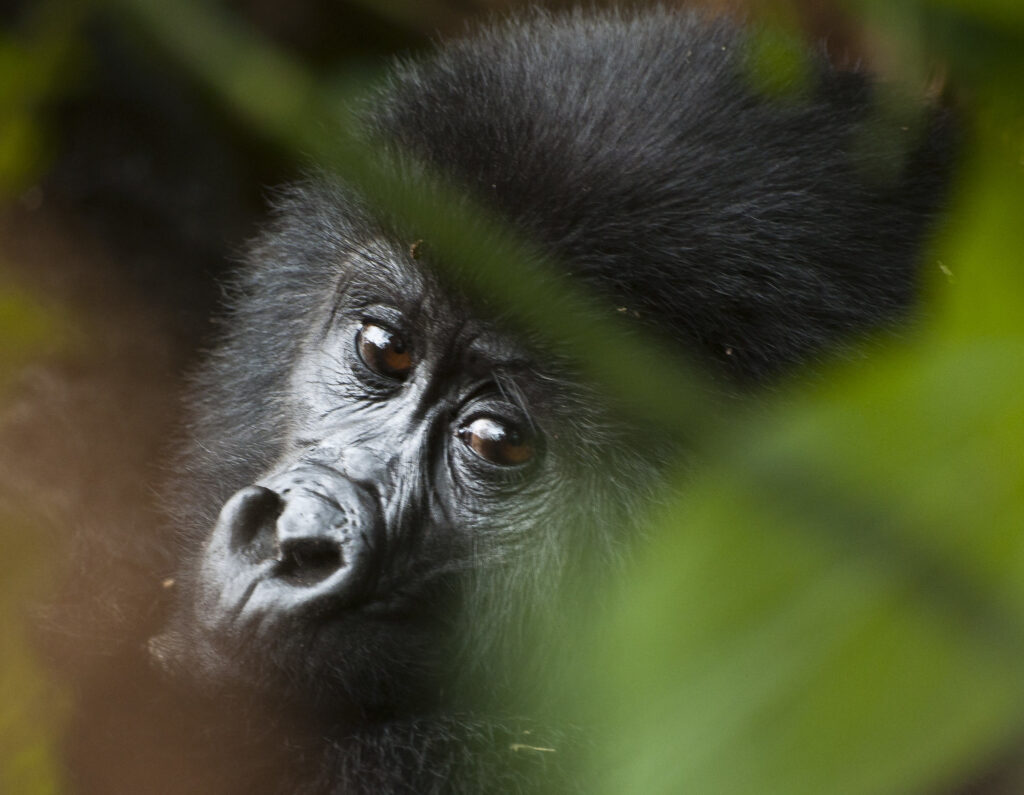
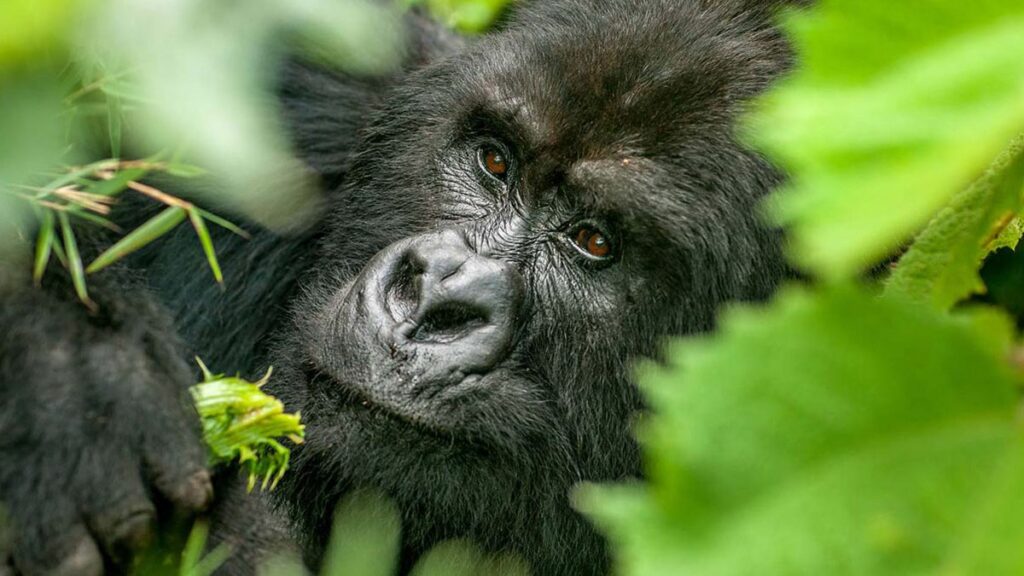
Protects endangered gorillas. Bwindi Impenetrable Forest offers one of the strongest natural shields for endangered mountain gorillas. The rainforest stands thick, ancient, and richly layered, with steep ridges and tangled vegetation that create a perfect sanctuary. Gorillas thrive here because the forest gives them food, safety, shelter, and a stable microclimate that supports their daily life.
This protected habitat ensures the long-term survival of one of the world’s rarest primates and shapes the powerful gorilla trekking experience that travelers enjoy today.
A Natural Fortress of Steep Ridges
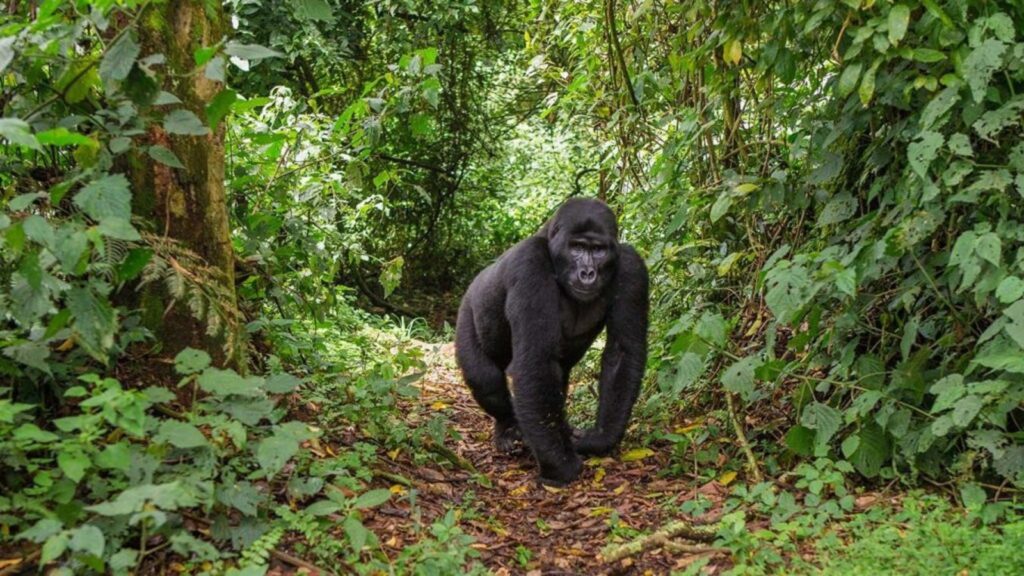
Bwindi’s rugged terrain forms a natural defense system. The forest rises sharply through dramatic slopes and deep valleys that limit human disturbance. These steep ridges create hidden pockets where gorilla families move safely, feed freely, and raise their young without pressure.
The landscape also restricts encroachment. Farming becomes difficult on steep ground, and the thick forest cover makes clearing nearly impossible. As a result, wildlife retains a safe and untouched environment.
Dense Vegetation That Feeds and Shelters Gorillas
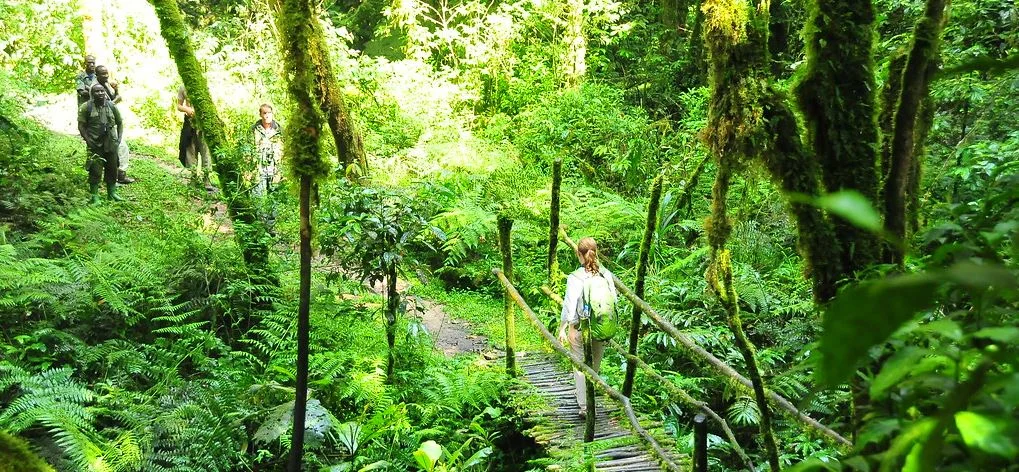
Bwindi holds more than 200 tree species and hundreds of different plants. The gorillas depend on this vegetation for leaves, vines, bamboo shoots, and wild fruits.
The forest grows so thick that it forms natural umbrellas above the gorillas. Tall trees provide shade and shelter, and the undergrowth gives privacy as the families move and feed. This vegetation also protects infants from predators and harsh weather.
A Stable Microclimate for Gorilla Survival
Bwindi’s altitude ranges between 1,160 and 2,607 meters. This elevation creates cool temperatures and high humidity that suit mountain gorillas.
The forest traps mist and holds moisture, which keeps the vegetation fresh all year. Gorillas feed comfortably because food grows constantly. The cool climate also reduces heat stress and supports steady movement throughout the day.
This microclimate remains consistent even in dry seasons, which ensures that gorillas never face food shortages.
Limited Access Creates Strong Protection
Bwindi’s rainforest stays difficult to navigate, which naturally limits human intrusion. The thickness of vegetation slows movement, and the steep slopes discourage illegal activities such as poaching or charcoal production.
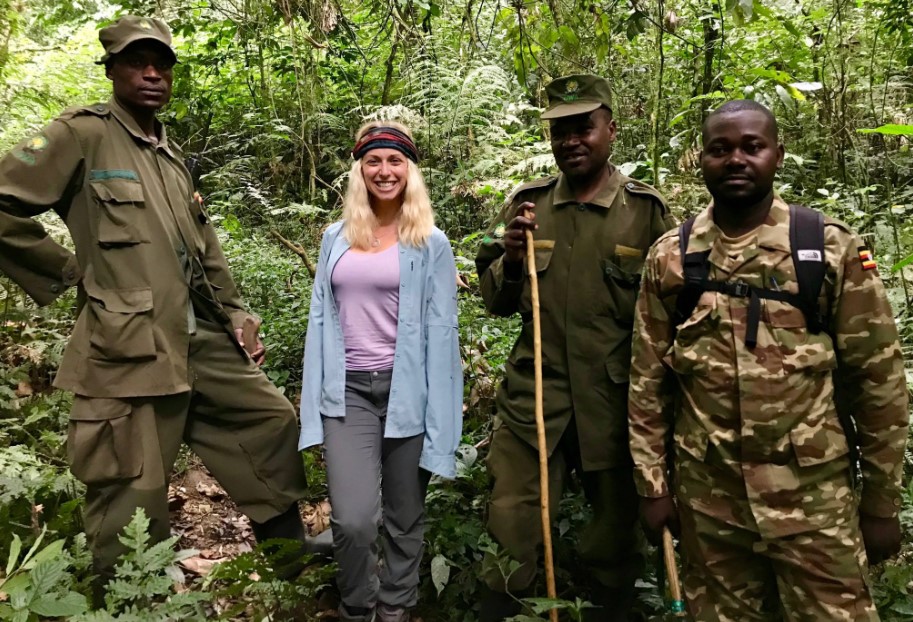
Rangers use this natural barrier to their advantage. They monitor gorilla groups daily, track movement, and secure the forest boundary. The combination of ranger presence and difficult terrain keeps gorillas protected around the clock.
Safe Breeding Grounds for Gorilla Families
The forest contains countless secluded valleys and feeding pockets where gorilla families build nests and raise infants. These quiet spaces allow mothers to care for newborns without stress.
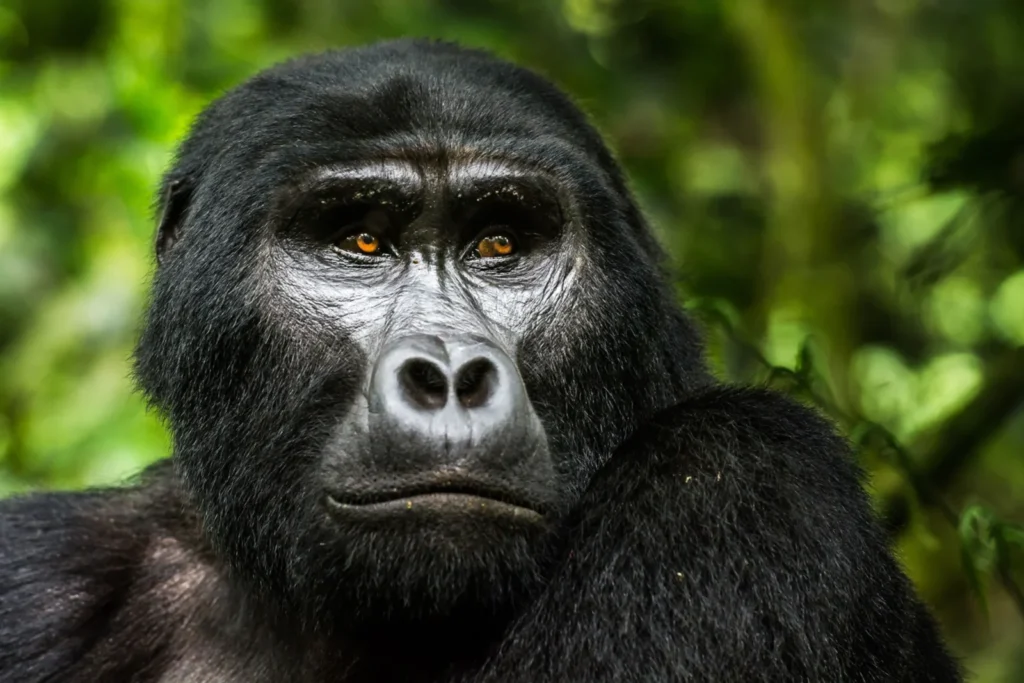
Dominant silverbacks defend their groups confidently because the terrain gives them a strategic advantage. The thick forest reduces exposure, muffles sound, and hides young gorillas from predators.
Healthy breeding leads to steady population growth, which is why Bwindi holds nearly half of the world’s remaining mountain gorillas.
How the Forest Supports Social Behaviour
Gorillas rely on the forest to maintain their social structure. The terrain offers enough space for multiple families to occupy different ranges without conflict.
Feeding patches grow evenly across the forest, so families rarely fight for resources. The vegetation also creates natural boundaries, helping each group maintain territory while avoiding aggressive encounters.
This peaceful lifestyle supports long-term stability in gorilla communities.
Forest Conservation Secures Gorilla Protection
Conservation programs keep the forest intact. Bwindi’s status as a national park limits land use, protects trees, and prevents deforestation. Community programs educate locals on sustainable living, and revenue from gorilla permits funds schools, water projects, and ranger salaries.
Tourism strengthens conservation because visitors support the very system that protects the gorillas. Each trek contributes directly to habitat protection, anti-poaching patrols, and research.
Final Thoughts
Bwindi’s rainforest stands as the most important shield for endangered mountain gorillas. Its steep landscape, thick vegetation, stable climate, and careful protection create an environment where gorillas thrive.
Every trekker who enters this forest not only witnesses its beauty but also supports its conservation. Bwindi remains a living example of how strong habitat protection ensures the survival of a species found nowhere else on earth.
Plan Your Gorilla Trek
You can support gorilla conservation by visiting Bwindi and securing your trekking permit through a trusted operator.
For smooth planning and confirmed trek dates, book with us at https://www.gorilla-permits.com.