Hippo Tour Kazinga Channel: Complete Guide to Uganda’s Best Hippo Viewing Experience
A hippo tour of Kazinga Channel is one of the most exciting wildlife experiences in Uganda and a highlight of any safari in Queen Elizabeth National Park. The Kazinga Channel is a natural waterway stretching approximately 32 kilometers (20 miles) between Lake George and Lake Edward. It is internationally recognized for supporting one of the largest concentrations of hippopotamuses in Africa, making it the best place in Uganda to observe these remarkable aquatic mammals in their natural environment.
Unlike game drives, which often involve viewing wildlife from a distance, a boat tour along the Kazinga Channel brings visitors remarkably close to hippos, allowing them to observe their behavior, social interactions, and daily activities from a unique perspective. Alongside the hippos, visitors also encounter crocodiles, elephants, buffaloes, antelopes, and hundreds of bird species, making every cruise a complete wildlife adventure.
Whether you are visiting Uganda for the first time or returning for another safari, the Kazinga Channel offers an unforgettable opportunity to witness one of Africa’s most iconic animals.
Why the Kazinga Channel Is Famous for Hippos
The Kazinga Channel provides the perfect habitat for hippopotamuses.
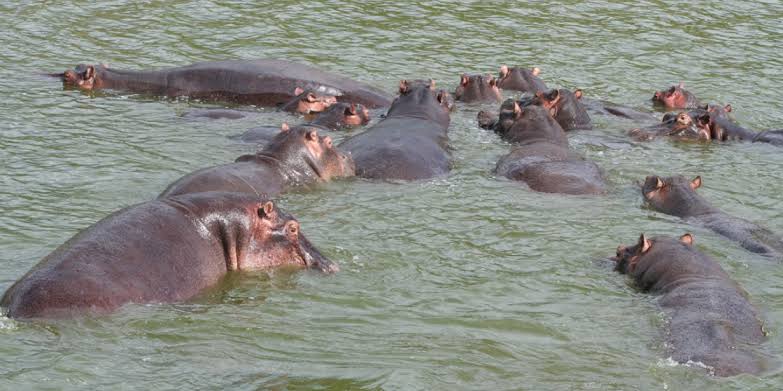
Its permanent freshwater, gently sloping banks, and abundant surrounding grasslands allow hippos to spend the day resting in the water before leaving at night to graze. The channel supports one of the highest hippo densities in East Africa, with hundreds of individuals gathering in pods along its shores.
These exceptional numbers make the hippo tour of Kazinga Channel one of the most popular safari activities in Uganda.
Understanding Hippo Behavior
Hippos are among Africa’s largest mammals and spend much of their lives in water.
Although they appear calm while resting in rivers and lakes, they are highly territorial and surprisingly agile. Adult males defend sections of the channel while females and calves remain together in family groups known as pods.
During the hottest hours of the day, hippos remain partially submerged to protect their sensitive skin from the sun. At sunset, they leave the water and travel onto nearby grasslands to feed, consuming large quantities of vegetation each night.
Watching these behaviors from a safe distance provides fascinating insights into the lives of these impressive animals.
Boat Cruise Experience
The best way to enjoy a hippo tour is by joining a guided boat cruise.
Most cruises depart from the Mweya Peninsula in Queen Elizabeth National Park and travel slowly along the Kazinga Channel. Professional guides explain hippo behavior, ecology, and the importance of the channel while helping visitors identify other wildlife encountered during the journey.
The slow pace of the boat allows excellent viewing and photography without disturbing the animals.
Other Wildlife Along the Channel
Hippos are not the only attraction.
Large Nile crocodiles frequently bask on the banks, while African elephants and buffaloes visit the shoreline to drink and cool themselves. Uganda kobs, waterbucks, warthogs, and monitor lizards are also commonly seen along the water’s edge.
The diversity of mammals ensures that every boat cruise offers continuous wildlife viewing opportunities.
Birdwatching During the Cruise
The Kazinga Channel is also a world-class birdwatching destination.
Queen Elizabeth National Park supports more than 600 bird species, many of which gather around the channel. Visitors regularly observe African Fish Eagles, Grey Crowned Cranes, Saddle-billed Storks, Great White Pelicans, Pink-backed Pelicans, African Spoonbills, Yellow-billed Storks, African Jacanas, Pied Kingfishers, Malachite Kingfishers, cormorants, herons, and numerous migratory birds.
Even travelers primarily interested in mammals often become impressed by the incredible birdlife.
Best Time for a Hippo Tour
Hippos remain in the Kazinga Channel throughout the year.
The dry seasons from June to August and December to February generally provide excellent wildlife viewing because many animals concentrate around permanent water sources. However, the channel remains productive during the rainy seasons as well, when lush vegetation creates beautiful scenery and abundant grazing opportunities.
Both morning and afternoon departures provide excellent opportunities to observe hippos.
Photography Tips
A hippo tour offers outstanding opportunities for wildlife photography.
A telephoto lens allows close-up portraits, while wider lenses capture pods of hippos against the dramatic backdrop of the channel. Morning and late afternoon light creates softer colors and more attractive photographs than the harsh midday sun.
Keeping your camera ready is important because elephants, crocodiles, and birds often appear unexpectedly along the shoreline.
Combining the Hippo Tour with Other Safari Activities
Many visitors combine the boat cruise with additional wildlife experiences.
Morning game drives across the Kasenyi Plains frequently produce sightings of lions, elephants, buffaloes, Uganda kobs, and leopards. Chimpanzee tracking in Kyambura Gorge, birdwatching excursions, crater lake visits, and tree-climbing lion searches in the Ishasha sector also complement the cruise.
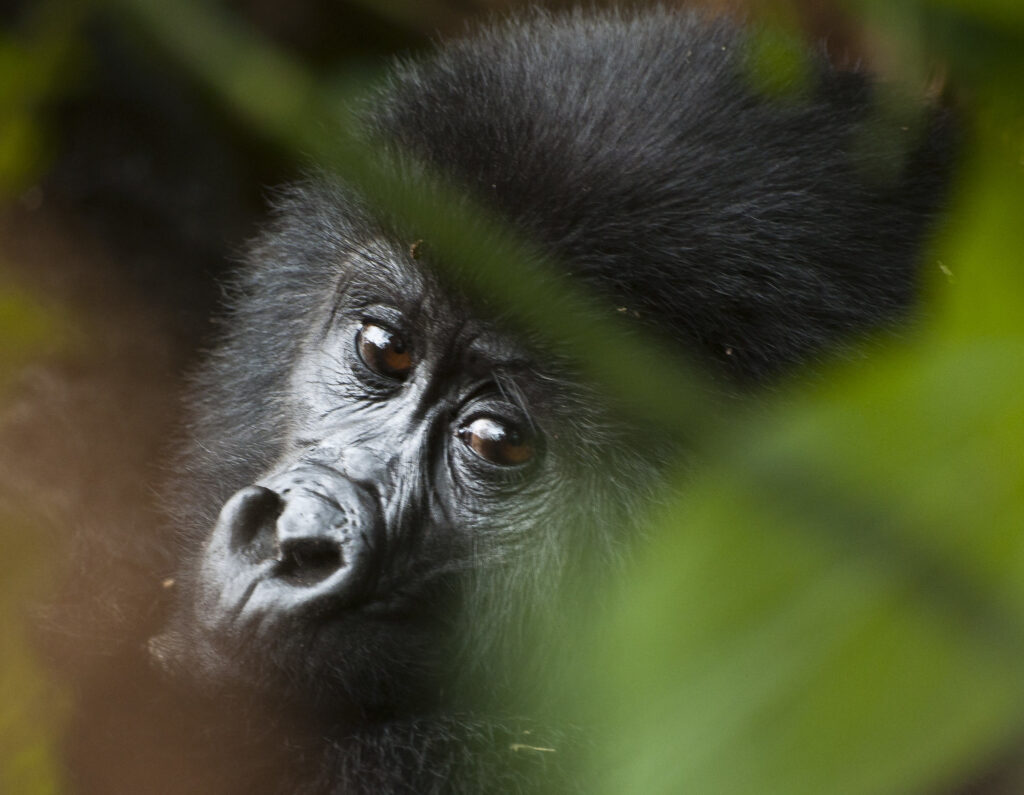
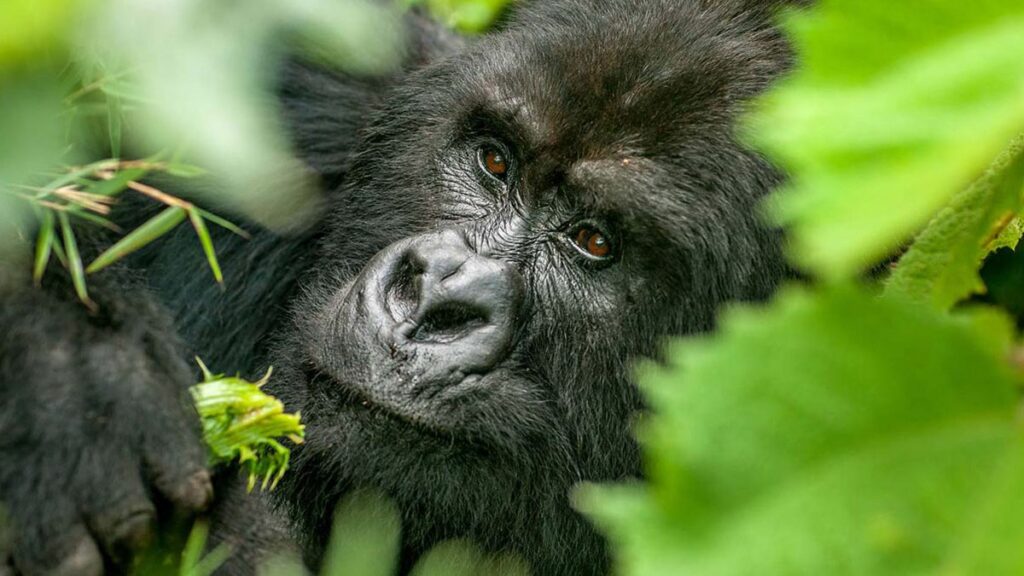
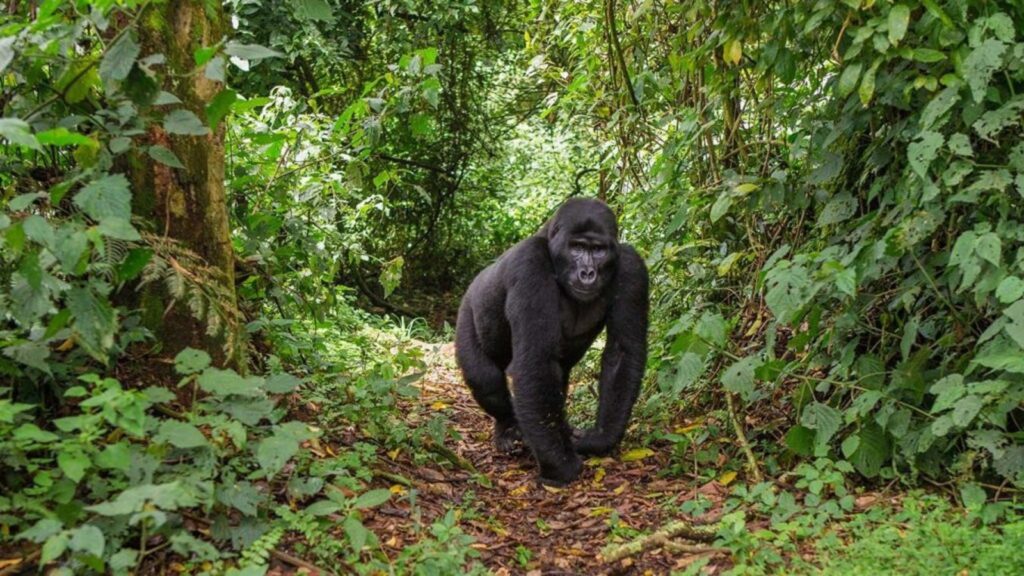
Many travelers continue to Bwindi Impenetrable National Park to complete their safari with mountain gorilla trekking.
Conservation Importance
The Kazinga Channel is a vital ecological resource.
Its freshwater supports thousands of animals throughout the year while sustaining one of Uganda’s richest wetland ecosystems. Tourism generated by boat cruises contributes directly to conservation through anti-poaching efforts, habitat protection, scientific research, ranger training, and community development projects coordinated by the Uganda Wildlife Authority.
Responsible tourism helps ensure the long-term survival of both hippos and their habitat.
Travel Tips
Wear lightweight clothing in neutral colors and carry binoculars, sunscreen, insect repellent, drinking water, and a camera with a telephoto lens. Protect electronic equipment from occasional water spray and listen carefully to your guide’s explanations to gain a deeper understanding of the wildlife and ecosystems.
Booking your cruise in advance is recommended during peak safari seasons.
Conclusion
A hippo tour of Kazinga Channel offers one of Uganda’s finest wildlife experiences and one of the best opportunities anywhere in Africa to observe hippopotamuses in their natural habitat. Combined with close encounters with elephants, crocodiles, buffaloes, antelopes, and hundreds of bird species, the cruise delivers an unforgettable safari adventure.
Whether included as part of a Queen Elizabeth National Park itinerary or combined with gorilla trekking in Bwindi, the Kazinga Channel boat cruise remains one of Uganda’s must-do wildlife activities.