Greetings and Customs in Rural Uganda and Rwanda
Greetings and everyday customs form the foundation of social life in rural Uganda and Rwanda. For travelers visiting gorilla regions, understanding how people greet one another, show respect, and interact in daily settings makes a meaningful difference. These customs are not formal rituals reserved for special occasions; they are lived expressions of respect, humility, and community values. Approaching these interactions with patience and awareness helps travelers feel welcomed while showing genuine respect to the people who host them.
Why Greetings Matter So Much in Rural Communities
In rural Uganda and Rwanda, greetings are not optional or rushed. They signal recognition and goodwill before any conversation begins. Failing to greet someone properly can feel dismissive, even if no offense is intended.
Around communities near Bwindi Impenetrable National Park and Volcanoes National Park, daily life moves at a pace where acknowledging others matters more than efficiency. A simple greeting creates trust and opens the door to friendly exchange.
How Greetings Are Commonly Exchanged
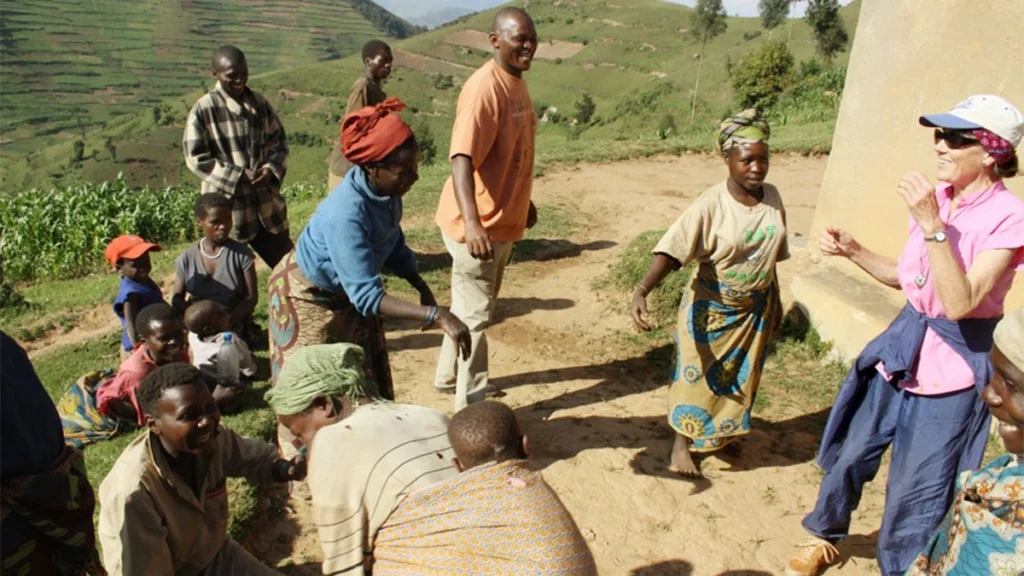
Greetings often begin with a verbal acknowledgment, accompanied by eye contact and a calm demeanor. In Uganda, handshakes are common, especially among men, and are usually gentle rather than firm. In Rwanda, greetings may involve a handshake or a respectful nod, depending on familiarity.
It is customary to greet elders first when entering a space. This reflects respect for age and experience, values deeply held in both societies. Taking a moment to greet people individually rather than addressing a group collectively is also appreciated in rural settings.
Language and Simple Local Greetings
English is widely spoken in tourism areas, but local greetings are warmly received. In Uganda, simple greetings in local languages show effort and respect, even if pronunciation is imperfect. In Rwanda, greeting someone in Kinyarwanda immediately signals cultural awareness and openness.
Using local greetings is not about fluency. It is about showing willingness to meet people on their terms rather than expecting them to adapt to you.
Customs Around Conversation and Politeness
Conversations in rural communities often begin with polite inquiries about wellbeing before moving to practical matters. Asking how someone is doing, how their family is, or how the day is going shows interest beyond transactional interaction.
Directness without context can feel abrupt. Taking a moment to exchange pleasantries aligns better with local communication styles and helps interactions feel natural rather than rushed.
Body Language and Respectful Behavior
Body language carries meaning. Calm movements, relaxed posture, and moderate tone convey respect. Loud voices, exaggerated gestures, or impatient behavior can feel uncomfortable in quiet rural environments.
Pointing directly at people, especially elders, is generally avoided. Sitting or standing attentively when speaking to someone older reflects respect and awareness of social norms.
Visiting Homes and Community Spaces
When entering a village or home, waiting to be invited inside shows courtesy. Removing shoes may be expected in some homes, especially in more traditional settings. Accepting offered seating or refreshments, even briefly, signals appreciation for hospitality.
Declining politely is acceptable if needed, but doing so with gratitude matters more than the answer itself.
Customs Around Time and Pace
Rural life follows natural rhythms shaped by farming, weather, and community needs. Time is flexible, and interactions are rarely rushed. What may feel slow to a visitor reflects balance rather than inefficiency.
Adapting to this pace reduces frustration and allows travelers to experience daily life more authentically.
Respecting Elders and Community Leaders
Elders hold a respected position in both Ugandan and Rwandan rural communities. Speaking respectfully, listening attentively, and allowing elders to lead conversations aligns with local values.
If a guide introduces you to a community leader, following their cues on greeting and behavior helps maintain harmony and respect.
Children and Interaction Etiquette
Children in rural areas are often curious and friendly. Smiling and greeting them warmly is appropriate, but physical contact or giving gifts should be approached carefully. Giving money or sweets directly to children is discouraged, as it can create dependency or misunderstandings.
Engaging through conversation or shared activities guided by adults keeps interactions positive and respectful.
Learning Through Observation
One of the best ways to understand greetings and customs is to observe local interactions. Watching how people greet one another, how conversations begin, and how respect is shown provides valuable insight.
Travelers who take time to observe before acting tend to adapt more smoothly and feel more welcomed.
Common Misunderstandings to Avoid
Some travelers assume silence or reserve signals unfriendliness. In reality, it often reflects politeness or shyness. Others mistake flexible timekeeping for lack of organization. Understanding cultural context prevents these misunderstandings.
Patience and curiosity transform potential discomfort into learning moments.
Plan Your Safari With Us
Cultural understanding enhances every journey. We prepare travelers not only for gorilla trekking but also for respectful interaction with rural communities. Our guides provide cultural context and gentle guidance, ensuring your encounters feel natural, respectful, and enriching.
Enquire now and let us plan a gorilla safari where cultural understanding and meaningful connection are part of the experience.