Gorilla Trekking Virtual Reality: How VR Technology Is Transforming Gorilla Conservation and Tourism
Technology continues to reshape how people experience travel, wildlife, and conservation. Among the most exciting innovations is virtual reality (VR), which allows users to explore destinations and interact with digital environments through immersive experiences. In recent years, gorilla trekking virtual reality has emerged as an innovative way to educate people about mountain gorillas, promote conservation, and inspire future travelers before they visit Uganda, Rwanda, or the Democratic Republic of the Congo.
Virtual reality cannot replace the unforgettable experience of standing a few meters from a wild mountain gorilla during an actual trek. However, it offers a powerful educational tool that introduces people to gorilla habitats, conservation efforts, and responsible tourism practices regardless of where they live. As VR technology becomes more accessible, conservation organizations, tourism boards, museums, and educational institutions continue exploring new ways to use immersive experiences to protect one of the world’s most endangered great apes.
Understanding how virtual reality supports conservation demonstrates how technology can strengthen both education and sustainable tourism.
What Is Virtual Reality?
Virtual reality is a digital technology that creates an immersive three-dimensional environment using specialized headsets or compatible devices. Users can look around, interact with virtual surroundings, and experience locations that may be thousands of kilometers away.
Unlike traditional videos, VR creates the feeling of being physically present within an environment. This sense of immersion makes gorilla trekking virtual reality particularly effective for introducing users to tropical forests, mountain landscapes, and wildlife habitats.
Although the experience remains digital, it provides a much deeper understanding than ordinary photographs or standard videos.
Bringing Gorilla Habitats to Life
Many people dream of visiting mountain gorillas but may never have the opportunity because of travel costs, health limitations, or time constraints.
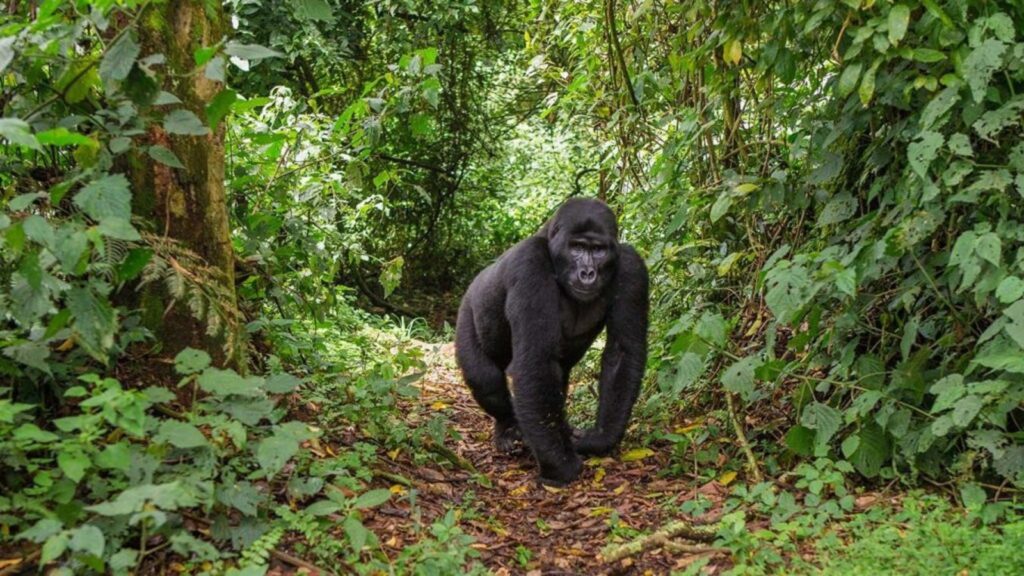
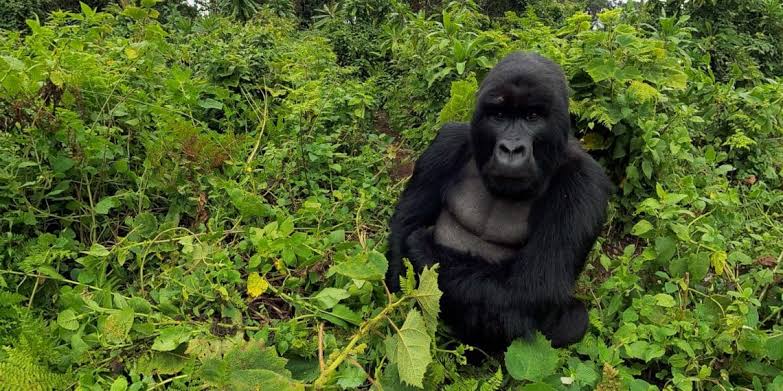
Virtual reality allows users to experience realistic forest environments that closely resemble the dense vegetation of Bwindi Impenetrable National Park, Mgahinga Gorilla National Park, and Volcanoes National Park. Through immersive storytelling, viewers can appreciate the beauty of these ecosystems while learning about their ecological importance.
This accessibility makes gorilla trekking virtual reality an excellent educational resource for audiences around the world.
Technology expands conservation awareness.
Preparing Visitors Before Their Safari
Many first-time travelers feel uncertain about what to expect during gorilla trekking.
Virtual reality can introduce visitors to trekking procedures, ranger briefings, forest conditions, hiking challenges, safety guidelines, and gorilla viewing etiquette before they arrive. Familiarity with these aspects helps travelers feel more confident and better prepared for their adventure.
Using gorilla trekking virtual reality as a pre-trip educational tool also encourages responsible behavior by explaining the importance of maintaining viewing distances, following ranger instructions, and respecting wildlife.
Preparation improves the visitor experience.
Supporting Conservation Education
Education remains one of the strongest foundations of wildlife conservation.
Virtual reality provides an engaging way to explain mountain gorilla biology, family structures, habitat conservation, anti-poaching efforts, veterinary care, and community involvement. Interactive experiences often capture attention more effectively than traditional classroom materials because users actively participate in the learning process.
Schools, museums, conservation centers, and visitor information facilities increasingly recognize the educational value of gorilla trekking virtual reality.
Immersive learning strengthens conservation awareness.
Encouraging Responsible Tourism
Responsible tourism protects both wildlife and local communities.
Virtual reality experiences can teach visitors about conservation rules before they enter protected areas. Users can learn why gorilla trekking permits are limited, why visitors maintain safe distances from gorillas, and why responsible behavior supports long-term conservation.
By promoting ethical travel practices, gorilla trekking virtual reality helps visitors understand that their actions contribute directly to protecting endangered mountain gorillas.
Education encourages responsible choices.
Expanding Global Access to Gorilla Conservation
Millions of people around the world may never visit East Africa, yet they still want to learn about mountain gorillas.
Virtual reality removes geographic barriers by allowing anyone with compatible technology to experience gorilla habitats from their home, school, or workplace. This expanded access increases public awareness while inspiring greater interest in wildlife conservation.
As more organizations develop gorilla trekking virtual reality experiences, conservation messages reach increasingly diverse global audiences.
Awareness creates new conservation supporters.
Virtual Reality in Schools and Universities
Educational institutions continue adopting immersive technologies to improve student learning.
Teachers can use virtual reality to introduce geography, biology, ecology, environmental science, and conservation topics through realistic forest environments. Students gain a deeper appreciation of biodiversity while exploring ecosystems that would otherwise remain inaccessible.
The educational value of gorilla trekking virtual reality extends beyond tourism by helping future generations understand the importance of protecting endangered species.
Interactive learning inspires curiosity.
Supporting Conservation Fundraising
Conservation organizations increasingly use immersive storytelling to connect supporters with wildlife.
Virtual reality experiences can demonstrate the daily work of rangers, veterinarians, researchers, and local communities involved in mountain gorilla conservation. Seeing these efforts firsthand often creates stronger emotional connections than written reports or photographs alone.
By strengthening public engagement, gorilla trekking virtual reality may encourage donations that support research, habitat protection, veterinary care, and community development projects.
Technology enhances conservation communication.
Complementing Rather Than Replacing Real Gorilla Trekking
Virtual reality offers remarkable educational opportunities, but it cannot replicate the emotions of encountering wild mountain gorillas in their natural habitat.
The sounds of the forest, changing weather, physical hike, fresh mountain air, and close observation of gorilla families create an experience that remains unique to real gorilla trekking. Virtual reality serves as an introduction, educational resource, or memory enhancement rather than a substitute for visiting protected areas responsibly.
Responsible tourism continues to provide essential funding for conservation.
Real-world experiences remain irreplaceable.
Future Developments in Gorilla Virtual Reality
Virtual reality technology continues advancing rapidly.
Future experiences may include higher-resolution environments, interactive educational guides, multilingual narration, real-time conservation updates, artificial intelligence integration, and enhanced sensory features. These innovations could further improve public understanding while supporting conservation organizations worldwide.
As technology evolves, gorilla trekking virtual reality will likely become an even more valuable tool for conservation education and sustainable tourism promotion.
Innovation continues to strengthen wildlife awareness.
Conclusion
Gorilla trekking virtual reality represents an exciting partnership between technology, conservation, and education. By bringing mountain gorilla habitats into homes, classrooms, museums, and visitor centers, virtual reality helps people understand the importance of protecting one of the world’s most endangered great apes. It prepares future travelers, educates global audiences, supports fundraising, and promotes responsible tourism while expanding access to conservation knowledge.
Although virtual reality cannot replace the life-changing experience of seeing mountain gorillas in the wild, it complements traditional conservation efforts by inspiring greater appreciation for these extraordinary animals. As immersive technology continues to develop, it will play an increasingly important role in supporting mountain gorilla conservation across East Africa.