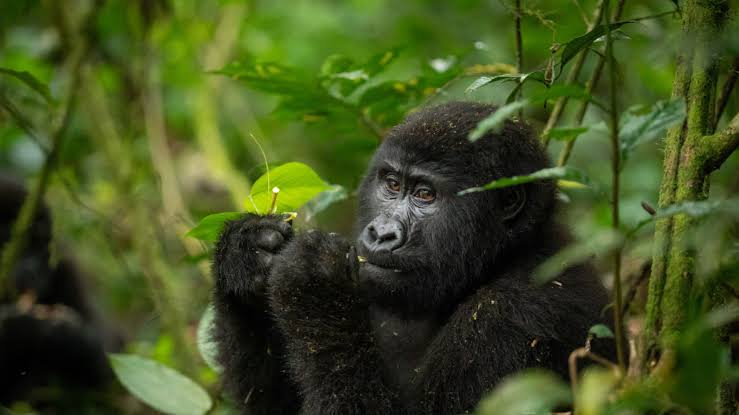
Gorilla Trekking Tips and Gratuities Budget: Complete Guide for Travelers
Planning a gorilla trekking trip, tips, gratuities, and budget are important parts of preparing for a gorilla safari in Uganda or Rwanda. The gorilla permit, accommodation, transportation, and meals usually receive most of the attention when travelers calculate their safari costs. However, gratuities can also form an important part of the overall travel budget.
Gorilla trekking involves many people who contribute to the experience. Guides lead visitors through the forest, trackers help locate gorilla families, porters assist trekkers with bags and difficult terrain, drivers handle transportation, and lodge staff provide accommodation services.
Tipping is generally a personal decision rather than a mandatory charge. However, travelers often use gratuities to recognize good service and contribute directly to the people who support tourism in the gorilla regions.
Understanding who to tip, when to tip, and how much money to set aside can help travelers prepare without feeling uncertain during the safari.
What Is a Gorilla Trekking Gratuities Budget?
A gorilla trekking gratuities budget is the amount of money a traveler sets aside for tips and gratuities during a gorilla safari.
It can cover several service providers, including gorilla trekking guides, trackers, porters, drivers, lodge employees, and other staff.
The amount depends on the length of the safari, group size, quality of service, and travel style.
A luxury private safari may involve more service providers than a basic trekking trip.
Travelers should therefore treat gratuities as a flexible part of their budget rather than a fixed safari fee.
Is Tipping Mandatory During Gorilla Trekking?
Tipping is generally not a mandatory government fee for gorilla trekking.
The gorilla permit covers the official trekking experience and associated park services according to the applicable regulations.
Gratuities are separate from the permit.
Travelers should not feel that they must provide a particular amount regardless of the service received.
However, tipping is customary in many safari environments and can be an appreciated way of recognizing helpful service.
Who Should You Tip During Gorilla Trekking?
Several people may contribute to your gorilla safari.
The main people travelers may consider tipping include the lead guide, assistant guides, trackers, porters, driver guides, and lodge staff.
Not every traveler needs to tip every person individually.
The appropriate approach depends on the service structure of your safari.
Your tour operator can explain local practices before the trek.
Gorilla Trekking Guide Tips
The lead guide plays a central role in the trekking experience.
Guides brief visitors before entering the forest, lead the trekking group, explain gorilla behavior, communicate safety instructions, and help coordinate the experience.
Travelers who are satisfied with their guide’s service may provide a gratuity at the end of the trek.
The amount should reflect the quality of service and the traveler’s personal budget.
Assistant Guide Tips
Large trekking groups may include assistant guides.
These guides can help maintain group coordination and provide additional information during the trek.
If an assistant guide contributes significantly to your experience, you may include them in your gratuity budget.
Your guide or tour operator can explain whether gratuities are normally given individually or shared among the guiding team.
Gorilla Tracker Tips
Trackers play an important role in locating and monitoring gorilla families.
They often move ahead of the trekking group and communicate information about the gorillas’ location and movements.
Their conservation and field experience can contribute significantly to a successful encounter.
Travelers may therefore choose to include trackers when planning gratuities.
Porter Fees and Tips
Porter services deserve special consideration.
A porter can carry a backpack, provide physical support, and help travelers navigate difficult sections of the trail.
The porter fee itself is separate from a tip.
Travelers should first pay the agreed porter fee and can then provide an additional gratuity if they are satisfied with the service.
Hiring a porter can also provide direct economic benefits to communities around gorilla trekking areas.
How Much Should You Budget for a Porter?
Porter charges can vary by destination and may change over time.
Travelers should confirm the current fee with their safari operator or trekking office.
Because porter services are separate from gratuities, include both the porter fee and any optional tip in your overall budget.
This distinction prevents travelers from accidentally treating the tip as payment for the service itself.
Driver-Guide Gratuities
The driver-guide can play an important role throughout a multi-day safari.
They may handle long road journeys, airport transfers, navigation, vehicle logistics, and transportation between parks.
If the same driver remains with you for several days, you may consider providing a gratuity at the end of the safari.
The amount should reflect the duration and quality of service.
Lodge Staff Tips
Accommodation staff may also contribute to your experience.
Housekeeping employees, restaurant staff, luggage handlers, and other lodge employees may provide daily assistance.
Some lodges have a shared staff tip box, while others allow guests to tip individual employees.
Ask the lodge about its preferred tipping system.
How Much Should You Budget for Lodge Staff?
There is no universal amount.
Travelers can set aside a daily amount for general lodge gratuities and adjust it according to the length of their stay and quality of service.
Luxury lodges with extensive service may justify a larger gratuity budget than basic accommodation.
Tipping During a Uganda Gorilla Safari
Uganda’s gorilla trekking destinations include Bwindi Impenetrable National Park and Mgahinga Gorilla National Park.
Travelers visiting these areas may encounter guides, trackers, porters, drivers, lodge employees, and community tourism providers.
Ugandan Shillings are convenient for local gratuities.
Some international safari operators may also provide tipping guidance in US dollars.
Travelers should confirm the preferred currency before the trek.
Tipping During a Rwanda Gorilla Safari
Rwanda’s gorilla trekking takes place in Volcanoes National Park.
Travelers may interact with guides, trackers, porters, drivers, lodge employees, and other service providers.
Rwandan Francs are useful for local tips.
However, some travelers may carry US dollars for international tourism expenses.
Using local currency for smaller gratuities can be convenient.
Should You Tip in US Dollars?
US dollars may be accepted for some tourism-related gratuities, particularly in international safari operations.
However, local currency can be more convenient for local service providers.
In Uganda, travelers can use Ugandan shillings.
In Rwanda, travelers can use Rwandan Francs.
If you plan to tip in foreign currency, make sure the notes are clean and usable.
When Should You Tip?
The timing depends on the service.
A porter can be paid after the trek.
A guide and tracker team can receive gratuities at the end of the trekking experience.
A driver-guide can receive a tip at the end of the safari.
Lodge staff can be tipped during or at the end of the stay, depending on the property’s tipping system.
Should You Tip Before or After the Trek?
In most situations, it is better to tip after receiving the service.
This allows travelers to assess the quality of assistance and decide what amount feels appropriate.
Pay any agreed service fee before or during the activity as required.
Keep the gratuity separate from mandatory payments.
How Much Money Should You Set Aside for Tips?
There is no universal percentage or mandatory gratuity for a gorilla safari.
A practical approach is to create a separate gratuity envelope before departure.
The total amount depends on:
the number of trekking days
the number of people providing services
safari duration
travel style
group size
quality of service
personal budget
Travelers should also budget separately for porter fees.
Example Gorilla Trekking Gratuities Budget
For a traveler taking a multi-day private gorilla safari, the gratuity budget could include separate amounts for the trekking guide, tracker team, porter, driver-guide, and lodge staff.
Rather than relying on one fixed total, travelers should ask their operator for current local recommendations and then adjust the amounts according to the service received.
This approach is more reliable because tipping practices can change.
Group Travelers and Tipping
Group safaris require additional planning.
A group may have one guide, several trackers, multiple porters, a driver, and lodge staff.
Instead of every traveler tipping randomly, the group can agree on a simple system.
A group leader can collect contributions and distribute them according to the operator’s guidance.
This approach can make tipping easier and more consistent.
Private Gorilla Safaris and Tipping
Private safaris may involve dedicated guides and drivers.
Because these staff members may provide personalized service throughout the trip, travelers may choose to allocate a larger gratuity budget.
The amount should still reflect actual service rather than simply the price of the safari.
Luxury Gorilla Safaris and Gratuities
Luxury travelers may interact with more service staff.
A luxury lodge can involve housekeeping, dining, concierge, luggage, and other services.
Travelers should check whether the lodge already applies a service charge or maintains a communal gratuity system.
If a service charge is already included, additional tipping remains a personal choice.
Tipping and Service Charges
A service charge is different from a gratuity.
A service charge may automatically appear on a restaurant or lodge bill.
A gratuity is generally an additional voluntary payment.
Travelers should check their invoices to avoid accidentally paying twice for the same service.
Carrying Cash for Tips
Travelers should prepare gratuity money before trekking.
Carrying appropriate local currency in smaller denominations makes tipping easier.
Do not wait until the end of the safari to find an ATM if you are traveling in a remote area.
For Uganda, obtain suitable Ugandan Shilling denominations.
For Rwanda, obtain Rwandan franc denominations.
Keeping Tip Money Separate
It can be useful to keep gratuity money separate from your general spending cash.
Prepare envelopes for different services if that makes budgeting easier.
For example, you might keep separate amounts for the guide, porter, driver, and lodge staff.
This prevents you from accidentally spending money intended for gratuities.
Tipping and Local Communities
Gorilla tourism provides employment and income opportunities in communities surrounding the parks.
Porter services, guiding, accommodation, transportation, and community activities can all contribute to local livelihoods.
Responsible tipping can therefore form part of a broader responsible tourism approach.
However, travelers should also support communities through legitimate businesses and community tourism programs rather than relying exclusively on tips.
Tipping Children and Unofficial Sellers
Travelers should exercise discretion when approached for money by children or unofficial individuals.
Instead of distributing money indiscriminately, travelers can support legitimate community organizations, local businesses, schools, or conservation initiatives.
This approach can create more sustainable benefits for local communities.
Currency for Gorilla Trekking Tips
Currency planning should be part of your overall safari budget.
Uganda uses the Ugandan shilling.
Rwanda uses the Rwandan franc.
US dollars may be useful for some international tourism payments, but local currency is often more convenient for everyday gratuities.
Carry clean, smaller-denomination notes where possible.
Tips and Gratuities Budget vs Gorilla Safari Cost
The gratuities budget should be treated as a separate category from the main safari price.
Your main safari cost may include the gorilla permit, accommodation, transportation, meals, park fees, and other agreed services.
Gratuities are generally additional.
Separating them makes it easier to understand the true amount you should prepare for the trip.
How to Avoid Over-Tipping
Travelers sometimes feel pressured to tip large amounts because gorilla trekking is an expensive experience.
The cost of the safari itself does not automatically determine the appropriate gratuity.
Instead, consider the quality of service, duration of assistance, level of responsibility, and your personal budget.
A thoughtful and appropriate tip is more important than simply giving the largest amount possible.
How to Avoid Under-Budgeting
At the same time, travelers should not leave gratuities out of their budget entirely.
Set aside money before departure so you are not forced to find additional cash during the safari.
Ask your operator for current recommendations and use those figures as a planning guide.
Tipping Should Reflect Service
The most important principle is that gratuities should reflect service.
A guide who provides excellent explanations, manages the group effectively, and prioritizes safety may deserve recognition.
A porter who provides valuable physical assistance may also deserve a gratuity.
Travelers can adjust their tips according to their experience.
Conclusion
Planning gorilla trekking tips, gratuities, and budget helps travelers prepare for an important part of the safari experience.
Guides, trackers, porters, drivers, and lodge staff all contribute to a successful gorilla safari, and gratuities can provide a meaningful way to recognize their efforts.
There is no single mandatory tipping amount that applies to every traveler. Instead, travelers should consider the duration of the safari, the services received, group size, travel style, and personal budget.
Set aside gratuity money separately from the gorilla permit and other safari expenses. Carry suitable local currency, confirm current tipping recommendations with your tour operator, and remember that porter fees and gratuities are separate costs.
With proper planning, tipping becomes a simple and comfortable part of the gorilla trekking experience rather than an unexpected expense.