Gorilla Trekking Routes and Trail Difficulty Levels
Gorilla trekking in Volcanoes National Park follows several routes that cut through bamboo zones, forest ridges, and volcanic slopes. Each route offers a different level of challenge, so trekkers must understand the terrain before they begin. Knowing the difficulty levels helps you prepare well and choose a trek that fits your fitness and comfort.
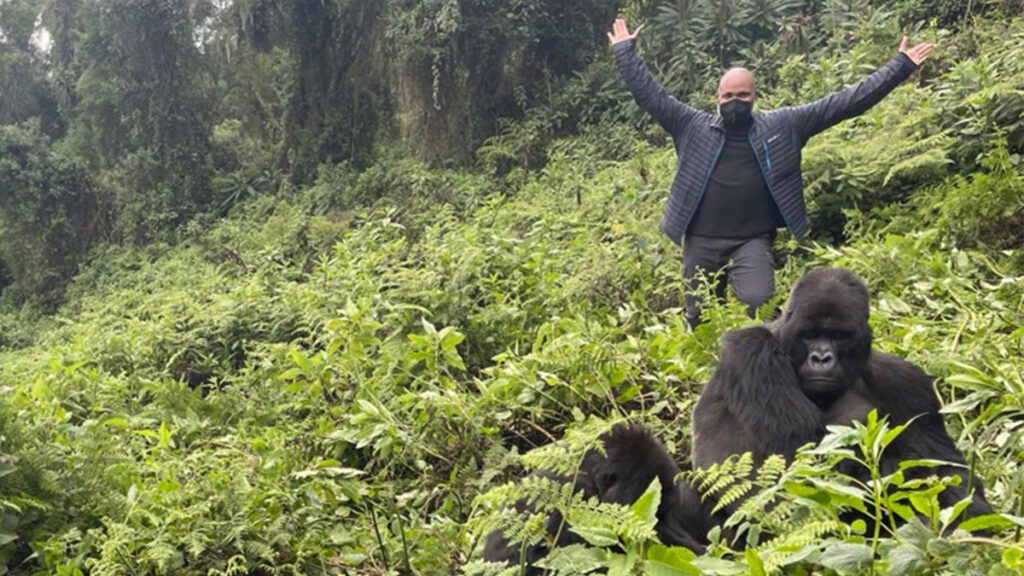
How Trekking Routes Work in Volcanoes National Park
Rangers assign trekkers to specific gorilla families each morning. Every gorilla family lives in a unique habitat. Some live close to the park boundary, while others stay deep in the forest or high on volcanic slopes. The route you take depends on the family you track, the weather, and current gorilla movement.
Short and Easy Routes
Short routes take one to two hours of hiking. These routes lead to gorilla groups that live near the lower forest edges. The terrain stays gentle, and the bamboo vegetation offers clear paths. Trekkers who want moderate effort choose these routes. Families such as Kwitonda, Agashya, or Amahoro often stay within reachable zones, though their movement changes every day. These routes suit travelers who want a calm experience without steep climbing.
Moderate Routes with Mixed Terrain
Moderate routes lead trekkers deeper into the forest. The trails cross bamboo thickets, muddy patches, and uneven ground. The hike takes two to four hours depending on the gorilla group’s location. Trekkers climb gentle ridges and move through thick undergrowth. These routes fit most travelers with normal fitness levels. Groups such as Sabyinyo and Hirwa often move between mid-altitude zones, so trekkers follow mixed terrain with steady climbs.
Challenging High-Slope Routes
Some gorilla families stay high on the volcanic slopes. Trekkers climb steep ridges, thick forests, and rocky sections. The air grows thinner as altitude increases, and the hike takes four to six hours or more. Trails become slippery after rain, and vegetation grows dense. These routes demand strong fitness and mental readiness. Families like Susa often stay on the high slopes of Karisimbi or Bisoke, so trekkers must tackle a demanding climb.
Daily Conditions Shape Trail Difficulty
Rain changes the trail instantly. Mud slows the pace and makes uphill sections tougher. Morning mist reduces visibility and adds moisture to vegetation. Rangers adjust the route when the gorillas move. A normally easy route can become moderate or difficult after heavy rain. Trekkers follow ranger instructions to move safely through each section.
How Rangers Choose Your Route
Rangers assess your fitness level, your age group, and your interest. They listen to special requests when possible. They also consider the current position of each gorilla family. This system helps trekkers enjoy the trek without unnecessary strain. The rangers also guide the pace, support the group, and ensure the trek stays safe.
What to Expect on Each Route
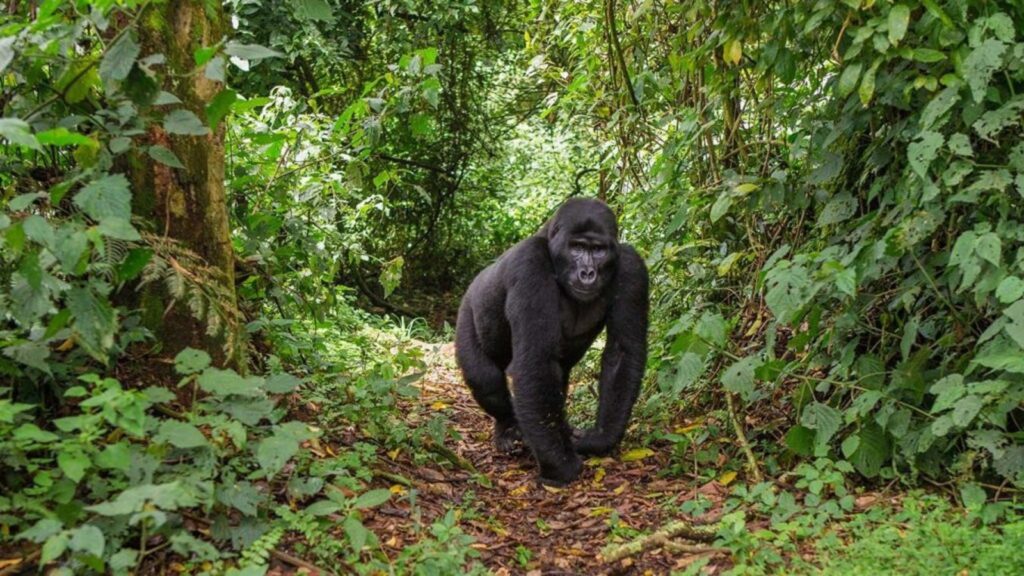
Every trek challenges your balance, your endurance, and your coordination. You climb, slide, step over roots, and push through vegetation. The forest offers fresh air, bird calls, and scenic clearings. Porters support trekkers with backpacks, hands, and guidance. A walking stick gives stability on slippery paths.
Tips to Handle Any Difficulty Level
Carry enough water to stay hydrated on steep climbs. Dress in long trousers and long-sleeved shirts to protect your skin. Wear strong hiking boots for grip on mud and rocks. Hire a porter to reduce your load and keep your energy steady. Move slowly and rest often when the altitude rises.
Plan Your Gorilla Trek
Each route in Volcanoes National Park offers its own challenge and reward. When you understand the difficulty levels, you prepare better and enjoy the once-in-a-lifetime experience.
For trekking routes, gorilla permits, and tailored safari packages, inquire and book with us at https://www.gorilla-permits.com.