Gorilla Trekking Legal Age Requirement: Everything You Need to Know Before Booking
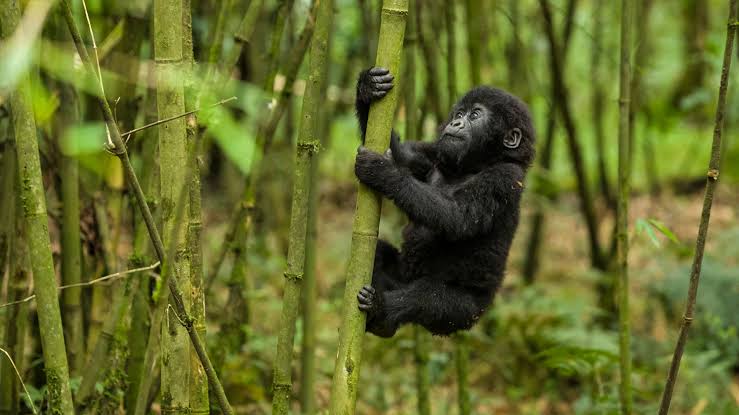
Gorilla trekking is one of Africa’s most extraordinary wildlife experiences, offering visitors the rare opportunity to observe endangered mountain gorillas in their natural habitat. Every year, thousands of travelers visit Uganda, Rwanda, and the Democratic Republic of Congo to participate in guided gorilla treks through protected forests. Before planning a trip, however, travelers must understand the gorilla trekking legal age requirement because wildlife authorities enforce strict age regulations for all participants.
The age requirement exists to protect both visitors and gorillas. Mountain gorilla trekking involves hiking through challenging terrain, following ranger instructions, and maintaining appropriate behavior around wildlife. Authorities have determined that participants below a certain age may not be adequately prepared for these responsibilities.
Understanding the legal age requirement helps families plan their safaris properly and avoid disappointment when arranging permits and travel itineraries.
What Is the Gorilla Trekking Legal Age Requirement?
The gorilla trekking legal age requirement in Uganda, Rwanda, and the Democratic Republic of Congo is generally 15 years old. Wildlife authorities require all participants to be at least 15 years of age on the day of the trek.
This regulation applies regardless of whether a traveler visits Bwindi Impenetrable National Park, Mgahinga Gorilla National Park, Volcanoes National Park, or Virunga National Park. Tour operators and wildlife authorities verify participant information during the permit booking process to ensure compliance with the rule.
The age requirement forms part of broader conservation and safety regulations designed to maintain a positive experience for visitors while protecting mountain gorillas.
Travelers should always confirm current regulations before booking because policies may change over time.
Why the Age Requirement Exists
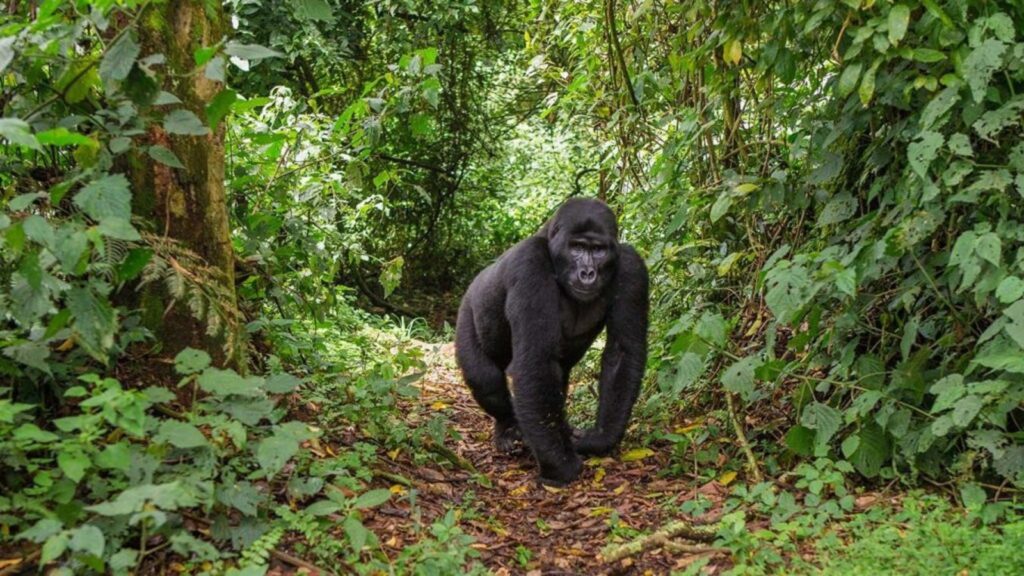
The gorilla trekking legal age requirement serves several important purposes. One reason involves the physical demands of gorilla trekking. Depending on the location of a gorilla family, visitors may hike for several hours through steep, muddy, or densely forested terrain.
Young children may find these conditions difficult and could struggle to keep pace with the group. Trekking also requires patience, concentration, and the ability to follow ranger instructions carefully.
Another important factor involves gorilla behavior and conservation. Children often react differently to wildlife encounters than older teenagers and adults. Sudden movements, loud noises, or emotional reactions could potentially disturb gorillas and affect the quality of the experience.
The age requirement helps ensure a safe and controlled environment for both visitors and gorillas.
Age Requirements in Uganda
Uganda strictly enforces the gorilla trekking legal age requirement of 15 years for all gorilla trekking activities. This rule applies to visitors trekking in both Bwindi Impenetrable National Park and Mgahinga Gorilla National Park.
During the permit booking process, travelers must provide personal information that includes age details. Uganda Wildlife Authority may request identification documents to verify eligibility.
Tour operators generally advise families traveling with younger children to consider alternative wildlife experiences while older family members participate in gorilla trekking.
Because permit costs are significant and availability is limited, confirming age eligibility before making payments is extremely important.
Age Requirements in Rwanda
Rwanda also applies a gorilla trekking legal age requirement of 15 years for visitors participating in gorilla trekking within Volcanoes National Park.
The Rwanda Development Board oversees permit management and enforces age regulations consistently. Travelers who do not meet the minimum age requirement cannot participate in gorilla trekking activities regardless of parental consent.
Rwanda’s policy reflects the country’s commitment to responsible tourism and mountain gorilla conservation. The regulation helps maintain safety standards while ensuring that visitors can fully appreciate the trekking experience.
Families planning Rwanda safaris should consider age requirements early in the planning process.
Age Requirements in Congo
The Democratic Republic of Congo generally follows the same gorilla trekking legal age requirement of 15 years for mountain gorilla trekking activities in Virunga National Park when tourism operations are active.
As in neighboring countries, authorities implement the age restriction to protect visitors and wildlife. Permit booking procedures typically include age verification requirements to ensure compliance.
Travelers considering Congo gorilla trekking should confirm current regulations directly with authorized operators because operational policies can vary depending on tourism conditions and park management decisions.
Understanding eligibility requirements before travel remains essential.
How Authorities Verify Age
Verification plays an important role in enforcing the gorilla trekking legal age requirement. During the permit reservation process, operators usually collect passport information or other identification details from travelers.
Park authorities may review these records before issuing permits. On the trekking day, visitors often present passports or identification documents during registration and briefing procedures.
Providing accurate information is important because attempting to circumvent age restrictions can result in denied participation without compensation.
Travelers should ensure that all submitted details match official identification documents.
Are There Any Exceptions to the Age Requirement?
Many families ask whether exceptions exist to the gorilla trekking legal age requirement. In most cases, authorities enforce the minimum age strictly and do not grant routine exceptions.
However, rare situations may arise where park authorities consider individual circumstances. Such decisions typically depend on official policies, maturity assessments, physical capability, and other factors determined by the relevant wildlife authority.
Because exceptions remain uncommon, families should not rely on receiving special approval. Planning based on the established age requirement remains the safest approach.
Travelers should consult official authorities if they have specific questions regarding eligibility.
Alternatives for Younger Children
Families traveling with children below the gorilla trekking legal age requirement can still enjoy many other wildlife and cultural experiences in gorilla trekking destinations.
National parks often offer nature walks, community visits, birdwatching opportunities, cultural tours, and educational activities suitable for younger travelers. In some destinations, visitors can participate in guided forest experiences that do not involve gorilla trekking.
These alternatives allow families to explore the region while ensuring compliance with conservation regulations.
A well-planned itinerary can provide meaningful experiences for travelers of all ages.
Safety Considerations Behind the Rule
Safety remains one of the strongest reasons for maintaining the gorilla trekking legal age requirement. Gorilla trekking takes place in natural environments where visitors encounter physical challenges and unpredictable conditions.
Participants must follow safety instructions, maintain appropriate distances from gorillas, and respond calmly during wildlife encounters. Older teenagers generally possess the maturity needed to understand and follow these requirements.
The regulation helps reduce risks while improving the overall experience for trekking groups.
By maintaining age limits, authorities create a safer environment for both humans and gorillas.
Planning a Family Gorilla Safari
Families interested in gorilla trekking should consider the gorilla trekking legal age requirement early in the planning process. Understanding age eligibility helps determine whether all family members can participate or whether alternative arrangements may be necessary.
Some families choose to schedule separate activities for younger children while eligible members participate in the trek. Others delay their safari until all children meet the minimum age requirement.
Working with an experienced tour operator can help families design itineraries that accommodate different ages and interests.
Advance planning often leads to a smoother and more enjoyable travel experience.
Conservation Benefits of the Age Requirement
The gorilla trekking legal age requirement supports broader conservation objectives. Mountain gorillas remain vulnerable to human disturbances and disease transmission. Limiting participation to older visitors helps create more controlled and predictable interactions.
Older participants are generally better equipped to follow health guidelines, maintain proper viewing distances, and comply with conservation regulations.
These measures contribute to the long-term protection of mountain gorillas and help preserve the quality of the trekking experience.
Responsible tourism practices remain essential for conservation success.
Conclusion
The gorilla trekking legal age requirement of 15 years plays a vital role in protecting both visitors and mountain gorillas. Uganda, Rwanda, and the Democratic Republic of Congo enforce this regulation to ensure that participants possess the maturity, physical capability, and understanding necessary for safe and responsible trekking.
Families planning gorilla safaris should verify age eligibility before booking permits and making travel arrangements. Understanding the requirement helps prevent complications while supporting conservation goals and visitor safety.
By respecting age regulations and preparing appropriately, travelers can enjoy a rewarding gorilla trekking experience that contributes to the long-term protection of one of the world’s most remarkable wildlife species.