Gorilla Trekking from Canada: Complete Planning Guide
Gorilla trekking from Canada is an extraordinary African adventure that allows Canadian travelers to experience endangered mountain gorillas in their natural forest habitat. The journey takes travelers from the cities and landscapes of Canada to the misty mountain forests of East Africa, where gorilla families live in protected environments. Because the journey involves international flights, long-distance transfers, limited gorilla permits, and trekking through challenging terrain, careful preparation can make the experience much easier and more enjoyable.
For Canadian travelers, Uganda and Rwanda are two of the leading destinations to consider when planning a mountain gorilla trekking holiday. Uganda offers gorilla trekking in Bwindi Impenetrable National Park and Mgahinga Gorilla National Park, while Rwanda offers the experience in Volcanoes National Park. Each destination has different advantages in terms of accessibility, accommodation, safari opportunities, and itinerary planning. This gorilla trekking from Canada guide explains how to plan the journey, from choosing a destination and booking flights to arranging permits, accommodation, transportation, travel insurance, packing, and combining gorilla trekking with a wider African safari.
Choosing Between Uganda and Rwanda
The first major decision when planning a gorilla trekking trip from Canada is choosing the country where you want to experience the gorillas. Uganda and Rwanda both offer encounters with mountain gorillas, but the overall travel experience differs between the two destinations.
Uganda is particularly attractive to travelers who want to combine gorilla trekking with a broader wildlife safari. Bwindi Impenetrable National Park contains several gorilla trekking sectors, including Buhoma, Ruhija, Rushaga, and Nkuringo. Travelers can combine their gorilla experience with chimpanzee trekking in Kibale National Park, wildlife viewing in Queen Elizabeth National Park, or other destinations depending on the length of their trip. Uganda therefore works well for Canadian travelers who want a more extensive African adventure.
Rwanda offers a convenient alternative because Volcanoes National Park is relatively close to Kigali. This makes Rwanda attractive to Canadian travelers who have limited vacation time and want to reduce the amount of time spent traveling by road after arriving in Africa. Rwanda also has a strong luxury tourism sector and offers a wide range of high-end accommodation options around the gorilla trekking region.
The best destination ultimately depends on your budget, available vacation time, preferred accommodation, and interest in combining gorilla trekking with other safari experiences.
Planning Flights from Canada to East Africa
International flights represent one of the most important parts of planning a gorilla trekking trip from Canada. Canadian travelers normally need to connect through an international aviation hub before reaching Uganda or Rwanda. Depending on the departure city and airline, the journey may involve one or more connections.
Travelers heading to Uganda generally fly into Entebbe International Airport. Those visiting Rwanda normally arrive through Kigali International Airport. Canadian travelers may begin their journey from Toronto, Montreal, Vancouver, Calgary, Edmonton, or another Canadian airport before connecting internationally.
When comparing flights, travelers should consider total journey time rather than looking only at the ticket price. A cheaper itinerary with several long connections may create significant fatigue before the safari even begins. A convenient connection schedule can make the journey considerably more comfortable.
It is also wise to avoid arranging the gorilla trek immediately after arriving from Canada. International flights can experience delays, and travelers need time to recover from the long journey and adjust to the local time zone. Including at least one night before the gorilla trek provides a useful buffer and reduces the risk of missing a scheduled trekking activity because of an unexpected flight disruption.
How Long Should a Gorilla Trip from Canada Take?
The distance between Canada and East Africa means that travelers should think carefully about the total length of their vacation. Although it is technically possible to organize a short gorilla trekking trip, a longer itinerary usually provides a more relaxed experience.
A Canadian traveler with limited vacation time may choose a four- to six-day itinerary focusing primarily on gorilla trekking and nearby destinations. Travelers with one or two weeks available can create a much more comprehensive safari.
Uganda provides excellent opportunities for longer itineraries. A Canadian traveler might begin with a wildlife safari, continue to Kibale for chimpanzee trekking, and then travel to Bwindi for the gorilla experience. Other national parks and attractions can also be incorporated depending on the route.
Rwanda can work particularly well for shorter trips because Kigali provides relatively convenient access to Volcanoes National Park. Travelers can spend several days exploring Rwanda while making gorilla trekking the centerpiece of the itinerary.
The ideal length depends on your vacation allowance, budget, and interests, but travelers coming from Canada should avoid making the trip unnecessarily rushed.
Gorilla Permits for Canadian Travelers
A gorilla permit is essential for anyone participating in a standard mountain gorilla trek. Each traveler requires an individual permit, and wildlife authorities limit the number of visitors who can visit habituated gorilla families each day.
For Canadian travelers, the gorilla permit should be treated as one of the first major bookings rather than something to arrange after flights and accommodation. Permit availability can influence the date of the trek, and the trekking date can then determine the rest of the itinerary.
Permit prices vary between countries and can change when wildlife authorities revise their regulations or fees. Travelers should therefore confirm the current permit price before making a final budget.
The permit is also only one component of the total safari cost. Canadian travelers need to budget for international flights, accommodation, transportation, meals, guides, visas, travel insurance, tips, and optional activities.
For related information, Canadian travelers can explore your guides on gorilla permit price 2026, buy a gorilla permit online, and check gorilla permit availability.
Visa and Entry Requirements
Canadian travelers should check the current immigration requirements for their chosen destination before traveling. Uganda and Rwanda have their own entry procedures, and requirements can change over time.
Travelers should ensure that their Canadian passport meets the applicable validity requirements and has sufficient space for immigration endorsements where necessary. It is also useful to keep digital and physical copies of important documents such as passport information, flight reservations, accommodation confirmations, insurance details, and gorilla permit documentation.
Travelers should not rely exclusively on old travel blogs for visa information because immigration policies can change. Checking official government and immigration sources before departure provides more reliable information.
Your safari operator can also help clarify the documentation required for the specific itinerary. Starting this process early gives you enough time to resolve any unexpected documentation issues before leaving Canada.
Health and Travel Preparation
Health preparation forms an important part of any gorilla trekking from Canada itinerary. Canadian travelers should consult an appropriate travel-health professional well before departure to discuss destination-specific health recommendations, vaccinations, medications, and other precautions.
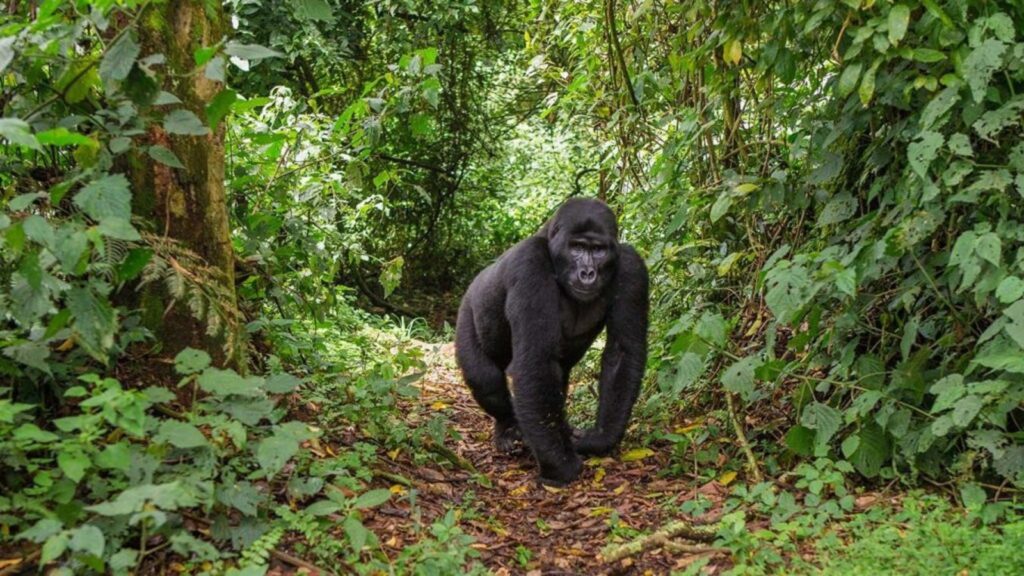
The physical demands of gorilla trekking also deserve attention. The trek takes place in mountainous rainforest environments where trails can become steep, muddy, slippery, and uneven. The duration varies depending on where the gorilla family has moved, so travelers should prepare for the possibility of several hours of walking.
Walking regularly before the trip can improve endurance and confidence. Travelers do not necessarily need to become professional hikers, but improving general fitness can make the forest trek more enjoyable.
Travel insurance is another important consideration. Canadian travelers should carefully review whether their insurance covers emergency medical treatment, evacuation, trip interruption, delays, and trekking activities. The exact coverage varies between policies, so travelers should read the conditions rather than assuming that every policy provides identical protection.
Booking Accommodation Near the Gorilla Trekking Area
Accommodation should be selected according to the location of the gorilla trekking activity. This is particularly important in Uganda because Bwindi has several trekking sectors spread across a large area.
A traveler assigned to Buhoma, for example, should ideally stay near Buhoma rather than booking accommodation in a distant sector. The same principle applies to Ruhija, Rushaga, and Nkuringo.
Rwanda offers accommodation around Volcanoes National Park, ranging from relatively simple guesthouses to luxury lodges. Canadian travelers can choose according to their budget and preferred level of comfort.
Accommodation becomes especially important after the trek. A long day walking through the forest can leave travelers tired, so a comfortable lodge, good meals, hot showers, and a relaxing environment can significantly improve the overall experience.
Travelers should also tell their accommodation provider about dietary requirements or other practical needs before arrival. Early communication allows the lodge to prepare appropriately.
Transportation Within Uganda or Rwanda
Getting from the international airport to the gorilla trekking area requires careful planning. The distances can be substantial, particularly in Uganda.
Canadian travelers heading to Uganda usually arrive at Entebbe and then continue toward southwestern Uganda by road or use a combination of road and domestic air services. The journey to Bwindi can take considerable time depending on the route and trekking sector.
Rwanda generally offers shorter road transfers between Kigali and Volcanoes National Park. This can be a major advantage for travelers who want to minimize long overland journeys.
The quality of transportation matters because some roads approaching Uganda’s gorilla trekking areas can be winding or rough. A suitable safari vehicle and experienced driver can make the journey considerably more comfortable.
Travelers should also build flexibility into their itinerary. Traffic, weather, road conditions, and flight schedules can occasionally affect travel times. A well-designed itinerary avoids unnecessarily tight connections.
What Canadian Travelers Should Pack
Packing for gorilla trekking requires preparation for a wet and mountainous rainforest environment. Conditions can change quickly, and trails may become muddy even when the morning begins with clear weather.
Canadian travelers should bring comfortable hiking clothing, sturdy footwear with good traction, waterproof outer clothing, and layers that can accommodate changing temperatures. Long trousers and long-sleeved shirts can provide useful protection from vegetation and insects.
A lightweight backpack is useful for carrying water, snacks, personal items, waterproof storage, and camera equipment. Electronics should receive additional protection because rainfall is possible.
Good hiking boots are particularly important. Travelers should ideally wear them before the safari rather than bringing brand-new footwear that could cause discomfort or blisters.
A practical packing strategy is better than carrying excessive equipment. The objective is to remain comfortable and mobile while walking through dense forest terrain.
What Happens on the Gorilla Trekking Day?
The trekking day normally begins early at the designated park headquarters or meeting point. Travelers receive a briefing covering safety procedures, gorilla-viewing rules, conservation guidelines, and expectations for the trek.
After the briefing, travelers are assigned to trekking groups and begin walking into the forest. The duration of the trek depends on the location of the gorilla family. Because the gorillas move naturally through the forest, no traveler can know exactly how long the trek will take in advance.
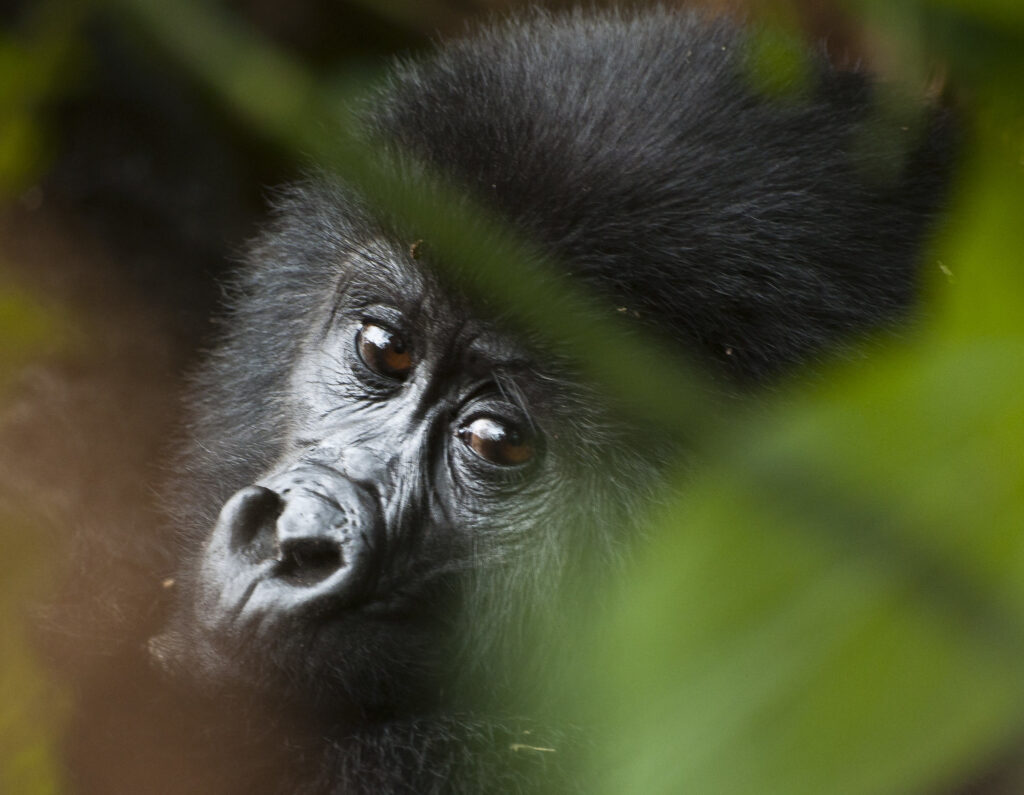
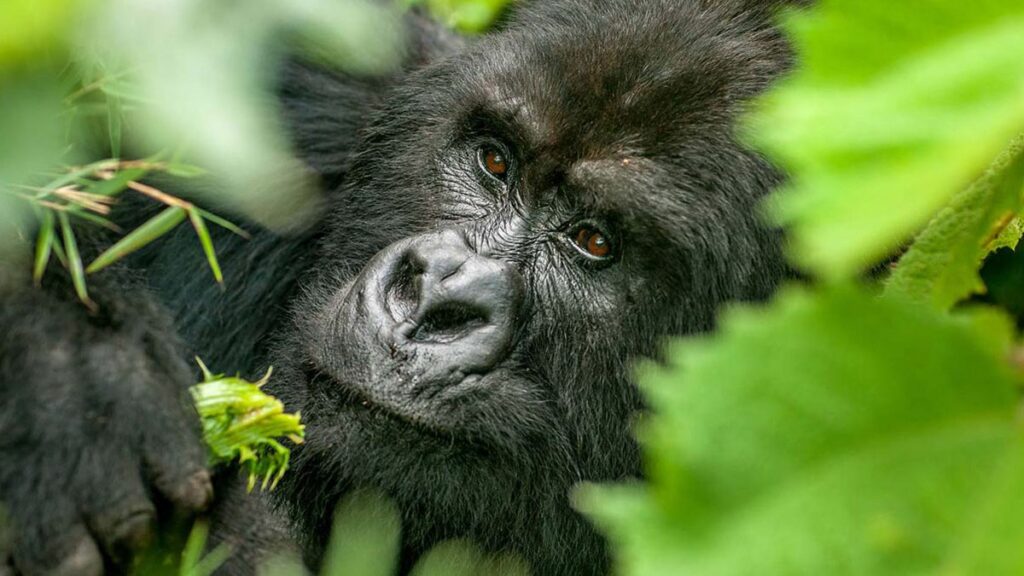
Once the gorillas are located, visitors follow the instructions of their guides and trackers. The encounter provides an opportunity to observe natural behavior such as feeding, grooming, resting, playing, and interactions between different members of the family.
Travelers should remain calm and avoid sudden movements. They should also avoid touching the gorillas, feeding them, or attempting to attract their attention.
Photography can be an important part of the experience, but visitors should never allow cameras to distract them from following conservation and safety instructions.
Gorilla Trekking Rules and Etiquette
Responsible behavior helps protect both gorillas and visitors. Canadian travelers should listen carefully to their guides and follow all instructions throughout the trek.
Visitors should maintain the required distance from gorillas and avoid behavior that could disturb the animals. Loud noises, unnecessary movements, feeding wildlife, littering, and attempts to touch gorillas can create unnecessary risks.
Health precautions also matter because humans and gorillas can share certain infectious diseases. Travelers should follow current park instructions concerning illness, hygiene, masks where applicable, and other health measures.
Respect should extend beyond the gorillas. Canadian travelers should also interact respectfully with local communities, guides, trackers, porters, drivers, and lodge staff.
Choosing responsible tourism services helps ensure that the economic benefits of gorilla tourism reach communities around the protected areas while supporting long-term conservation efforts.
Budgeting for Gorilla Trekking from Canada
The total cost of gorilla trekking from Canada varies significantly depending on the destination, travel dates, accommodation level, itinerary length, and airfare.
The major expenses usually include international flights, gorilla permits, accommodation, transportation, meals, visas, insurance, tips, and optional activities. A luxury itinerary can cost substantially more than a budget or mid-range safari.
Canadian travelers should request a detailed safari quotation that clearly explains what the package includes. Comparing only the gorilla permit price can produce an inaccurate picture of the total cost.
Travelers should also set aside an emergency or contingency budget. Unexpected expenses can arise from flight changes, additional accommodation, transport adjustments, or personal purchases.
Booking major components early can make the planning process easier. It can also improve the chance of finding suitable accommodation and obtaining permits for preferred trekking dates.
Best Time to Travel from Canada
Gorilla trekking takes place throughout the year, so Canadian travelers can plan their trip according to their vacation schedule, budget, and weather preferences.
Some travelers prefer periods that generally offer more favorable trekking conditions, while others choose wetter periods because they may find different accommodation availability or travel deals. However, gorilla trekking occurs in a rainforest environment, meaning rainfall remains possible throughout the year.
Travelers should therefore prepare for rain regardless of their travel month. Waterproof clothing and appropriate footwear remain important parts of the packing strategy.
The best time for an individual Canadian traveler is often the period when they can obtain a suitable gorilla permit, take enough vacation time, and comfortably manage the overall travel budget.
Combining Gorilla Trekking With an African Safari
One of the biggest advantages of traveling from Canada to East Africa is the opportunity to combine gorilla trekking with other wildlife experiences.
Uganda is especially suitable for this approach. Travelers can combine gorilla trekking in Bwindi with chimpanzee trekking in Kibale and game drives in Queen Elizabeth National Park. Depending on the itinerary, Lake Mburo National Park and other destinations can also be added.
Rwanda provides a different combination of experiences. Canadian travelers can explore Kigali, experience Rwandan culture, visit Volcanoes National Park, and potentially add other destinations depending on the available time.
A combined itinerary provides a richer African experience and allows travelers to see more than one type of landscape and wildlife environment.
For Canadians making the long journey to Africa, spending additional time exploring the region can also make the international trip feel more worthwhile.
Travel Insurance for Canadian Gorilla Trekkers
Travel insurance should form part of the planning process rather than an afterthought. Canadian travelers should examine their policies carefully before leaving home.
A suitable policy may provide protection against unexpected medical expenses, emergency evacuation, trip cancellation, travel delays, lost baggage, or interruptions. However, coverage differs between providers and policies.
Trekking activities can also have specific conditions. Travelers should check whether their policy covers the altitude, terrain, and activities included in their safari.
It is important to keep the insurance policy details accessible throughout the trip. Digital copies stored securely online can be useful, while a physical copy can provide a backup if internet access becomes unavailable.
Frequently Asked Questions
Is gorilla trekking from Canada worth it?
Yes, for travelers who enjoy wildlife, nature, conservation, photography, and unique cultural experiences, gorilla trekking can be one of the most rewarding African adventures. The experience provides a rare opportunity to observe mountain gorillas in their natural habitat.
How do Canadians get to Uganda for gorilla trekking?
Canadian travelers generally fly internationally to Entebbe International Airport before continuing toward the gorilla trekking region by road or a combination of air and road transportation.
How do Canadians get to Rwanda for gorilla trekking?
Travelers normally fly to Kigali International Airport and then continue by road to the Volcanoes National Park region.
How far ahead should I book gorilla trekking?
Early booking is recommended because gorilla permits are limited. Travelers should begin planning several months ahead, particularly if they have fixed travel dates or plan to travel during a busy period.
Is gorilla trekking difficult?
The difficulty varies between trekking groups and days. Some treks can be relatively short, while others require several hours of walking across steep, muddy, and uneven terrain. Physical preparation can make the experience more comfortable.
Can older Canadian travelers go gorilla trekking?
Age alone does not determine whether someone can participate. Fitness, mobility, and individual circumstances matter. Travelers with mobility concerns should discuss their needs with their tour operator before booking so appropriate arrangements can be considered.
Can I combine gorilla trekking with other African wildlife?
Yes. Uganda offers particularly strong opportunities to combine gorilla trekking with chimpanzee trekking and traditional wildlife safaris. Rwanda also provides opportunities to combine gorilla trekking with cultural and wildlife experiences.
Conclusion
Gorilla trekking from Canada requires more planning than an ordinary vacation, but careful preparation can turn the long journey into an extraordinary African adventure. Canadian travelers need to consider international flights, gorilla permits, visas, accommodation, transportation, travel insurance, physical preparation, packing, and the overall safari itinerary.
Uganda and Rwanda both provide exceptional mountain gorilla experiences, but they suit different travel styles. Uganda offers extensive opportunities to combine gorilla trekking with a broader wildlife safari, while Rwanda provides convenient access from Kigali and a strong luxury-tourism infrastructure.
The most important step is to start planning early. Securing the gorilla permit first can help determine the trekking date and make it easier to organize accommodation, transportation, flights, and other safari activities around the experience.
With proper preparation and responsible travel practices, Canadian travelers can enjoy an unforgettable encounter with mountain gorillas while contributing to conservation and supporting communities around the protected forests.