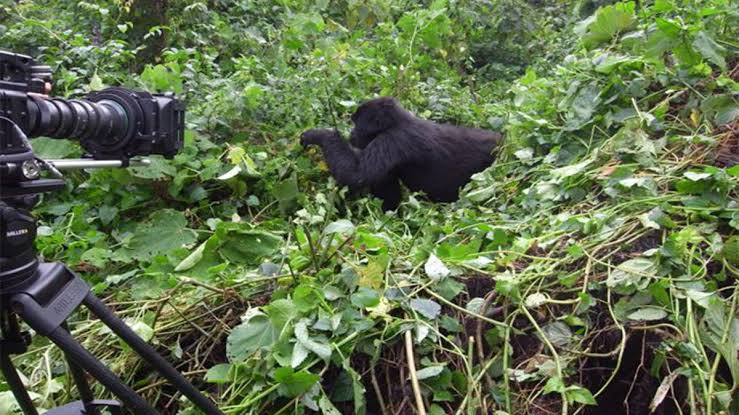
Gorilla Trekking Documentary Watch Guide: How to Learn About Mountain Gorillas Through Film
Documentaries have introduced millions of people to the extraordinary world of mountain gorillas. Through breathtaking cinematography and expert storytelling, filmmakers capture the beauty of East Africa’s rainforests while highlighting the challenges and successes of gorilla conservation. Many travelers begin planning their safari after watching a wildlife documentary, while students and conservation enthusiasts use these films to deepen their understanding of one of the world’s most endangered great apes. If you are searching for a gorilla trekking documentary watch guide, this article explains what to expect, where to find reliable documentaries, and how these productions support conservation education.
Although watching a documentary cannot replace the unforgettable experience of trekking through the forests of Uganda, Rwanda, or the Democratic Republic of the Congo, it offers an excellent introduction to mountain gorillas and the people working tirelessly to protect them. A well-produced documentary prepares future visitors, promotes responsible tourism, and inspires greater appreciation for wildlife conservation.
Why Watch a Gorilla Trekking Documentary?
Wildlife documentaries combine education with entertainment, making them one of the most effective ways to learn about mountain gorillas.
Viewers gain insight into gorilla behavior, family structures, rainforest ecosystems, conservation challenges, scientific research, and responsible tourism. High-quality productions also showcase the spectacular scenery of East Africa’s national parks, allowing audiences to experience the beauty of mountain gorilla habitats from anywhere in the world.
A gorilla trekking documentary watch experience helps people understand why mountain gorillas deserve continued protection.
What You Can Learn
A good documentary covers far more than close-up footage of gorillas.
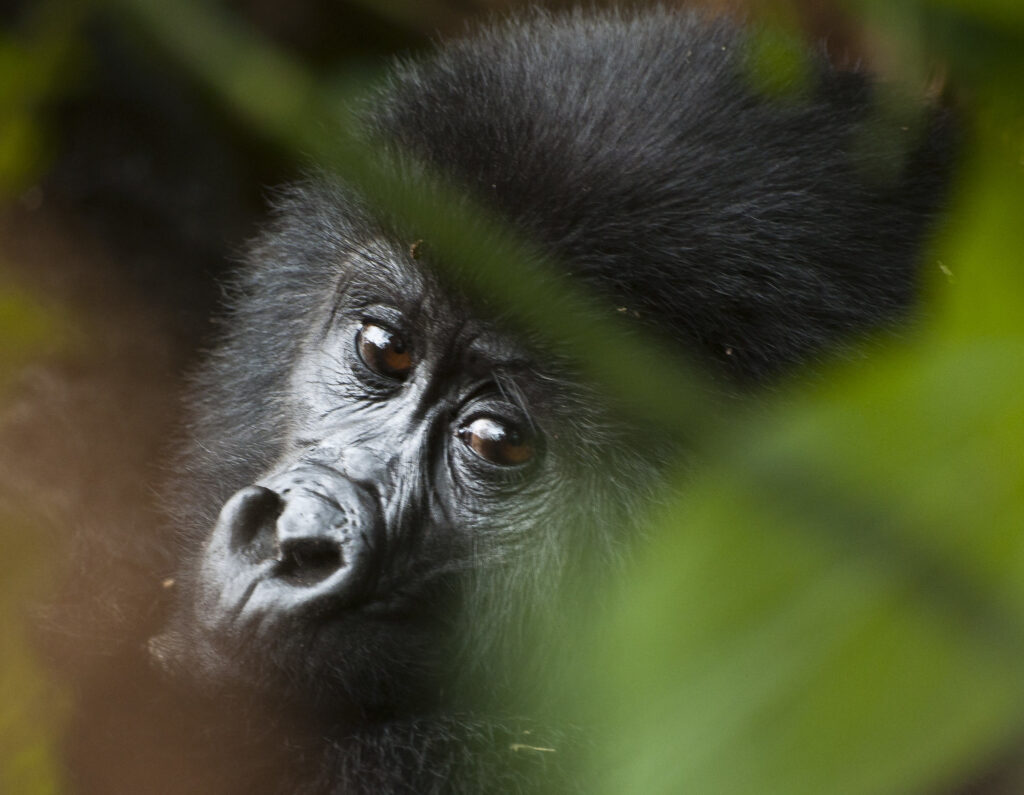
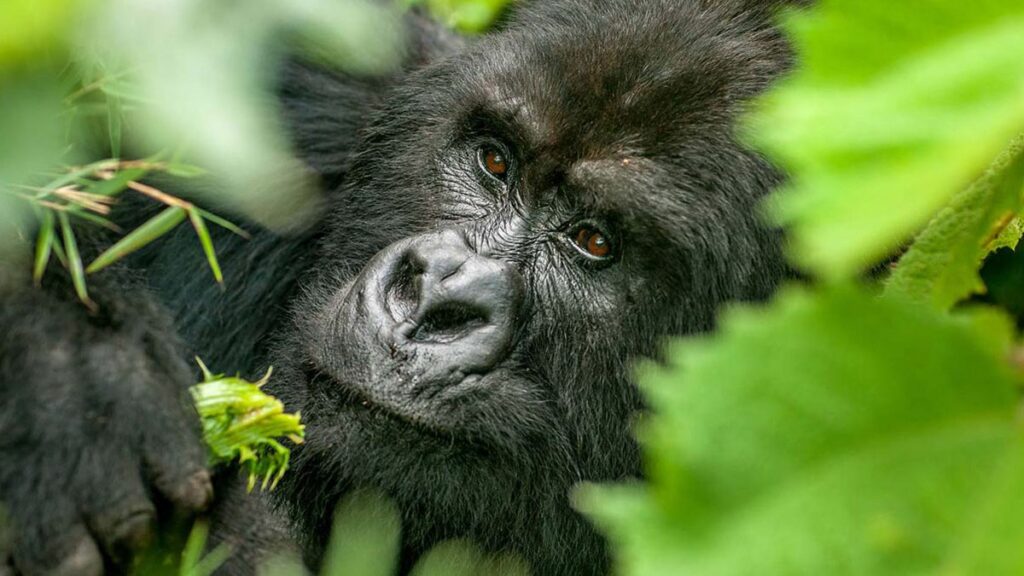
Many productions explain how gorilla families live together, how young gorillas learn from adults, and how dominant silverbacks protect their groups. Viewers also discover the importance of habitat conservation, veterinary care, scientific monitoring, and community partnerships that contribute to the survival of mountain gorillas.
A gorilla trekking documentary watch session provides valuable knowledge for travelers, students, teachers, and wildlife enthusiasts alike.
Education strengthens conservation awareness.
Exploring East Africa’s Gorilla Parks
Most documentaries feature the protected forests where mountain gorillas live.
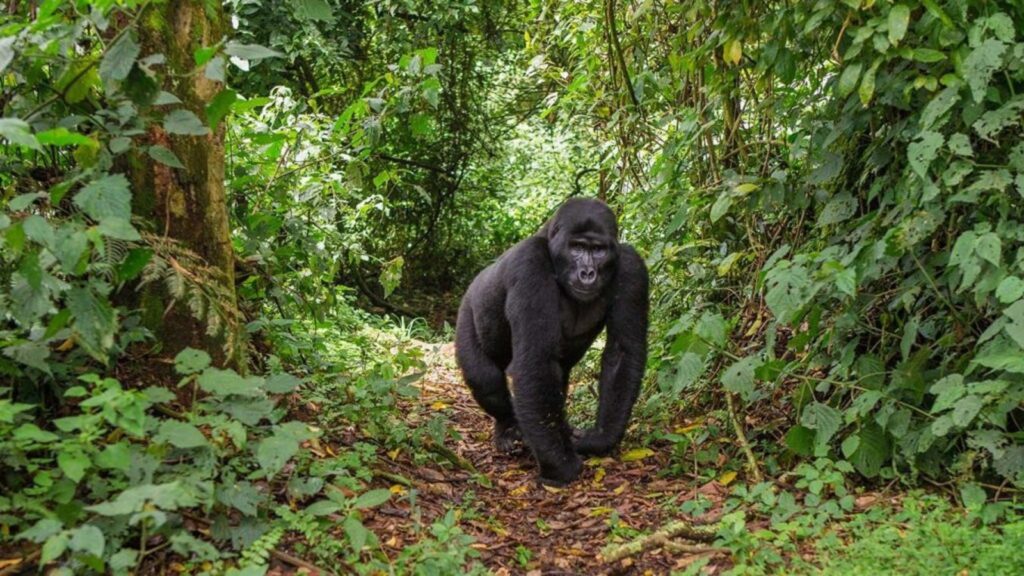
These films often introduce viewers to Bwindi Impenetrable National Park and Mgahinga Gorilla National Park in Uganda, Volcanoes National Park in Rwanda, and Virunga National Park in the Democratic Republic of the Congo. Alongside stunning scenery, viewers learn about the unique characteristics of each destination and the conservation programs that safeguard these remarkable ecosystems.
A gorilla trekking documentary watch guide helps viewers appreciate the importance of these protected landscapes.
Preparing for a Gorilla Trekking Safari
Many travelers watch documentaries before booking their gorilla adventure.
Films demonstrate what trekking involves, including ranger briefings, forest hiking, conservation rules, and the respectful way visitors observe gorillas. Seeing these experiences beforehand helps travelers understand what to expect while encouraging responsible behavior during their own safari.
A gorilla trekking documentary watch experience builds confidence and enhances appreciation before arriving in East Africa.
Preparation contributes to a more rewarding journey.
Supporting Conservation Through Storytelling
Powerful storytelling can inspire people to care about wildlife.
Many documentaries highlight the dedication of park rangers, veterinarians, researchers, conservation organizations, and local communities working together to protect mountain gorillas. By sharing these stories, filmmakers help audiences understand that conservation requires long-term commitment, scientific research, and sustainable tourism.
A gorilla trekking documentary watch experience often motivates viewers to support conservation initiatives or plan a responsible wildlife safari.
Choosing Reliable Documentaries
Not every wildlife film offers the same level of scientific accuracy or educational value.
Choose documentaries produced by reputable broadcasters, conservation organizations, educational institutions, or experienced wildlife filmmakers. High-quality productions rely on expert interviews, accurate research, and ethical filming practices that prioritize animal welfare over dramatic footage.
A carefully selected gorilla trekking documentary watch experience provides trustworthy information while respecting wildlife.
Reliable information improves understanding.
Where to Watch Gorilla Trekking Documentaries
Today, viewers can access wildlife documentaries through many legitimate digital platforms.
Streaming services, television nature channels, educational websites, conservation organizations, museums, universities, and official tourism organizations regularly publish documentary content about mountain gorillas and conservation. Many institutions also produce short educational films and recorded presentations that complement full-length documentaries.
When searching for a gorilla trekking watch experience documentary, choose legal and reputable sources that respect copyright and support wildlife education.
Documentaries for Schools and Families
Mountain gorilla documentaries make excellent educational resources for learners of all ages.
Teachers can use them to support lessons in biology, geography, ecology, environmental science, and conservation. Families can also watch together to introduce children to endangered wildlife and the importance of protecting biodiversity.
A gorilla trekking documentary watch session encourages discussion while inspiring curiosity about nature and conservation.
Learning together creates lasting memories.
Documentaries Complement Real Gorilla Trekking
Watching a documentary offers valuable education, but it cannot recreate the emotions of an actual gorilla trek.
Standing quietly in a rainforest while observing a wild gorilla family, hearing the sounds of the forest, and experiencing the natural environment firsthand creates memories that remain unmatched. Documentaries serve as preparation and inspiration, while real gorilla trekking provides a direct connection with nature.
A gorilla trekking documentary watch experience complements, rather than replaces, responsible wildlife tourism.
The Future of Gorilla Wildlife Documentaries
Technology continues to improve wildlife filmmaking.
Modern productions increasingly use ultra-high-definition cameras; drones where permitted and appropriate outside sensitive wildlife interactions; immersive audio; 360-degree video; and virtual reality to create richer educational experiences. Future documentaries may also include interactive learning features and multilingual content that make mountain gorilla conservation accessible to even larger global audiences.
These innovations will continue strengthening conservation education while inspiring future generations of wildlife supporters.
Conclusion
A gorilla trekking documentary watch experience offers an inspiring way to discover the remarkable world of mountain gorillas without leaving home. Through expert storytelling, stunning visuals, and accurate conservation information, documentaries introduce viewers to the forests of East Africa, the lives of mountain gorillas, and the dedicated people working to protect them.
Whether you are preparing for your first gorilla trekking safari, teaching students about wildlife conservation, or simply exploring one of Africa’s greatest natural wonders, documentaries provide valuable knowledge that deepens appreciation for these endangered great apes. Combined with responsible tourism and continued conservation efforts, educational films help ensure that mountain gorillas remain protected for future generations.