Gorilla Trekking Disability Policy: Accessible Gorilla Trekking in Rwanda
Rwanda has established itself as one of Africa’s leading wildlife tourism destinations, attracting visitors from around the world who come to experience mountain gorilla trekking in Volcanoes National Park. The country’s commitment to conservation, sustainable tourism, and high-quality visitor experiences has contributed significantly to the success of its gorilla tourism industry. As tourism continues to evolve, there is increasing recognition that travel experiences should be accessible to people with diverse abilities and mobility needs. This growing focus has brought attention to the importance of a comprehensive gorilla trekking disability policy.
Disability inclusion in tourism involves creating opportunities for people with physical, sensory, cognitive, and mobility challenges to participate in tourism activities as fully as possible. While gorilla trekking naturally presents unique physical challenges because it takes place in mountainous forest environments, Rwanda has implemented various measures to support visitors who require additional assistance.
A gorilla trekking disability policy helps establish guidelines for accessibility, visitor support, safety procedures, and accommodation services. These policies aim to reduce barriers to participation while ensuring that conservation standards and visitor safety remain a priority. Through inclusive tourism practices, Rwanda continues working toward making gorilla trekking accessible to a wider range of travelers.
What Is a Gorilla Trekking Disability Policy?
A gorilla trekking disability policy is a framework of guidelines, procedures, and support measures designed to assist visitors with disabilities who wish to participate in gorilla trekking experiences. The policy outlines how tourism operators, conservation authorities, accommodations, and support personnel can help visitors access tourism activities safely and comfortably.
The policy typically addresses areas such as visitor assistance, accessibility information, transportation arrangements, accommodation requirements, emergency response procedures, and specialized trekking support services. It also helps ensure that tourism providers understand how to respond appropriately to the diverse needs of travelers.
Rather than guaranteeing identical experiences for all visitors, disability policies focus on providing reasonable accommodations that increase participation opportunities. The goal is to make gorilla trekking as accessible as possible within the realities of a protected mountain forest environment.
Such policies form an important part of responsible and inclusive tourism management.
Why Disability Inclusion Matters in Gorilla Tourism
The significance of a gorilla trekking disability policy extends beyond tourism operations. Inclusive tourism reflects broader principles of equality, dignity, and access to opportunities regardless of physical ability.
Many travelers with disabilities have a strong interest in wildlife experiences and conservation tourism. Without appropriate support systems, however, they may face barriers that limit their ability to participate. Disability-inclusive policies help address these challenges by identifying practical solutions and support mechanisms.
Accessible tourism also provides economic benefits. By welcoming a wider range of visitors, tourism destinations can expand their market reach while demonstrating their commitment to social inclusion. Families and companions traveling with visitors who have disabilities often choose destinations that prioritize accessibility.
The result is a more welcoming tourism environment that benefits both visitors and tourism providers.
Gorilla Trekking Challenges for Visitors with Disabilities
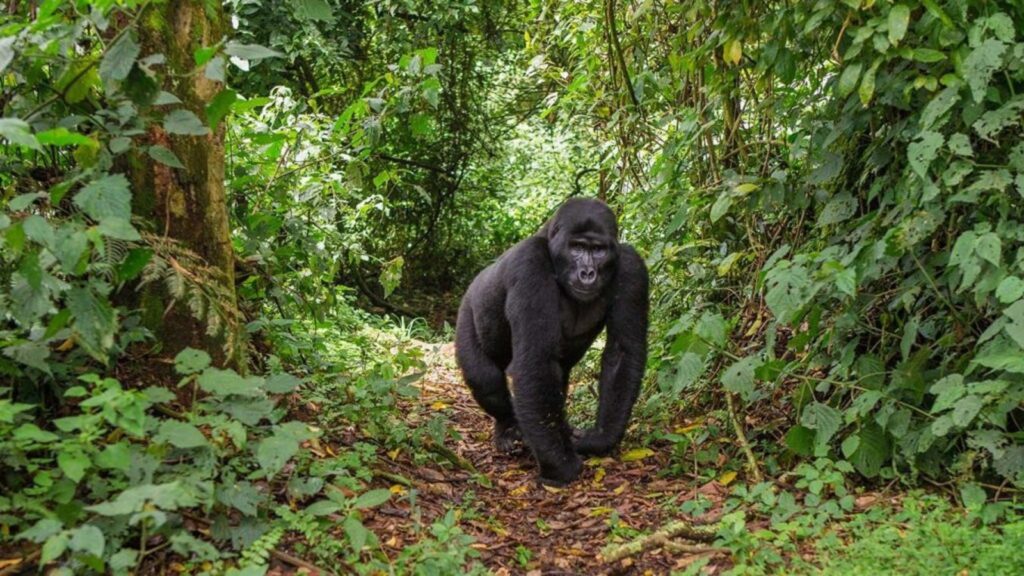
Understanding the need for a gorilla trekking disability policy requires an appreciation of the physical realities of gorilla trekking. Volcanoes National Park consists of mountainous terrain, dense vegetation, muddy trails, steep slopes, and varying weather conditions.
Mountain gorilla families move freely within the forest, which means trekking distances and difficulty levels change from day to day. Some gorilla groups may be located relatively close to trailheads, while others may require longer hikes through more demanding terrain.
These environmental conditions can present challenges for travelers with mobility impairments or other disabilities. However, the existence of natural obstacles does not mean that participation is impossible. Through proper planning, specialized support services, and individualized assistance, many visitors who might otherwise be unable to trek have successfully experienced gorilla encounters.
The disability policy helps guide these accommodation efforts.
Assisted Gorilla Trekking Services
One of the most important elements of a gorilla trekking disability policy is the provision of assisted trekking services. Rwanda offers specialized support for visitors who require help reaching gorilla families within the park.
The most widely used option is the stretcher or sedan chair service. Trained porter teams carry visitors through the forest using specially designed carriers that allow individuals with mobility limitations to access trekking routes. These services have enabled elder visitors, wheelchair users, and travelers recovering from injuries to participate in gorilla trekking.
Advance booking is generally recommended because these services require careful coordination and trained personnel. Tour operators often work closely with park authorities to ensure appropriate arrangements are made before arrival.
These support systems demonstrate Rwanda’s commitment to making gorilla tourism more inclusive.
Accessible Accommodation Near Volcanoes National Park
Accommodation plays an essential role within a successful gorilla trekking disability policy. Visitors often spend several nights near Volcanoes National Park before and after trekking activities, making accessibility an important consideration.
Many lodges and hotels increasingly recognize the value of inclusive design. Features such as ramps, accessible guest rooms, handrails, step-free access, adapted bathrooms, and wider doorways can significantly improve comfort for guests with mobility limitations.
When planning a gorilla safari, visitors with disabilities are encouraged to discuss specific requirements with accommodation providers in advance. Early communication helps ensure that appropriate facilities and support services are available upon arrival.
Accessible lodging contributes greatly to the overall success of an inclusive travel experience.
Transportation Accessibility
Transportation is another key area addressed by a gorilla trekking disability policy. Visitors traveling from Kigali to Volcanoes National Park often spend several hours on the road, making accessible transportation arrangements particularly important.
Tour operators can assist by arranging vehicles that accommodate mobility aids and provide additional comfort during transfers. Drivers familiar with accessibility requirements can also help improve the overall travel experience.
Clear communication before travel allows operators to prepare suitable transportation solutions and minimize potential challenges. This preparation helps ensure smoother travel logistics and greater visitor confidence.
Transportation accessibility is often one of the first factors influencing a visitor’s overall experience.
Staff Training and Visitor Support
A successful gorilla trekking disability policy depends heavily on knowledgeable and well-trained personnel. Tourism personnel play a crucial role in providing assistance, answering questions, and ensuring visitor comfort throughout the safari experience.
Guides, drivers, lodge employees, reservation teams, and park staff benefit from training that improves understanding of accessibility needs and inclusive customer service practices. Effective communication and respectful assistance help create positive experiences for all visitors.
Well-trained staff can also provide valuable information about trekking conditions, available support services, and realistic expectations for the experience. This guidance allows visitors to make informed decisions and prepare appropriately.
Professional support contributes significantly to visitor satisfaction and safety.
Responsible Tourism and Accessibility
The principles behind a gorilla trekking disability policy align closely with Rwanda’s broader commitment to responsible tourism. Sustainable tourism seeks to ensure that travel experiences are available to as many people as possible while protecting natural resources and supporting local communities.
Accessibility initiatives complement conservation efforts by demonstrating that protected areas can be inclusive without compromising environmental objectives. They also support international goals related to disability rights, social inclusion, and equal access to opportunities.
As tourism destinations worldwide increasingly embrace accessibility, Rwanda’s efforts contribute to its reputation as a progressive and visitor-focused destination.
Inclusive tourism strengthens both social responsibility and tourism sustainability.
Disability Access at Volcanoes National Park
The implementation of a gorilla trekking disability policy is particularly important at Volcanoes National Park, Rwanda’s premier gorilla trekking destination. The park attracts visitors with diverse backgrounds, abilities, and travel goals.
Tourism stakeholders surrounding the park continue exploring ways to improve accessibility through enhanced visitor services, specialized support programs, and partnerships with tour operators and accommodation providers. These efforts help create more opportunities for travelers who may require additional assistance.
While the natural environment presents unavoidable challenges, ongoing improvements demonstrate that meaningful progress toward accessibility is possible. The goal is to balance inclusion, conservation, safety, and visitor satisfaction.
These initiatives strengthen Rwanda’s position as a leader in sustainable and inclusive gorilla tourism.
Conclusion
A gorilla trekking disability policy is an essential component of inclusive tourism because it helps ensure that travelers with disabilities have opportunities to experience one of Africa’s most remarkable wildlife encounters. Through assisted trekking services, accessible accommodations, transportation support, and trained staff, Rwanda continues to expand access to gorilla tourism.
Although mountain gorilla trekking takes place in challenging natural environments, thoughtful planning and specialized assistance have enabled many visitors with disabilities to participate successfully. These efforts reflect a broader commitment to equality, responsible tourism, and visitor-centered service.
As demand for accessible travel continues to grow, disability-inclusive policies will remain important tools for strengthening Rwanda’s gorilla tourism industry while ensuring that more people can enjoy the unforgettable experience of meeting mountain gorillas in their natural habitat.