Gorilla Trekking Benchmark Ecotourism: How Gorilla Tourism Compares to Other Leading Ecotourism Experiences
Ecotourism has become one of the fastest-growing segments of the global travel industry. Travelers increasingly seek experiences that promote conservation, support local communities, and protect natural environments while delivering memorable adventures. Among the many forms of nature-based tourism available worldwide, gorilla trekking stands out as one of the most successful examples of sustainable tourism. The concept of **gorilla trekking benchmark ecotourism** examines how gorilla tourism compares with other leading ecotourism activities in terms of conservation impact, visitor experience, economic contribution, and long-term sustainability.
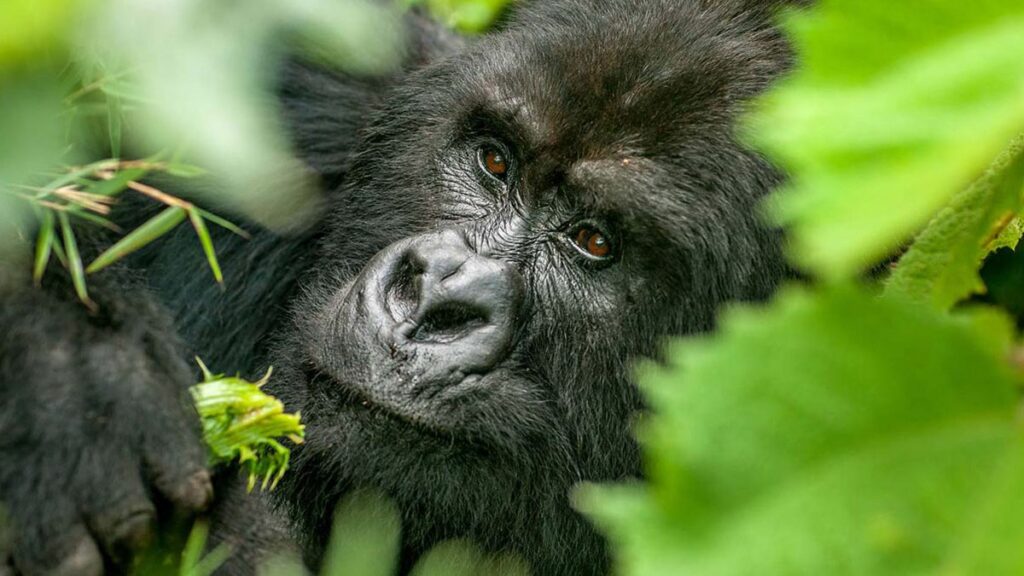
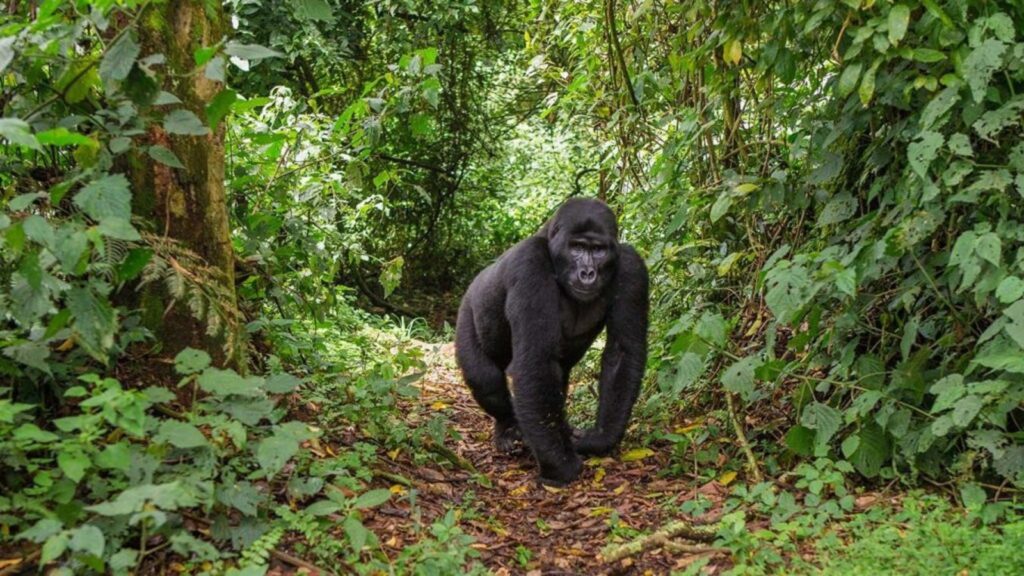
Gorilla trekking offers visitors the rare opportunity to observe endangered mountain gorillas in their natural habitats while directly contributing to conservation efforts. Unlike many wildlife tourism products that focus primarily on entertainment, gorilla trekking operates within a carefully managed conservation framework that balances visitor access with environmental protection.
As ecotourism continues evolving, gorilla trekking increasingly serves as a benchmark for responsible tourism development across Africa and beyond.
Understanding Ecotourism Principles
To understand the concept of gorilla trekking benchmark ecotourism, it is important to first examine the core principles of ecotourism. Genuine ecotourism seeks to minimize environmental impacts while generating benefits for conservation and local communities.
Successful ecotourism initiatives protect biodiversity, create economic opportunities for local populations, educate visitors about environmental issues, and encourage responsible travel practices. These principles guide many of the world’s leading wildlife tourism destinations.
Gorilla trekking aligns closely with these objectives. Wildlife authorities regulate visitor numbers, enforce conservation rules, support community development programs, and invest tourism revenue directly into wildlife protection.
This strong commitment to sustainability has helped establish gorilla trekking as a leading ecotourism model.
Gorilla Trekking as a Conservation Success Story
One reason the gorilla trekking benchmark ecotourism model receives global attention is its conservation success. Mountain gorillas once faced severe threats from poaching, habitat destruction, disease, and human encroachment.
Governments, conservation organizations, local communities, and tourism stakeholders collaborated to create a tourism model that could generate conservation funding while protecting wildlife populations. Revenue from gorilla permits now supports anti-poaching patrols, veterinary programs, habitat management, scientific research, and community projects.
Unlike many conservation efforts that rely heavily on donor funding, gorilla trekking generates substantial financial resources through tourism activity. This self-sustaining model has contributed significantly to the recovery of mountain gorilla populations.
The success of this approach continues inspiring conservation programs around the world.
Comparing Gorilla Trekking to Safari Tourism
Traditional wildlife safaris represent one of Africa’s most popular tourism products. Comparing safaris with the gorilla trekking benchmark ecotourism model reveals several important differences.
Game drives often involve larger visitor numbers and cover extensive wildlife viewing areas. Visitors may observe numerous animal species during a single safari. Gorilla trekking, by contrast, focuses on a single highly protected species and limits visitor access to small groups.
While both forms of tourism support conservation, gorilla trekking typically generates higher revenue per visitor because of permit fees and limited availability. This allows destinations to maintain strong conservation funding without relying on large tourist volumes.
The result is a tourism model that prioritizes quality over quantity while minimizing environmental pressure.
Comparing Gorilla Trekking to Whale Watching
Whale watching represents another globally recognized ecotourism activity often compared to the gorilla trekking benchmark ecotourism model. Both experiences provide opportunities to observe charismatic wildlife in natural environments while supporting conservation efforts.
However, whale watching often occurs in marine environments where regulating visitor interactions can be more challenging. Multiple vessels may operate simultaneously, increasing the potential for wildlife disturbance if management practices are inadequate.
Gorilla trekking operates under stricter controls. Wildlife authorities limit visitor numbers, enforce viewing distances, and carefully monitor interactions between tourists and gorillas. These regulations help reduce environmental impacts and protect animal welfare.
The highly controlled nature of gorilla tourism contributes significantly to its reputation as a leading ecotourism model.
Comparing Gorilla Trekking to Birdwatching Tourism
Birdwatching attracts millions of travelers worldwide and remains one of the largest ecotourism sectors. Comparing birdwatching with the gorilla trekking benchmark ecotourism framework highlights different approaches to nature-based tourism.
Birdwatching often involves large geographic areas and numerous species. Visitors may travel independently or participate in guided tours with varying levels of regulation. While birdwatching contributes to conservation, direct conservation funding per visitor can vary considerably between destinations.
Gorilla trekking generates substantial conservation revenue through mandatory permits. Every participant contributes directly to wildlife protection and habitat management. This clear link between tourism spending and conservation outcomes strengthens the economic sustainability of the gorilla tourism model.
Both experiences support conservation, but gorilla trekking often provides a more structured funding mechanism.
Community Benefits and Local Development
A key component of the gorilla trekking benchmark ecotourism model is its ability to generate benefits for local communities. Successful ecotourism should improve local livelihoods while encouraging environmental stewardship.
Communities surrounding gorilla habitats benefit through employment opportunities, tourism enterprises, revenue-sharing programs, and infrastructure development projects. Local residents work as guides, porters, hospitality staff, conservation personnel, and artisans.
Tourism income supports schools, health centers, water systems, and community development initiatives. These benefits create incentives for local participation in conservation efforts and strengthen relationships between communities and protected areas.
Many ecotourism destinations strive to achieve similar outcomes, but gorilla tourism provides one of the most visible examples of successful community engagement.
Economic Performance Compared to Other Ecotourism Activities
The economic strength of the gorilla trekking benchmark ecotourism model distinguishes it from many other forms of wildlife tourism. Gorilla trekking attracts travelers willing to pay premium prices for a rare and exclusive experience.
Permit fees, accommodation, transportation, and related tourism expenditures generate substantial revenue. Because visitor numbers remain limited, destinations can achieve strong economic returns without creating excessive environmental pressure.
Many ecotourism sectors depend on increasing visitor numbers to generate higher revenue. Gorilla tourism demonstrates that premium pricing and controlled access can create a more sustainable economic model.
This approach has attracted interest from conservation planners and tourism developers worldwide.
Environmental Sustainability and Visitor Management
Environmental sustainability remains one of the strongest aspects of the gorilla trekking benchmark ecotourism framework. Wildlife authorities maintain strict visitor management systems designed to protect gorillas and their habitats.
Daily visitor limits, designated trekking groups, health protocols, viewing regulations, and ranger supervision all contribute to responsible tourism management. These measures reduce environmental impacts while preserving the quality of visitor experiences.
Many tourism destinations struggle to balance growth with sustainability. Gorilla trekking demonstrates how careful planning and regulation can support both conservation and tourism objectives.
The model provides valuable lessons for other wildlife tourism sectors seeking sustainable growth.
Lessons for Global Ecotourism
The gorilla trekking benchmark ecotourism model offers important lessons for conservation and tourism initiatives worldwide. Its success demonstrates the importance of linking tourism revenue directly to conservation outcomes.
Effective visitor management, strong community engagement, premium pricing strategies, and long-term conservation investment all contribute to the model’s effectiveness. Destinations seeking to develop sustainable tourism programs can learn from these principles.
The success of gorilla tourism also highlights the value of protecting unique wildlife experiences. Travelers often pay premium prices when they understand that their spending contributes directly to conservation and community development.
These lessons continue influencing ecotourism planning around the world.
Future Outlook
The future of the gorilla trekking benchmark ecotourism model appears highly promising. Growing interest in sustainable travel, conservation tourism, and authentic wildlife experiences continues supporting demand for gorilla trekking.
At the same time, conservation organizations and tourism authorities remain committed to protecting mountain gorillas and maintaining high management standards. Continued investment in conservation, infrastructure, and community development will strengthen the industry’s long-term sustainability.
As global tourism increasingly emphasizes responsible travel, gorilla trekking will likely remain one of the world’s leading examples of successful ecotourism.
Its influence may continue shaping conservation tourism strategies for decades to come.
Conclusion
The gorilla trekking benchmark ecotourism model stands among the most successful examples of conservation-based tourism anywhere in the world. Through careful visitor management, strong conservation funding, meaningful community benefits, and premium wildlife experiences, gorilla tourism has established itself as a global leader in sustainable travel.
Compared with traditional safaris, whale watching, birdwatching, and other wildlife tourism activities, gorilla trekking demonstrates how limited visitor numbers can generate substantial conservation and economic benefits. The industry’s success offers valuable lessons for destinations seeking to balance tourism growth with environmental protection.
As demand for responsible travel continues increasing, gorilla trekking will remain an important benchmark for ecotourism development worldwide.