Gorilla Permit Resident Foreigner Price: Understanding Gorilla Permit Costs for Residents and Foreign Visitors
One of the most important factors that determines the cost of gorilla trekking in East and Central Africa is a visitor’s residency status. Travelers often notice that gorilla permit prices differ significantly depending on whether they are foreign tourists, foreign residents, or East African citizens. Understanding the gorilla permit resident foreigner price structure can help visitors budget accurately and choose the most suitable gorilla trekking destination.
Uganda, Rwanda, and the Democratic Republic of Congo all use permit pricing systems designed to balance conservation funding, tourism growth, and regional accessibility. While foreign tourists generally pay the highest rates, residents and East African citizens often benefit from reduced permit fees.
This guide explains how gorilla permit pricing works for different visitor categories and why these differences exist.
What Is a Gorilla Permit?
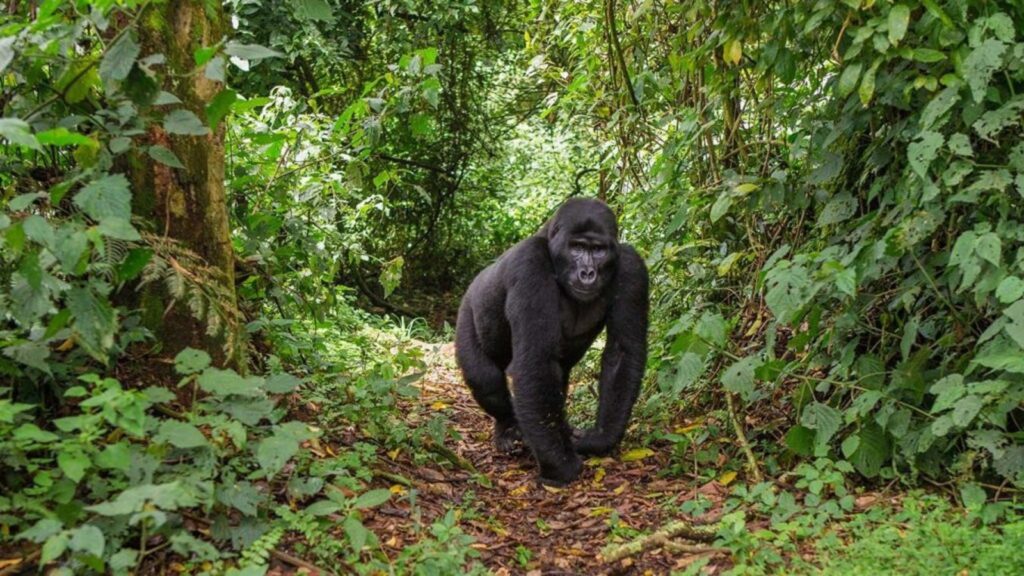
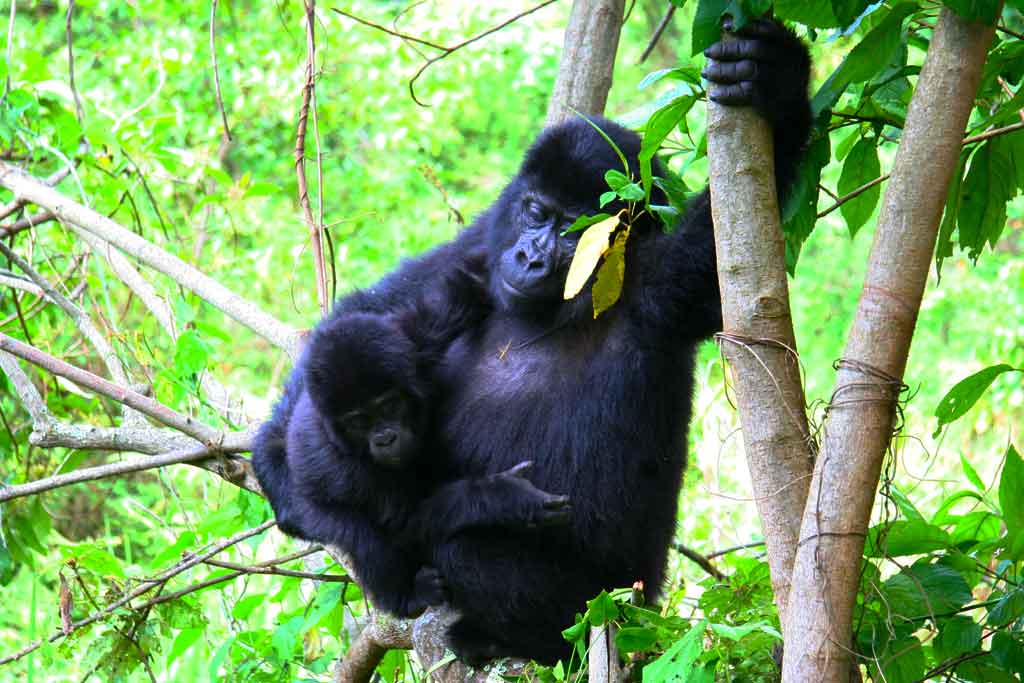
A gorilla permit is an official authorization that allows a visitor to participate in a gorilla trekking experience and spend one hour observing a habituated gorilla family in its natural habitat.
Permits are mandatory for anyone wishing to trek mountain gorillas in Uganda, Rwanda, or the Democratic Republic of Congo. The revenue generated from permit sales supports conservation programs, ranger patrols, habitat protection, veterinary care, community development projects, and tourism management.
Without the permit system, the long-term protection of mountain gorillas would be much more difficult to sustain.
Why Gorilla Permit Prices Differ
Many travelers wonder why two visitors participating in the same trek can pay different permit prices.
The answer lies in tourism policy and conservation financing. Governments and wildlife authorities often provide discounted rates to citizens and residents to encourage regional tourism and make conservation experiences more accessible to people living within the region.
Foreign visitors generally contribute a larger share of tourism revenue, which helps fund conservation activities and national park operations.
This pricing structure is common across many protected areas worldwide.
Understanding Gorilla Permit Visitor Categories
Most gorilla trekking destinations classify visitors into several categories.
Foreign Non-Residents
Foreign non-residents are international visitors who do not live in the country where the gorilla trekking activity takes place.
Tourists traveling from Europe, North America, Asia, Australia, and other international destinations generally fall into this category. Foreign non-residents usually pay the highest gorilla permit rates.
These permit fees contribute significantly to conservation funding and tourism development.
Foreign Residents
Foreign residents are non-citizens who legally reside in the country where the gorilla trekking activity occurs.
Individuals holding valid work permits, residence permits, or long-term visas often qualify for resident rates. Wildlife authorities usually require proof of residency during the booking process.
Foreign residents often enjoy substantial savings compared to foreign non-resident visitors.
East African Citizens
East African citizens typically receive the lowest permit rates.
This category generally includes citizens of countries that belong to the East African Community. Governments use these reduced rates to encourage local participation in conservation tourism and increase regional travel opportunities.
East African citizens must usually provide valid identification to access these discounted permit prices.
Gorilla Permit Resident Foreigner Price in Uganda
Uganda operates one of the most widely recognized gorilla permit pricing systems in Africa.
The Uganda Wildlife Authority offers different permit rates for foreign non-residents, foreign residents, and East African citizens.
Foreign non-residents pay the highest permit fee because international tourism serves as a major source of conservation funding. Foreign residents receive a reduced rate that recognizes their economic contribution to the country through residence and employment.
East African citizens enjoy the most affordable permit pricing, making gorilla trekking more accessible to regional travelers.
This tiered system has contributed significantly to Uganda’s conservation success.
Gorilla Permit Resident Foreigner Price in Rwanda
Rwanda also differentiates permit pricing according to visitor status.
The country’s premium tourism model places a strong emphasis on conservation and high-value tourism experiences. Foreign tourists typically pay the highest permit rates, while eligible residents may qualify for reduced pricing under specific circumstances.
Rwanda occasionally introduces special programs designed to encourage participation from regional visitors and conservation stakeholders.
Travelers should always verify current eligibility requirements before booking.
Gorilla Permit Resident Foreigner Price in Congo
The Democratic Republic of Congo generally offers some of the most affordable gorilla trekking permits in the region.
Permit pricing may vary according to tourism conditions, conservation programs, and park-specific regulations. As with neighboring destinations, pricing structures often distinguish between international visitors and local or regional travelers.
Travelers planning gorilla trekking in Congo should confirm the latest permit rates before making reservations.
Tourism policies may change over time depending on conservation and operational requirements.
Why Foreign Residents Receive Discounts
Many visitors ask why foreign residents pay less than international tourists.
Foreign residents contribute to the local economy throughout the year through employment, business activities, taxes, housing, and daily spending. Wildlife authorities recognize this contribution by offering reduced permit rates.
The resident category also encourages expatriates living within the region to participate in domestic tourism activities and conservation experiences.
This approach helps broaden support for wildlife conservation initiatives.
Documents Required to Qualify for Resident Rates
Visitors seeking resident pricing must typically provide proof of legal residency.
Acceptable documentation often includes work permits, residence permits, government-issued residency cards, or other official documents recognized by wildlife authorities.
Travelers should ensure that all documentation remains valid at the time of booking and during the trekking activity.
Failure to provide appropriate documentation may result in the requirement to pay the foreign non-resident rate.
Do Residents Receive the Same Gorilla Trekking Experience?
Yes.
Regardless of permit category, all visitors participate in the same gorilla trekking experience. Resident permits and foreign tourist permits provide identical access to habituated gorilla families.
Participants receive the same park briefing, guide services, ranger support, and one-hour gorilla viewing experience.
The difference lies only in pricing, not in the quality of the experience.
Why the Pricing System Supports Conservation
The gorilla permit resident foreigner price model serves several important conservation objectives.
Higher fees from international visitors generate essential funding for gorilla protection, habitat management, anti-poaching operations, veterinary programs, and community development projects. At the same time, discounted rates encourage local and regional participation in conservation tourism.
This balance helps create sustainable financial support for protected areas while expanding access to wildlife experiences.
The result benefits both conservation efforts and local communities.
Which Category Offers the Best Value?
The answer depends on a traveler’s circumstances.
Foreign residents often receive excellent value because they access the same trekking experience at a lower cost than international tourists. East African citizens benefit from the most affordable permit rates, making gorilla trekking accessible to a wider regional audience.
Foreign non-residents pay higher fees, but their contribution directly supports conservation programs that protect endangered mountain gorillas.
Each category plays an important role within the broader conservation model.
Planning Your Gorilla Trek According to Permit Category
Understanding your visitor classification before booking is essential.
Travelers should confirm their eligibility for resident or citizen pricing and prepare all required documentation in advance. Working with an experienced tour operator can help ensure the correct permit category is selected and prevent complications during the reservation process.
Early planning also increases the likelihood of securing preferred trekking dates.
Accurate classification simplifies the entire booking experience.
Conclusion
The gorilla permit resident foreigner price system reflects a carefully designed balance between conservation funding and tourism accessibility. Uganda, Rwanda, and Congo all use visitor categories that distinguish between foreign non-residents, foreign residents, and regional citizens.
While international tourists generally pay the highest permit fees, residents and East African citizens often benefit from discounted rates. Regardless of the category, every permit supports gorilla conservation, community development, and sustainable tourism initiatives.
Understanding these pricing differences allows travelers to budget effectively while appreciating the important role permit revenue plays in protecting one of the world’s most remarkable wildlife species.