Complete Guide to Gorilla Permit Prices in 2026: Uganda vs Rwanda vs DRC
Gorilla trekking stands as one of Africa’s most exclusive wildlife experiences. Travelers do not simply visit a park; they secure a regulated permit that grants access to endangered mountain gorillas in their natural habitat. In 2026, permit pricing continues to shape travel decisions across East and Central Africa. This guide breaks down the gorilla permit cost 2026, compares Uganda, Rwanda, and the Democratic Republic of Congo (DRC), and explains what each destination offers in real safari terms.
Understanding Gorilla Permit Pricing
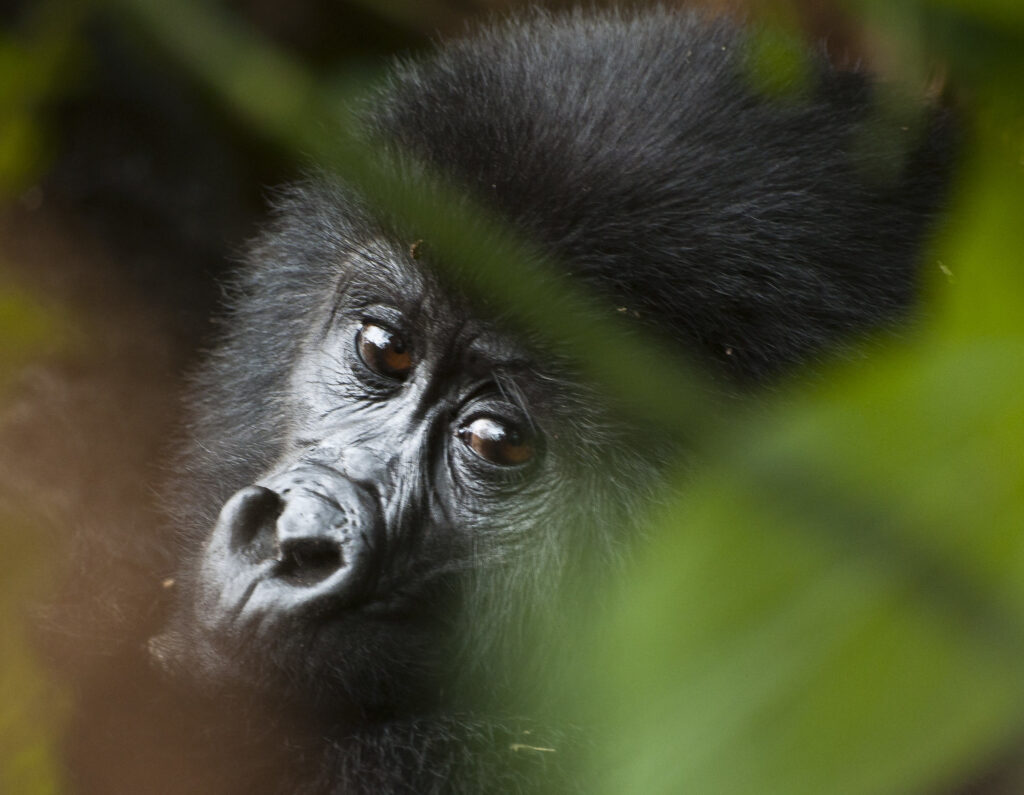
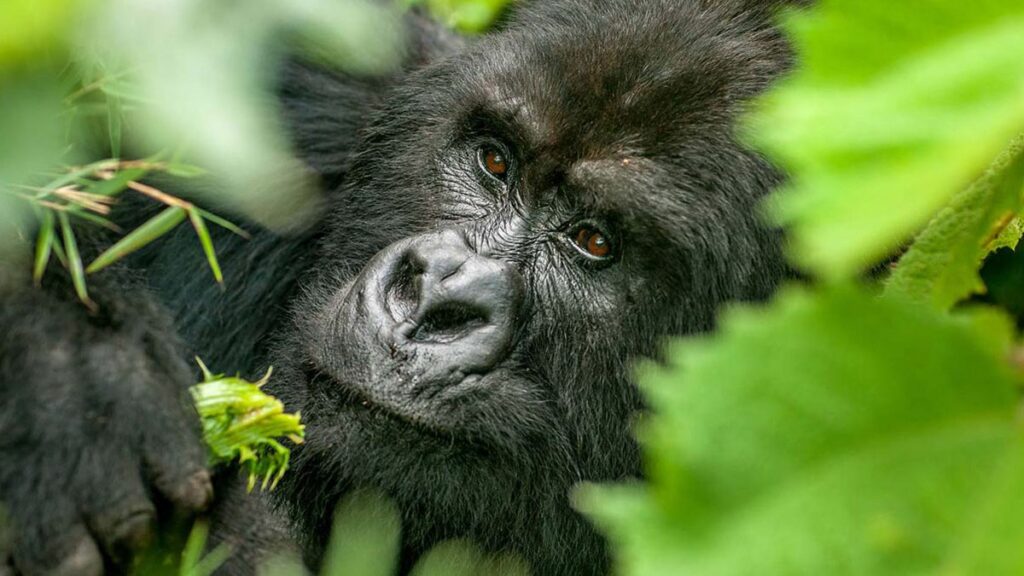
Gorilla permits are not just entry tickets. They fund conservation, protect habitats, and support local communities living around national parks. Each permit allows one hour with a habituated gorilla family under strict guidelines. Authorities limit the number of daily permits, which keeps the experience exclusive and protects gorillas from stress and disease.
When you pay for a permit, you directly support ranger patrols, anti-poaching efforts, veterinary care, and community development programs. This structure explains why the gorilla permit cost 2026 remains high but justified.
Gorilla Permit Cost 2026 by Country
Uganda Gorilla Permit Cost 2026
Uganda offers one of the most balanced gorilla trekking experiences in Africa. The Uganda Wildlife Authority (UWA) manages permits across Bwindi Impenetrable National Park and Mgahinga Gorilla National Park.
In 2026, a standard gorilla trekking permit costs USD 800 per person. This rate applies to foreign non-residents. Residents and East African citizens pay lower rates under a tiered pricing system.
Uganda also offers a unique experience called gorilla habituation. This activity allows up to four hours with a semi-habituated gorilla group. The habituation permit costs USD 1,500 per person in 2026.
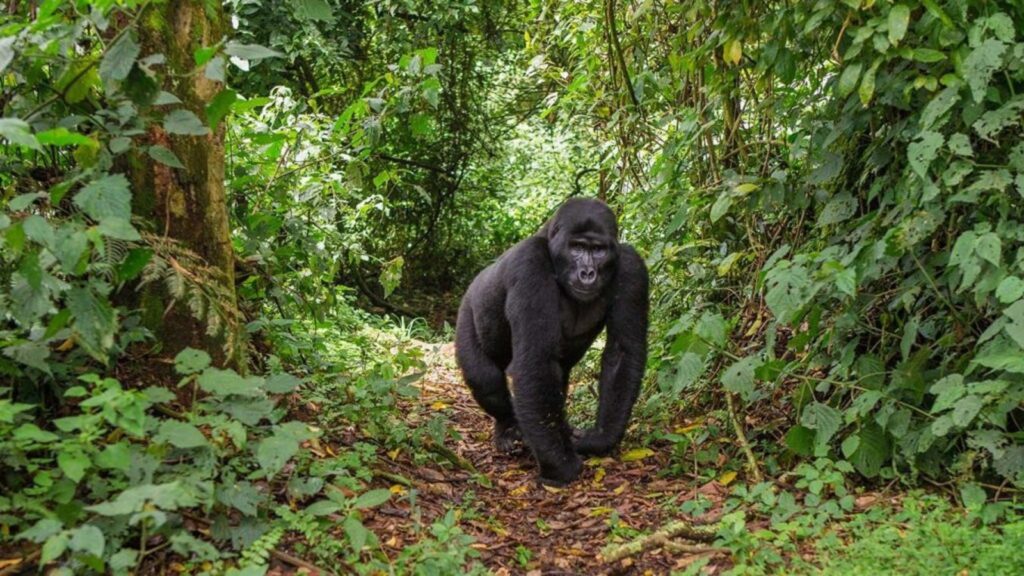
Uganda delivers strong value. You access dense rainforest, varied trekking sectors, and a higher number of gorilla families. The terrain can feel challenging, but the diversity of landscapes and wildlife enhances the experience.
Rwanda Gorilla Permit Cost 2026
Rwanda positions itself as a premium gorilla trekking destination. The Rwanda Development Board (RDB) manages permits in Volcanoes National Park, part of the Virunga Massif.
In 2026, the standard gorilla permit costs USD 1,500 per person. This price reflects Rwanda’s luxury positioning, conservation investment, and streamlined tourism model.
Rwanda also offers promotional pricing under specific conditions. These discounts often apply to travelers who combine gorilla trekking with other national parks like Akagera or Nyungwe. However, peak months from June to October usually maintain full pricing.
Rwanda’s key advantage lies in accessibility. Travelers can reach Volcanoes National Park within 2–3 hours from Kigali International Airport. The terrain features bamboo forests and open slopes, which often make trekking less demanding compared to Uganda.
DRC Gorilla Permit Cost 2026
The Democratic Republic of Congo offers the most affordable gorilla trekking permits. Virunga National Park hosts mountain gorillas, while Kahuzi-Biega National Park offers eastern lowland gorillas.
In 2026, a gorilla permit in Virunga National Park costs approximately USD 400–500 per person, depending on the season and operational status.
The DRC delivers a raw and adventurous experience. Visitor numbers remain low, which creates a more private encounter with gorillas. However, travelers must consider security conditions, infrastructure limitations, and travel logistics before booking.
What Influences Gorilla Permit Cost in 2026
Conservation Investment
Each country invests differently in conservation. Rwanda channels heavy funding into park protection, tourism infrastructure, and branding. This approach drives higher permit prices. Uganda balances conservation with accessibility, while the DRC maintains lower pricing to attract tourism growth.
Tourism Strategy
Rwanda focuses on high-end, low-volume tourism. Uganda targets midrange and luxury travelers, which creates flexibility in pricing. The DRC uses affordability to attract adventurous travelers willing to explore less-developed regions.
Accessibility and Infrastructure
Rwanda’s proximity to Kigali reduces travel time and cost. Uganda requires longer transfers from Entebbe or regional airstrips. The DRC often involves more complex logistics, including charter flights and security coordination.
Demand and Availability
Gorilla permits sell out months in advance, especially during peak seasons. Rwanda experiences the highest demand due to its accessibility and luxury appeal. Uganda offers more permit availability across multiple sectors, while the DRC remains less crowded.
Uganda vs Rwanda vs DRC: Real Experience Comparison
Trekking Experience
Uganda offers dense jungle trekking with varied terrain. You move through thick vegetation, steep slopes, and deep valleys. Rwanda provides a more open trekking environment with shorter hiking times in many cases. The DRC delivers a wild and less structured experience with fewer crowds.
Gorilla Family Diversity
Uganda hosts the highest number of habituated gorilla families. This increases your chances of securing permits even during peak seasons. Rwanda has fewer families but maintains strict management. The DRC offers unique encounters with both mountain and eastern lowland gorillas.
Travel Convenience
Rwanda ranks highest for convenience. You can land in Kigali and reach the park on the same day. Uganda requires longer travel, though domestic flights reduce road time. The DRC demands careful planning due to limited infrastructure.
Overall Value
Uganda provides the best balance between cost and experience. Rwanda delivers premium comfort and ease. The DRC offers the lowest price but requires flexibility and risk awareness.
Additional Costs Beyond Gorilla Permits
Travelers should not focus only on the gorilla permit cost 2026. A complete safari includes several additional expenses.
Accommodation ranges from midrange lodges to high-end luxury camps near trekking sectors. Transport includes 4×4 vehicles, fuel, and sometimes domestic flights. Guides, park fees, and meals also add to the total cost.
A typical gorilla safari package can range from USD 1,500 to over USD 5,000, depending on destination, duration, and accommodation level.
Best Time to Book Gorilla Permits in 2026
Gorilla trekking operates year-round, but demand peaks during dry seasons. These periods run from June to September and December to February. Trails stay drier, which improves trekking conditions.
You should book permits at least 3 to 6 months in advance. Rwanda permits often sell out faster due to limited availability. Uganda provides more flexibility, especially in less busy sectors like Rushaga and Nkuringo.
How to Secure Gorilla Permits
Travelers can book permits directly through wildlife authorities or through a licensed tour operator. Most travelers choose operators because they handle logistics, secure permits, and organize the full safari.
Tour operators also advise on the best trekking sectors, lodge options, and travel routes. This guidance helps you avoid common planning mistakes.
Choosing the Right Destination for Your Budget
Budget-Conscious Travelers
Uganda and the DRC offer the most affordable options. Uganda provides better infrastructure and security, which makes it the safer choice for budget-conscious travelers.
Luxury Travelers
Rwanda leads in luxury gorilla trekking. High-end lodges, short travel times, and premium service create a seamless experience.
Adventure Seekers
The DRC attracts travelers who want a raw and less commercialized safari. This destination suits experienced explorers who value exclusivity over convenience.
Conservation Impact of Gorilla Permits
Every permit contributes directly to gorilla survival. Mountain gorilla populations have grown due to strong conservation efforts funded by tourism. Rangers protect habitats, veterinarians treat injured gorillas, and communities benefit from revenue-sharing programs.
When you pay the gorilla permit cost 2026, you support one of Africa’s most successful conservation stories.
Planning Your Gorilla Trekking Safari
A successful gorilla safari depends on timing, preparation, and the right destination choice. You should consider fitness level, travel time, budget, and overall safari goals.
Combine gorilla trekking with other experiences to maximize your trip. Popular add-ons include chimpanzee tracking in Kibale Forest, wildlife safaris in Queen Elizabeth National Park, and Big Five experiences in Akagera or Murchison Falls.
Conclusion
The gorilla permit cost 2026 varies significantly across Uganda, Rwanda, and the DRC. Each destination offers a distinct experience shaped by conservation strategy, accessibility, and tourism focus.
Uganda delivers strong value and diversity. Rwanda offers premium access and comfort. The DRC provides affordability and adventure. Your choice should align with your budget, travel style, and expectations.
Gorilla trekking remains one of the most powerful wildlife encounters in the world. With proper planning, you can turn this once-in-a-lifetime experience into a well-structured and rewarding African safari.