Gorilla Permit Concession Holders: Understanding Gorilla Trekking Permit Distribution and Authorized Sales Channels
Gorilla trekking permits are among the most valuable wildlife tourism permits in Africa. Because mountain gorilla tourism is tightly regulated, travelers often seek information about who is authorized to sell, distribute, or manage permits. This has led to increasing interest in topics related to gorilla permit concession holders, permit allocation systems, and official booking channels.
A gorilla trekking permit grants visitors the right to participate in a regulated gorilla trek within designated protected areas. Since the number of permits available each day is limited by conservation requirements, wildlife authorities carefully manage permit distribution to ensure transparency, accountability, and sustainable tourism practices.
Unlike some tourism sectors where private concessionaires directly control visitor access, gorilla permit management is generally handled by government wildlife authorities. However, licensed tour operators, authorized travel companies, and official reservation partners often play an important role in facilitating permit purchases on behalf of travelers.
Understanding how permit distribution works and who is authorized to handle bookings can help travelers avoid scams, secure genuine permits, and plan their gorilla safari with confidence.
What Are Gorilla Permit Concession Holders?
The term “gorilla permit concession holders” can refer to organizations or businesses that have authorization to facilitate the sale, reservation, or management of gorilla trekking permits under arrangements established by wildlife authorities.
In practice, mountain gorilla permits are primarily controlled by the government agencies responsible for managing protected areas and wildlife conservation. These agencies maintain authority over permit inventories, pricing, visitor limits, and allocation procedures.
Tour operators and travel agencies generally do not own gorilla permits. Instead, they reserve permits through official systems and arrange trekking experiences for their clients. In this sense, they act as authorized booking intermediaries rather than true concession holders with independent control over permit allocations.
Understanding this distinction helps clarify how permits are distributed and who ultimately controls access to gorilla trekking activities.
Who Controls Gorilla Permit Allocation?
The management of gorilla permits remains the responsibility of wildlife authorities in each country where mountain gorilla trekking takes place. These organizations determine permit prices, establish visitor limits, allocate permits, and oversee conservation regulations.
The permit allocation process is designed to support conservation objectives while ensuring fair access for visitors. Wildlife authorities maintain official records of permit availability and regulate the number of visitors assigned to each habituated gorilla family.
Although tourism operators play an important role in organizing safari experiences, they do not independently determine permit availability. All permit reservations ultimately depend on allocations made through official wildlife management systems.
This centralized approach helps maintain transparency and ensures that conservation priorities remain at the center of permit management.
Authorized Gorilla Permit Sales Channels
When discussing gorilla permit concession holders, it is important to understand the official channels through which permits are sold and distributed. Most travelers obtain permits through one of several recognized methods.
The first option is booking directly through the responsible wildlife authority. This approach allows visitors to purchase permits directly from the organization that manages the national parks.
The second option involves licensed and reputable tour operators. These companies reserve permits through official channels and package them with accommodation, transportation, guiding services, and other safari components.
A third option may involve approved travel agents or destination management companies that work closely with wildlife authorities and tourism operators.
Regardless of the booking method, genuine permits originate from the official wildlife authority responsible for permit management.
Gorilla Permit Distribution in Uganda
Uganda operates one of the largest gorilla trekking programs in Africa. Gorilla permits are managed through the national wildlife authority responsible for overseeing the country’s protected areas and wildlife resources.
Permits for gorilla trekking in Uganda are allocated for visits to gorilla families within Bwindi Impenetrable National Park and Mgahinga Gorilla National Park. Authorized tour operators reserve permits through official systems and provide them to travelers as part of safari packages.
Because Uganda offers a relatively large number of permits compared to other destinations, many tour companies maintain active relationships with permit reservation offices. This allows them to monitor availability and assist clients in securing permits efficiently.
Despite this involvement, control of permit inventories remains with the wildlife authority rather than private operators.
Gorilla Permit Distribution in Rwanda
Rwanda manages gorilla permits through the government institutions responsible for tourism and protected area management. The country’s permit system is known for its structured administration and strong emphasis on conservation.
Tour operators, travel agencies, and safari companies frequently assist visitors in obtaining permits. However, permits themselves remain under the control of official authorities.
The high demand for gorilla trekking in Rwanda often leads travelers to seek information about gorilla permit concession holders in the hope of gaining preferred access. In reality, all legitimate permits must pass through the official allocation process regardless of the booking channel used.
Early booking remains the most reliable way to secure permits during popular travel periods.
The Role of Licensed Tour Operators
Licensed tour operators serve as an important link between travelers and wildlife authorities. Although they are not typically concession holders in the traditional sense, they perform several essential functions within the permit distribution system.
Tour operators help clients check permit availability, reserve permits, process payments, coordinate itineraries, and provide logistical support. They also assist travelers with accommodation reservations, transportation arrangements, and safari planning.
Experienced operators often monitor permit inventories closely and can advise clients regarding alternative dates or trekking sectors when preferred options are unavailable.
Their expertise simplifies the booking process and helps visitors navigate the permit system more efficiently.
Why Travelers Should Use Authorized Booking Sources
Because gorilla permits are valuable and limited, unauthorized sellers occasionally attempt to exploit travelers. One of the most important reasons to understand the concept of gorilla permit concession holders is to avoid fraudulent transactions.
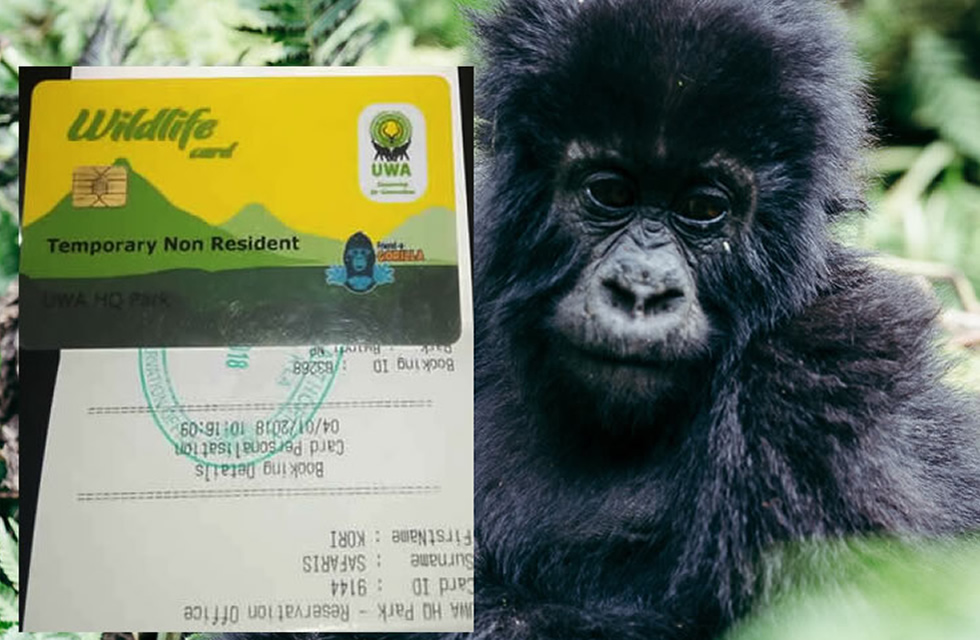
Visitors should always verify that tour operators are licensed and that permits originate from official wildlife authority systems. Genuine permits include official documentation and confirmation procedures that can be verified through authorized channels.
Working with reputable operators helps reduce the risk of scams, booking errors, and permit-related complications. Travelers should be cautious of unusually low prices or offers that appear inconsistent with official permit costs.
Protecting yourself from fraud begins with using recognized and authorized booking sources.
Transparency and Accountability in Permit Distribution
Modern permit management systems emphasize transparency and accountability. Wildlife authorities maintain detailed records of permit allocations, reservations, payments, and visitor information.
Digital reservation platforms and electronic recordkeeping have improved oversight and reduced opportunities for misconduct within the permit allocation process. These systems help ensure that permits are distributed according to established conservation guidelines.
Transparency is particularly important because gorilla tourism generates significant revenue that supports conservation programs, community development projects, and park management activities.
Strong governance systems help maintain public trust while protecting the integrity of gorilla tourism.
Gorilla Parks Covered by Official Permit Systems
Uganda’s Bwindi Impenetrable National Park operates under a permit management framework that allocates visitor access to multiple habituated gorilla families. Authorized tour operators assist visitors with reservations while the wildlife authority maintains overall control.
Mgahinga Gorilla National Park follows similar procedures, ensuring that permit distribution aligns with conservation objectives and visitor management requirements.
In Rwanda, Volcanoes National Park uses a structured permit allocation system administered through official government channels. Tour operators facilitate bookings, but permit authority remains centralized.
These parks demonstrate how effective permit management supports both tourism growth and wildlife conservation.
Conclusion
The concept of gorilla permit concession holders is often misunderstood within the gorilla tourism industry. While licensed tour operators and travel companies play an important role in facilitating permit bookings, control of gorilla permits generally remains with official wildlife authorities responsible for conservation and park management.
Visitors planning gorilla trekking safaris should rely on authorized booking channels, reputable operators, and official permit systems to secure genuine permits and avoid fraudulent transactions. Understanding how permits are distributed helps travelers make informed decisions and appreciate the conservation principles behind gorilla tourism.
Protected areas such as Bwindi Impenetrable National Park, Mgahinga Gorilla National Park, and Volcanoes National Park continue to demonstrate how transparent permit management can successfully balance tourism demand with the long-term protection of endangered mountain gorillas.